AI Tools for Cleaning Coordination
• Updated
Keeping your kitchen clean doesn’t have to be a constant struggle. AI tools now simplify cleaning by automating tasks, scheduling chores, and even tracking hygiene.
Here’s how AI is transforming kitchen cleaning:
- Automated Cleaning: AI-powered dishwashers and robotic cleaners handle dishes, floors, and surfaces efficiently.
- Smart Scheduling: AI creates flexible cleaning schedules based on your household’s habits, ensuring tasks are done at the right time.
- Hygiene Tracking: Advanced systems monitor cleaning effectiveness and alert you when maintenance is needed.
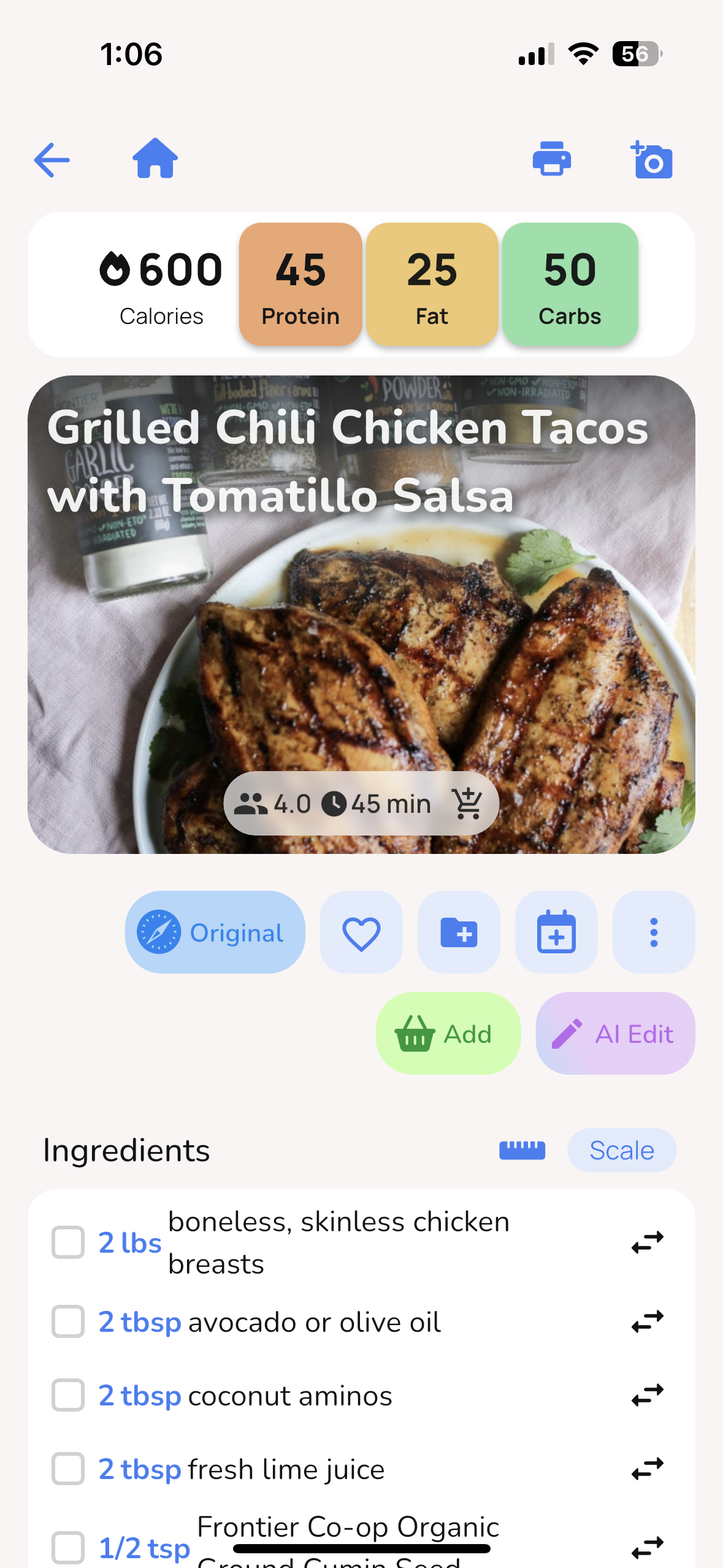
- Integrated Meal Planning: Tools like Honeydew Recipe Manager combine meal prep with post-meal cleanup, reducing stress.
- Pantry Management: AI helps organize ingredients, prevents waste, and minimizes cleanup after spills.
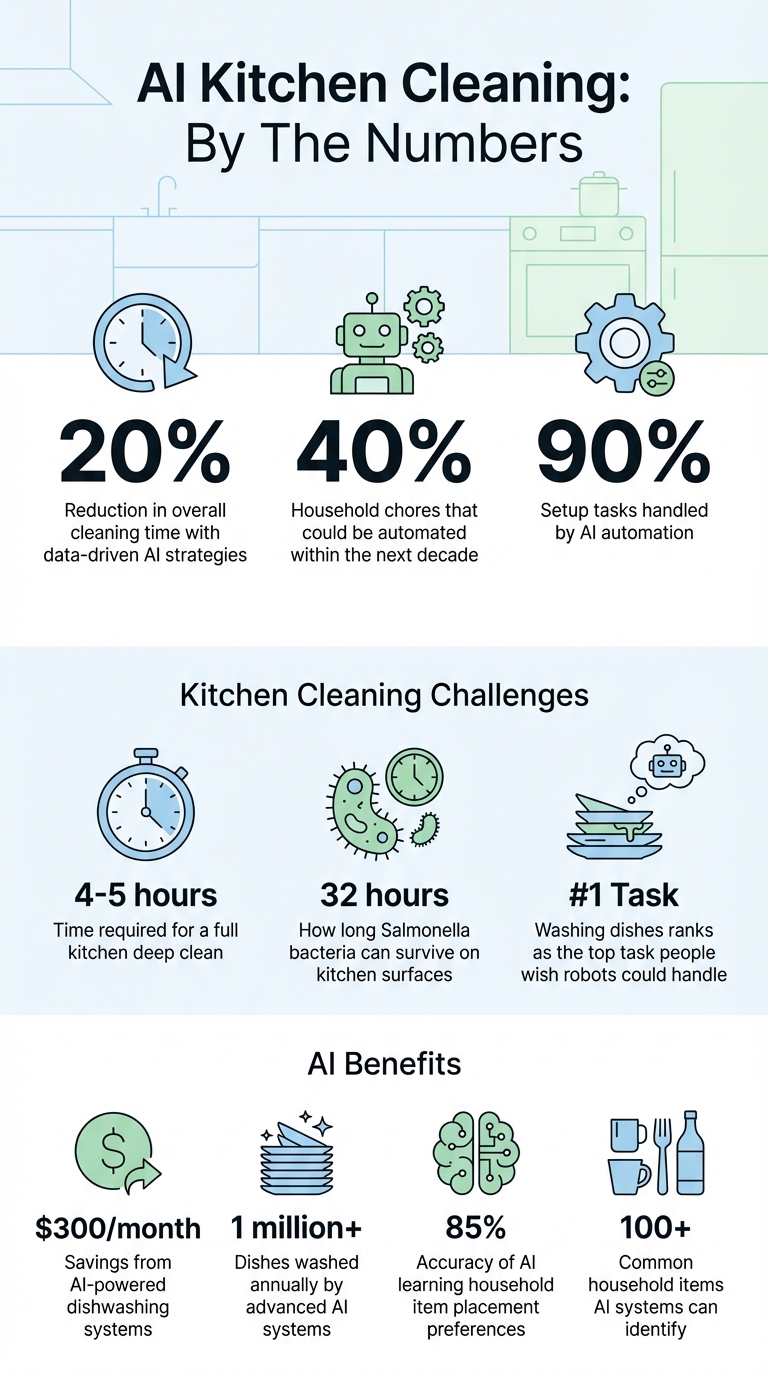
AI tools can reduce cleaning time by up to 20%, save money, and make chores less overwhelming. Whether it’s tackling high-traffic areas or managing deep-cleaning tasks, these systems help keep your kitchen running smoothly.
AI Kitchen Cleaning Statistics: Time Savings and Automation Benefits
Common Kitchen Cleaning Challenges
Time-Consuming Cleaning Tasks
Cleaning the kitchen can feel like a never-ending chore. Washing dishes consistently ranks among the top tasks people wish a robot could take over. And it’s not just the dishes - countertops, sinks, and high-traffic floors need constant attention. When it comes to deep cleaning, the time commitment skyrockets. A full kitchen deep clean can take 4 to 5 hours or more.
Then there are the smaller, high-touch areas like cabinet knobs, fridge handles, and light switches. These spots collect grime and bacteria quickly, yet they’re easy to overlook. Tackling bigger jobs - like scrubbing the oven, emptying and cleaning the fridge and freezer, or reorganizing the pantry - requires blocks of time that most people struggle to find. It’s not about a lack of care; it’s about juggling priorities. And even when time is carved out, achieving deep hygiene presents its own set of challenges.
Maintaining Consistent Hygiene
A truly clean kitchen isn’t just about appearances. Hidden contaminants often linger in corners, under appliances, or in places we don’t think to check. As Allen Rathey, Educator and Founder of the Indoor Health Council, explains:
"Our cleaning, because company is coming over in 15 minutes, is a different scope of work than if we clean to prevent our kids from getting the flu".
That quick wipe-down before guests arrive? It won’t address the invisible risks that can lead to illness. For instance, Salmonella bacteria can survive on kitchen surfaces for up to 32 hours, making regular and thorough sanitization essential.
Traditional cleaning methods often waste time and resources on routine scrubbing instead of targeting problem areas. Data-driven strategies can help focus efforts where they matter most, cutting overall cleaning time by up to 20%. On top of that, managing equipment like refrigerators adds another layer of responsibility. Food safety depends on maintaining proper temperatures, yet most households rely on memory rather than consistent monitoring.
Coordinating Cleaning Efforts
Getting everyone in a household to share cleaning duties smoothly is another hurdle. Families often juggle paper checklists, shared spreadsheets, or apps to track chores. Tasks like descaling the coffee maker or wiping down baseboards can easily slip through the cracks.
As Alicia Sokolowski, President and Co-CEO of AspenClean, puts it:
"Starting the week with a clean kitchen helps to set a positive mindset and ensures a clean and hygienic food preparation area."
But achieving that reset is easier said than done. Kitchens tend to hit peak messiness after the weekend, making Mondays a prime time for intensive cleaning. Coordinating this effort, however, isn’t simple when the household is also managing work, school, and other commitments. The old routine of “vacuum every Saturday” doesn’t account for the reality of high-traffic areas needing attention based on actual use. Without a flexible system that adapts to changing needs, cleaning can feel like an uphill battle. These challenges highlight the potential for AI-driven tools to simplify both cleaning and meal prep.
How AI Tools Solve Kitchen Cleaning Problems
AI-Driven Dishwashing and Surface Cleaning
AI has made kitchen cleaning much easier, especially with dishwashing and surface cleaning. Modern systems like Armstrong handle the entire dishwashing process - scraping, scrubbing, rinsing, drying, and even stacking. These machines are incredibly efficient, washing over 1 million dishes annually and saving households up to $300 each month.
For surface cleaning, AI-powered robots are equipped with sensors that can detect floor types and identify liquid stains in real time. They adjust their cleaning methods - whether sweeping, scrubbing, vacuuming, or mopping - based on the level of dirt detected. For instance, the PUDU CC1 Pro uses a rear-facing camera to ensure surfaces are spotless through a closed-loop system. Meanwhile, advanced models like the Roborock Saros Z70 come with five-axis robotic arms capable of removing small obstacles, such as dish towels, to clean areas that would otherwise remain untouched.
Smart Scheduling and Task Delegation
AI doesn’t just automate cleaning - it also optimizes when and how cleaning tasks are performed. By analyzing usage patterns, such as counters getting messy after dinner or floors becoming dirty during breakfast prep, AI creates schedules that adapt to your household's routines. This ensures cleaning happens at the right time, reducing unnecessary effort and improving coordination in busy homes.
Large Language Models contribute by generating task lists for often-overlooked chores, like descaling coffee makers or deep-cleaning microwaves. These tools also divide tasks among household members, taking factors like age and availability into account. For example, they might schedule quick 15-minute cleaning sessions and sync tasks with smart devices, allowing a robot vacuum to clean the kitchen floor right after dinner.
Real-Time Monitoring and Hygiene Tracking
AI doesn’t stop at scheduling - it also ensures tasks are done effectively. Advanced navigation systems, using 3D Time of Flight technology and RGB cameras, can identify over 100 common household items, including potentially dangerous objects like scissors, to ensure safe operation. These systems also monitor their own performance, tracking the condition of brushes and filters through app dashboards. When accessories need replacement, users are alerted to maintain peak sanitization levels.
Some systems, like TidyBot, take personalization a step further by learning your household’s preferences. They can determine where specific items belong with about 85% accuracy, adapting to your unique cleaning habits and hygiene standards. This level of customization ensures that your kitchen stays clean and organized in a way that fits your lifestyle.
Integrating AI with Meal Planning Apps
From Cooking to Cleaning
The gap between preparing meals and tackling the cleanup has long been a challenge in kitchen management. Honeydew Recipe Manager bridges this divide by combining cooking and cleaning workflows. It imports recipes, creates detailed grocery lists, and even schedules cleaning tasks. By mapping out weekly meals on the app's calendar, it automatically assigns post-meal cleaning duties, making the process more streamlined.
GE Appliances' SmartHQ platform offers a real-world example of how AI can simplify these tasks. Shawn Stover, Executive Director of SmartHome and Energy Solutions at GE Appliances, describes the platform's approach:
"By integrating AI into our SmartHQ platform, we're streamlining daily tasks in ways that feel natural and effortless – like having a helpful friend in your home with time-tested advice".
The platform connects the dots between brewing coffee, cooking meals, and cleaning up, all while providing appliance care tips and maintenance advice. This kind of integration extends to pantry management, linking meal prep with cleanup in a way that feels seamless.
Smart Pantry and Ingredient Management
AI-powered pantry management takes the stress out of kitchen organization while cutting down on waste. Honeydew Recipe Manager includes a search-by-ingredient feature, making it easy to plan meals using what you already have on hand. This ensures ingredients are used before they spoil, reducing food waste and minimizing the hassle of cleaning up expired items or spills. Honeydew even suggests alternatives, like one-pot meal options, which can help reduce the number of dishes and appliances you’ll need to clean.
By keeping your pantry organized and reducing waste, a smart pantry setup not only saves time but also simplifies post-meal cleanup. It’s a small change that can make a big difference in keeping your kitchen manageable.
Scheduling AI Cleaning Tasks After Meals
One of AI’s strongest suits is its ability to automate tasks, and cleaning schedules are no exception. When you finish a recipe using Honeydew, AI assistants can assign cleaning tasks that fit naturally into your routine. Research shows that up to 40% of household chores could soon be automated. Spencer Lanoue, Product Builder at Bricks, highlights the value of a well-structured cleaning schedule:
"A well-organized cleaning schedule can transform home maintenance from a chaotic chore into a manageable routine".
This kind of automation is a logical extension of Honeydew’s meal planning features. By reducing the mental effort of managing cleaning tasks, it lets you focus on enjoying your meals instead of worrying about the mess that follows. AI truly makes cleaning feel less like a chore and more like a natural part of the process.
The Dishwashing Robot Taking Over America’s Kitchens!
Conclusion
AI tools are changing the way we tackle kitchen cleaning, turning what used to be chaotic routines into efficient, targeted workflows. Instead of wasting time cleaning areas that are already spotless, these tools focus on high-traffic zones - like wiping down counters after meal prep or cleaning floors after a busy cooking session. Studies suggest that using data-driven cleaning schedules can cut overall housekeeping time by up to 20%, giving you back hours each week.
Honeydew Recipe Manager takes this efficiency a step further by combining cooking and cleaning into one seamless process. It imports recipes, generates grocery lists, and even schedules post-meal cleanup. This integration removes the mental strain of figuring out what needs to be done and when. Plus, with household sharing for up to six members, everyone can stay on the same page with meal planning and cleaning tasks, making teamwork a breeze.
AI automation handles up to 90% of the setup, learning your household’s habits, predicting when appliances need maintenance, and delegating age-appropriate chores. This makes the daily grind of cleaning feel far more manageable.
Honeydew’s smart pantry management reduces waste and clutter, while its Instacart integration simplifies grocery shopping by syncing with your ingredient list.
With projections showing that 40% of household chores could be automated within the next decade, AI-powered tools like these are paving the way for cleaner, more efficient kitchens - letting you focus on enjoying your meals without stressing over the mess.
FAQs
How can AI tools help keep my kitchen clean and hygienic?
AI tools simplify maintaining a clean and safe kitchen by automating key tasks and keeping tabs on critical factors like temperature, humidity, and air quality. For example, these systems can spot problems - like a refrigerator running at unsafe temperatures - and send you alerts so you can act fast to prevent food from spoiling or becoming unsafe to eat.
Beyond monitoring, AI-powered automation handles repetitive cleaning tasks, delivering consistent results while saving time and cutting down on utility expenses. Some systems even use predictive analytics to flag potential equipment issues before they turn into bigger problems, allowing you to address them early and avoid any hygiene risks. These tools make it easier to keep kitchens running smoothly, even when things get hectic or staffing is tight.
Can AI tools create personalized cleaning schedules for your home?
AI tools are capable of creating customized cleaning schedules that align perfectly with your household's specific needs. By examining details such as your daily habits, cleaning preferences, and any unique challenges in your home, these tools can develop practical plans that integrate smoothly into your routine. They can also handle tasks like setting reminders, organizing priorities, and adjusting schedules as your circumstances evolve, making it easier to stay on top of home maintenance without the stress.
How can AI help streamline meal planning and kitchen cleaning?
AI takes the hassle out of meal planning and kitchen cleaning by handling tasks automatically and seamlessly. It can set up cleaning schedules that sync perfectly with your cooking habits, making it easier to keep your kitchen spotless without lifting a finger.
On top of that, AI helps manage your pantry like a pro. By keeping track of ingredients, it minimizes waste and ensures everything is neatly organized. This way, you can focus on cooking without worrying about clutter or running out of essentials.