AI Vegan Swap: Best Plant-Based Substitutes
• Updated
Finding the right plant-based substitutes for eggs, butter, or milk doesn’t have to be a guessing game anymore. AI tools now analyze ingredients, recipes, and reviews to recommend precise swaps tailored to your needs. Whether you’re baking muffins or creating creamy sauces, here’s a quick guide to the most effective vegan alternatives:
-
Egg Substitutes:
- Aquafaba: Great for meringues or binding (3 tbsp = 1 egg).
- Flax/Chia Eggs: Perfect for muffins or cookies (1 tbsp ground seeds + 3 tbsp water).
- Mashed Banana, Applesauce, or Pumpkin: Adds moisture to quick breads or brownies (¼ cup = 1 egg).
- Silken Tofu: Works in dense recipes like brownies (¼ cup = 1 egg).
- Starch Slurries: Budget-friendly for binding in cookies or burgers (1 tbsp starch + 3 tbsp water).
-
Dairy Alternatives:
- Plant Milks: Oat, soy, or almond milk replace dairy 1:1.
- Vegan Butter or Coconut Oil: Swap 1:1 for butter in baking. Refined coconut oil avoids coconut flavor.
- Plant-Based Yogurts: Use 1:1 for dressings, sauces, or baking. Soy yogurt offers high protein.
-
Sweeteners:
- Maple Syrup or Agave: Replace honey 1:1. Adjust liquids slightly for baking.
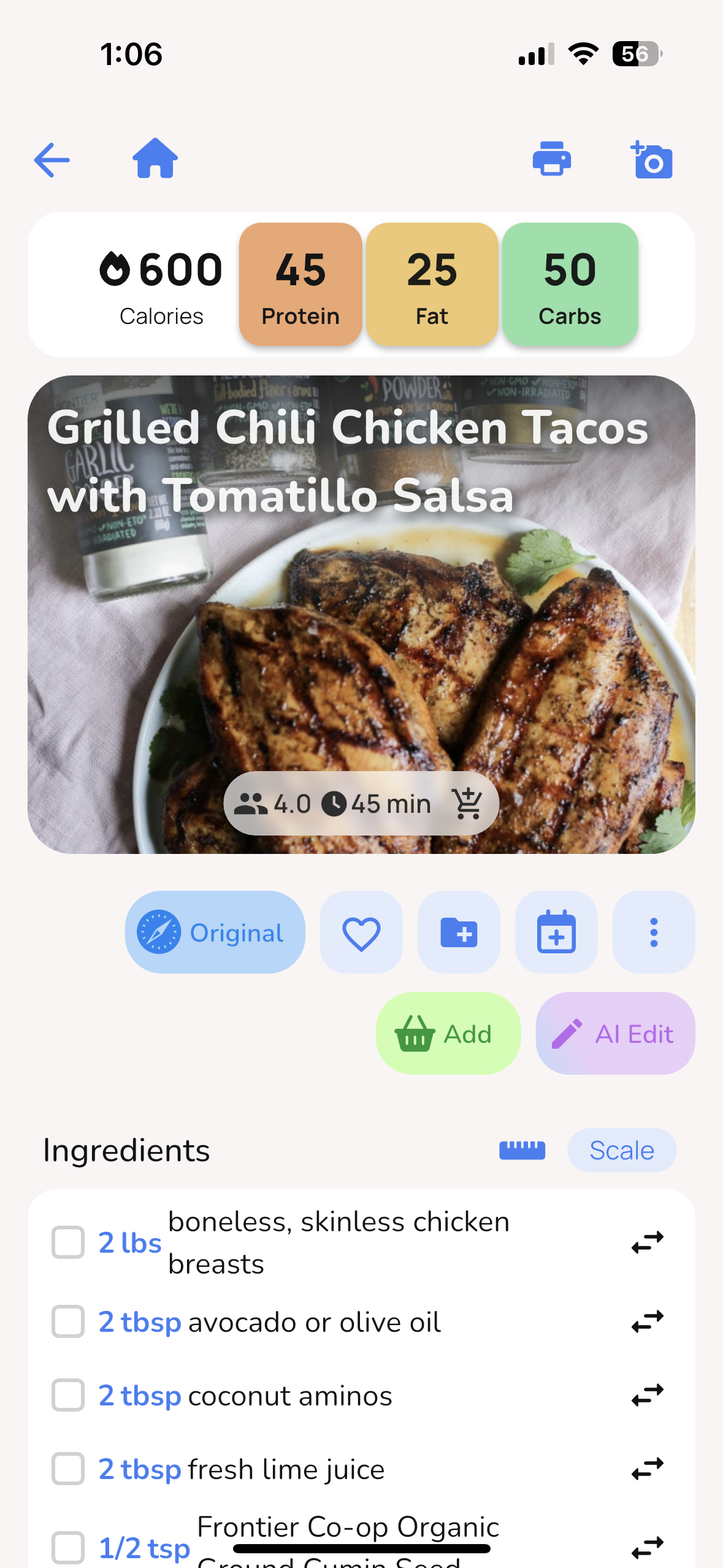
AI-powered tools like Honeydew Recipe Manager can even transform entire recipes into vegan versions, saving time and reducing trial and error. With these swaps, plant-based cooking becomes simpler and more reliable for everyday use.
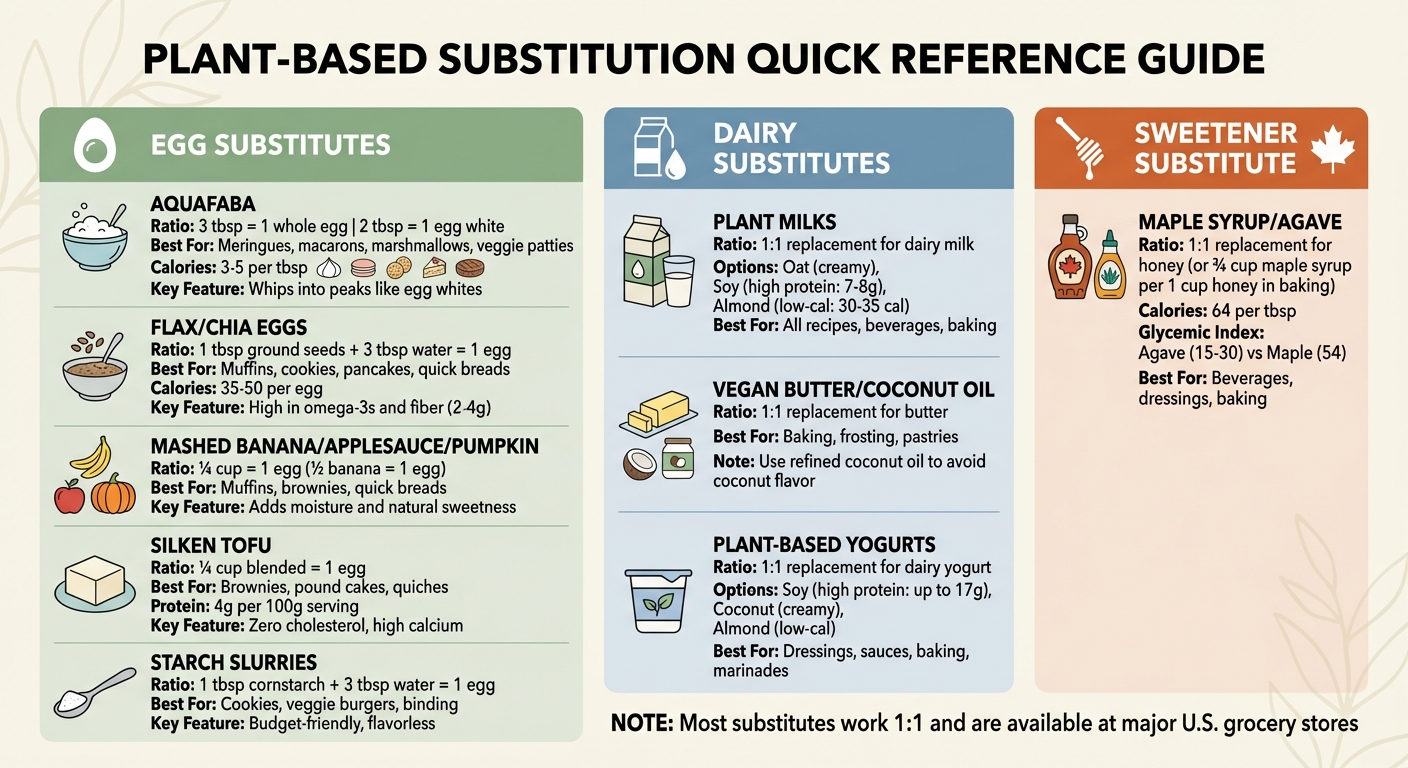
Quick Reference Guide to Plant-Based Ingredient Substitutions
1. Aquafaba for Eggs
Effectiveness as a Substitute
Aquafaba, the liquid found in canned chickpeas, stands out as a versatile egg substitute. Its mix of starches, proteins, and plant solids mimics the binding, leavening, and emulsifying properties of egg whites. This makes it especially effective in recipes that require whipped peaks, such as meringues, macarons, marshmallows, and chocolate mousse. It also works well as a binder in savory dishes like veggie patties or sauces. As Rossi Anastopoulo from King Arthur Baking puts it:
"Aquafaba works well on its own (meringues), in non-baked recipes (marshmallow spread), and in recipes that don't rely on egg whites for a ton of structure (pancakes)."
The general rule of thumb is to use 3 tablespoons of aquafaba to replace one whole egg, or 2 tablespoons for one egg white. However, it doesn't perform well in recipes that heavily rely on egg structure, such as angel food or chiffon cakes, which may collapse without the strength provided by eggs. Additionally, aquafaba isn't suitable for dishes like scrambled, poached, or fried eggs.
Nutritional Value
Aquafaba is a low-calorie option, with each tablespoon containing just 3 to 5 calories. It is naturally free of cholesterol, sugar, and gluten. While it does contain trace amounts of protein, B vitamins (like folate and thiamin), and minerals such as iron and phosphorus, it lacks the protein and fat content found in egg yolks. This makes it a lighter alternative for those looking to cut down on calories or cholesterol.
Ease of Use in Recipes
To use aquafaba effectively, whip it for 7 to 15 minutes until it reaches the desired consistency. If the liquid seems too thin, simmer it gently to thicken it to the consistency of egg whites. Adding 1/8 to 1/4 teaspoon of cream of tartar can help achieve stiff peaks. For desserts, it's best to use low-sodium or unsalted chickpeas to avoid adding too much salt.
Leftover aquafaba can be stored in the refrigerator for 5 to 7 days. For longer storage, freeze it in ice cube trays, measuring 1 tablespoon per cube, and use within a few months.
Availability in the United States
Aquafaba is easy to find, as it's a byproduct of canned chickpeas, a staple in most U.S. grocery stores. A typical 15-ounce can yields about ½ to ¾ cup of liquid, which is enough to replace 8 to 12 tablespoons of egg. Tricia L. Psota, PhD, RDN, Managing Director of Nutrition on Demand, emphasizes:
"Saving the liquid from a can of chickpeas, preferably low- or no-salt-added options, is the most straightforward way to get aquafaba."
For those who prefer convenience, commercial aquafaba is now available in cartons from vegan brands like OGGS. This widespread availability makes aquafaba an accessible and practical choice for anyone experimenting with egg replacements in their cooking or baking.
2. Mashed Banana, Pumpkin Purée, or Applesauce for Eggs
Effectiveness as a Substitute
Purées like mashed banana, pumpkin purée, and applesauce work well as egg substitutes because they bind ingredients and add moisture. However, they don’t provide leavening, which can lead to denser baked goods. This makes them perfect for recipes where a moist, hearty texture is preferred - think muffins, quick breads, pancakes, or brownies. Each purée brings its own flavor: banana adds noticeable sweetness, applesauce stays fairly neutral, and pumpkin purée adds a subtle flavor along with a warm orange hue.
"Applesauce is high in pectin, which acts as a binding agent and helps create a similar texture as eggs in baked goods".
These differences also play a role in their nutritional contributions.
Nutritional Value
Beyond their functional role, these options come with nutritional perks. They eliminate cholesterol while adding fiber, vitamins, and minerals. Bananas provide potassium, pumpkin purée is rich in vitamin A, and applesauce offers a mild balance of nutrients. On the downside, they lack the protein and fat found in eggs. Their sweetness also varies: ripe bananas are the sweetest (and might let you cut back on added sugar), applesauce offers mild sweetness, and pumpkin purée is the least sweet of the three.
Ease of Use in Recipes
To replace one large egg, use ¼ cup of unsweetened applesauce or pumpkin purée, or ½ of a mashed medium banana. Stick to unsweetened applesauce and plain pumpkin purée (avoid pumpkin pie filling). Since these substitutes don’t help with leavening, you can add ½ teaspoon of baking powder or a pinch of baking soda to the recipe.
"Mashed banana is an egg replacement that can make recipes more tender. It's ideal for muffins, cakes, quick breads, and pancakes".
If using very ripe bananas, you might want to reduce other sweeteners in the recipe.
Availability in the United States
These substitutes are easy to find in the U.S. Applesauce is typically stocked in the health food or baby food sections of grocery stores, while canned pumpkin is available throughout the year. Their affordability and accessibility make them practical choices, especially when egg prices rise.
3. Flax or Chia Seed Eggs for Eggs
Effectiveness as a Substitute
Flax and chia seed eggs are reliable plant-based alternatives when it comes to binding and retaining moisture in recipes. They work well in dishes like muffins, quick breads, pancakes, and even veggie burgers, where eggs primarily act as a "glue" to hold everything together. This is thanks to the soluble fiber in the seeds, which creates a gel-like consistency that mimics the binding properties of egg whites.
However, these substitutes fall short in recipes that require eggs for structure and aeration, such as soufflés, angel food cakes, meringues, or custards. They’re best used in recipes that call for one or two eggs, as using them for more than three eggs can result in a dense or gummy texture.
"In chocolate chip cookies... flaxseed was the clear winner. Flaxseed cookies spread properly, baked with crisp edges and chewy centers, and came remarkably close to the classic egg-based texture." - Amanda Luchtel, Private Chef and Food Writer
Flax eggs bring a mild nutty flavor and small brown flecks, making them perfect for rustic recipes like oatmeal cookies. On the other hand, chia eggs have a more neutral taste, though they can feel grainy unless the seeds are finely ground. For recipes like light-colored cakes, white chia seeds are a better choice to avoid dark specks.
Nutritional Value
Flax and chia seed eggs don’t just serve as substitutes - they also pack some nutritional perks. A single tablespoon of either seed is loaded with omega-3 fatty acids, exceeding daily recommended amounts. Unlike chicken eggs, which contain about 186mg of cholesterol, flax and chia eggs are completely cholesterol-free. They also provide dietary fiber - about 2g per flax egg - something chicken eggs lack entirely.
| Nutrient | 1 Flax Egg | 1 Chia Egg | 1 Chicken Egg |
|---|---|---|---|
| Calories | ~35-50 | ~49 | ~70 |
| Protein | ~1.3g-2.5g | ~1.7g-2.4g | ~6g |
| Fiber | ~2g-3.8g | ~3.4g-4.8g | 0g |
| Cholesterol | 0mg | 0mg | 186mg |
These substitutes are rich in fiber and omega-3s, which can promote better digestion and heart health. The main tradeoff is protein: flax and chia eggs offer about 1.3g to 2.5g of protein, significantly less than the 6g found in a chicken egg.
Ease of Use in Recipes
Making a flax or chia seed egg is straightforward. The standard formula is 1 tablespoon of ground seeds mixed with 3 tablespoons of water, left to sit for 5–15 minutes until it forms a gel. Flaxseeds must be ground to activate their gelling properties, while chia seeds can be used whole, though grinding them results in a smoother texture. Using room temperature or slightly warm water speeds up the process.
It’s a good idea to prepare the seed egg first, giving it time to gel while you measure out other ingredients. To keep your seeds fresh, store ground flaxseed or chia meal in the refrigerator or freezer.
Availability in the United States
Flax meal and chia seeds are easy to find in most major grocery stores, including chains like Target and Whole Foods. Flaxseeds typically cost around $5.50 per pound, while chia seeds are priced at about $9.50 per pound. Both are affordable, long-lasting pantry staples. Whole chia seeds, for example, can be stored at room temperature for up to two years without going bad. These qualities make them a practical addition to any plant-based baking arsenal.
4. Silken Tofu for Eggs
Effectiveness as a Substitute
Silken tofu is a solid choice when eggs are needed for binding and moisture in baking. It works best in dense, moist recipes like brownies, pound cakes, muffins, and quick breads. This is thanks to its natural lecithin, which acts as an emulsifier, helping to hold ingredients together in a way similar to egg yolks.
That said, silken tofu isn’t a one-size-fits-all solution. It doesn’t provide the leavening needed for recipes that require lift, like soufflés, angel food cakes, or meringues. Rachel MacPherson, a Certified Nutrition Coach, explains:
"Silken tofu is neutral enough to take on surrounding flavors, but its slightly custardy finish means it's not a good fit for baked goods with a firmer crumb, like biscuits or shortbread".
| Recipe Type | Suitability | Reason |
|---|---|---|
| Brownies & Blondies | Excellent | Adds density and moisture |
| Pound Cakes | Excellent | Mimics heavy, moist structure |
| Soufflés | Poor | Lacks necessary leavening |
| Quiches/Scrambles | Good | Recreates a soft, custard-like texture |
This makes silken tofu a great addition to the list of egg alternatives, especially for recipes where texture and moisture are key.
Nutritional Value
Silken tofu doesn’t just perform well in recipes - it also has some nutritional perks. A 100g serving of silken tofu contains 4 grams of protein, 61 calories (compared to 143 in eggs), zero cholesterol, and nearly double the calcium (111mg versus 56mg). It also has significantly less saturated fat - 4.8 times less than eggs - and even provides dietary fiber, which eggs lack. While eggs are richer in Vitamin B12 and Vitamin D, tofu brings important minerals like iron, calcium, and potassium to the table.
Ease of Use in Recipes
The general rule for replacing eggs with silken tofu is to use 1/4 cup (or 60 grams) of pureed tofu per egg. To get the best results, blend the tofu until it’s completely smooth - mashing it with a fork won’t cut it and could leave lumps in your batter. Some bakers also recommend adding 1/4 teaspoon of baking soda to improve lift and texture, though the high moisture content of tofu may slightly reduce browning.
Availability in the United States
Silken tofu is easy to find in most U.S. grocery stores. Look for it in the refrigerated section near cheese and natural products, or in shelf-stable aseptic boxes in the international or natural foods aisle. The shelf-stable versions are especially handy if you want to keep a backup egg substitute without taking up fridge space.
5. Plant Milks for Dairy Milk
Effectiveness as a Substitute
Plant milks can replace dairy milk on a 1:1 basis in almost any recipe, from pancakes to creamy pasta sauces. The trick lies in pairing the right plant milk with your dish. For example, oat milk has a creamy texture similar to whole milk, making it a great choice for coffee, cereal, or baking. Soy milk, with its high protein content (around 7–8 grams per cup), is perfect for baked goods as it helps with structure and browning. For richer dishes like Alfredo sauce or curries, full-fat canned coconut milk or cashew milk provides the necessary thickness.
When cooking savory dishes, it’s crucial to use unsweetened, unflavored plant milks. Accidentally using a flavored variety - like vanilla almond milk in mashed potatoes - can completely alter the dish’s taste. Barista-style oat and soy milks are specially designed to froth and steam without separating, making them ideal for hot beverages like lattes.
Nutritional Value
Soy milk stands out for closely matching cow's milk in protein, delivering about 8 grams per cup. Almond milk, on the other hand, is a low-calorie option, with just 30–35 calories per cup compared to the 146 calories in whole dairy milk. Pea milk, such as Ripple, also offers around 8 grams of protein and is often fortified with calcium for added nutritional benefit. Most commercial plant milks in the U.S. are enriched with calcium, vitamin D, and vitamin B12 to align with the nutritional profile of dairy milk.
Consumer preferences are shifting, as seen in sales trends. Between June 2021 and June 2022, oat milk sales jumped by over 50%, while almond milk, despite leading the market with $1.27 billion in sales, experienced a slight 1% dip. This shift highlights a growing interest in creamier textures and environmentally friendly choices. Producing one glass of dairy milk generates nearly three times the greenhouse gas emissions of any plant-based milk. With their nutritional benefits and lower environmental impact, plant milks are a versatile and health-conscious choice for many.
Ease of Use in Recipes
Switching to plant milk in recipes is simple - just replace dairy milk cup-for-cup. In baking, soy milk’s protein content helps with structure and browning, while oat milk adds moisture to cakes and muffins without overpowering other flavors. Need vegan buttermilk? Combine soy or pea milk with a tablespoon of apple cider vinegar or lemon juice and let it sit for five minutes to curdle.
Availability in the United States
In the U.S., almond, oat, and soy milks are widely available in grocery stores like Publix and HEB. More specialized options, such as pea, flax, or hemp milk, are becoming easier to find at stores like Whole Foods and Sprouts Farmers Market, as well as through online retailers. With an estimated 30 to 50 million Americans dealing with lactose intolerance, plant milks have become a mainstream option rather than a niche product.
6. Coconut Oil or Vegan Butter for Butter
Effectiveness as a Substitute
When it comes to swapping out dairy butter, vegan butter and coconut oil stand out as excellent options. Vegan butter is especially good at replicating the flavor and texture of traditional butter, making it a fantastic choice for baking. It's ideal for creaming with sugar, a crucial step for creating light, fluffy cakes. If you're whipping up cookies, brownies, or frosting, vegan butter will give you results that closely match classic recipes.
Coconut oil, on the other hand, shines in recipes like pastries, pie crusts, and scones. Thanks to its solid state at room temperature, it helps create that perfect flaky texture. However, its higher melting point affects how cookies bake - expect them to be firmer and to spread less. As Chef Dennis Littley explains, "Coconut oil gives cookies a firmer texture and less spread due to its higher melting point".
For most recipes, refined coconut oil is the better choice unless you're aiming for a tropical flavor, as unrefined (virgin) coconut oil has a strong coconut taste. Both vegan butter and coconut oil can replace dairy butter in a 1:1 ratio. That said, some experts suggest using 25% less coconut oil than butter since it's denser in solid fats.
Nutritional Value
Coconut oil is about 90% saturated fat, delivering 121 calories per tablespoon and no cholesterol. While it’s cholesterol-free, its high saturated fat content can raise LDL cholesterol levels, similar to dairy butter or palm oil. Vegan butters, often made from plant oils like olive, avocado, or coconut, are also cholesterol-free and may include healthier fats such as omega-3 fatty acids.
Ease of Use in Recipes
Both substitutes are easy to incorporate into recipes. For dishes that require "cut-in" fat, such as pie crusts or biscuits, using solid, chilled coconut oil or vegan butter sticks will help create flaky layers by generating steam during baking. If softened butter is needed, coconut oil can be briefly microwaved to achieve the right consistency. For a closer match to butter's macronutrient profile, try blending 80% coconut oil with 20% plant-based milk. These simple adjustments make using these alternatives straightforward.
Availability in the United States
Finding these substitutes is easier than ever. Many U.S. grocery stores stock at least one brand of vegan butter, such as Miyoko's or Earth Balance. Coconut oil is also widely available and is often a key ingredient in commercial vegan butter products. For budget-conscious shoppers, options like Country Crock Plant Butter are affordable. If you're looking for something more premium, Miyoko's Creamery European Style Cultured Vegan Butter offers a rich, elevated flavor, albeit at a higher price point.
7. Maple Syrup or Agave for Honey
Effectiveness as a Substitute
Agave nectar and maple syrup are excellent alternatives to honey. Agave nectar stands out because its consistency and viscosity closely resemble honey. Sara Bir, a chef and author at Simply Recipes, shares:
"My go-to honey substitute is agave nectar. It's a syrup, just like honey. More importantly, it's almost exactly sweet as honey, and it has similar floral notes".
While maple syrup is thinner than honey, it brings a rich depth of flavor with hints of caramel and vanilla. Both substitutes can generally be used as a 1:1 replacement for honey in most recipes. A practical advantage of agave nectar is its long shelf life - it doesn’t crystallize, unlike honey.
Nutritional Value
Nutritionally, both sweeteners provide about 64 calories and 17 grams of carbohydrates per tablespoon. However, they differ in their glycemic index: agave nectar is lower (15–30) compared to maple syrup (54) and honey (58). Maple syrup also offers additional nutrients, supplying 30% of the Daily Value for manganese and zinc, which support bone health.
Ease of Use in Recipes
These substitutes are easy to incorporate into recipes, though some minor adjustments are needed. When using maple syrup, substitute 3/4 cup for every cup of honey, reduce other liquids by about 3 tablespoons, and lower the oven temperature by 25°F. For a mild, neutral sweetness, light or golden agave nectar works best. If you prefer a bolder flavor, dark agave or maple syrup adds complexity. Agave nectar dissolves quickly, making it ideal for cold drinks and dressings. However, since it browns faster than honey, it’s better suited for recipes that don’t involve much heat.
Availability in the United States
Both agave nectar and maple syrup are easy to find in the U.S., typically located in the baking or breakfast aisles of most grocery stores. Maple syrup is a common household staple, appreciated for its versatility in both sweet and savory dishes. Agave nectar, with its similar sweetness and floral notes, is especially popular among vegan households. Light or golden agave varieties are the most commonly available options on store shelves. These widely accessible substitutes open up creative possibilities for vegan cooking.
8. Plant-Based Yogurts for Dairy Yogurt
Effectiveness as a Substitute
Store-bought plant-based yogurts are a reliable alternative to dairy-based options. They’re crafted to replicate the tangy taste and creamy texture of traditional yogurt, making them suitable for a variety of recipes like baking, dressings, marinades, and sauces. Most plant-based yogurts can be swapped in a 1:1 ratio, ensuring ease of use. As Alisa Fleming, Founder of GoDairyFree.org, puts it:
"Dairy‐free brands work as an equivalent substitute yogurt".
For savory dishes like tzatziki or creamy pasta sauces, plain, unsweetened varieties work best. Soy yogurt stands out as a strong replacement due to its protein content and performance in baking. For recipes requiring Greek yogurt, coconut yogurt or coconut cream provides the thick texture and high fat content needed. If your yogurt seems too thin, straining it through a cheesecloth or coffee filter for several hours can create a Greek-style consistency. These substitutes don’t just mimic the texture of dairy yogurt but also bring their own nutritional perks to the table.
Nutritional Value
The nutritional profile of plant-based yogurts varies depending on the base ingredient. Soy and pea-based options lead the pack in protein, with some dairy-free Greek yogurt alternatives offering up to 17g of protein per serving and 0g of sugar. Almond milk yogurt is a lighter choice, containing 3.8% fewer calories than traditional Greek yogurt.
Coconut yogurt, while higher in saturated fats, provides medium-chain triglycerides (MCTs) and is a good source of Vitamin B12. Many brands now fortify their yogurts with calcium and vitamin D to closely match the nutritional profile of dairy yogurt. For probiotic benefits, look for labels that specify "live active cultures", which also contribute to the tangy flavor.
Ease of Use in Recipes
Plant-based yogurts are versatile and easy to incorporate into recipes. Recipe developer Ligia Lugo from Vegan in the Freezer highlights this:
"The flavors and textures achieved by the commercial manufacturing just can't be beat!".
If you’re using plant-based yogurt in baking, ensure it has enough acidity to react with baking soda for proper leavening. If needed, add a few drops of lemon juice or apple cider vinegar. For savory dishes, stick to plain, unsweetened options to avoid unexpected flavor clashes. While store-bought plant-based yogurts typically cost $2.00–$3.00 per serving, making your own at home can cut costs by nearly half. Once opened, most store-bought varieties stay fresh for about a week.
Availability in the United States
Plant-based yogurts are widely accessible across the U.S., available in major retailers like Walmart and other grocery stores. Popular options include soy, coconut, almond, cashew, and oat-based varieties. Brands like Kite Hill (almond), Forager Project (cashew), So Delicious (coconut), and Nancy's (oat) are common choices. For those seeking thicker, high-protein alternatives, Greek-style versions made from soy, pea protein, or thickened coconut are also readily available.
9. Starch Slurries for Eggs
Effectiveness as a Substitute
Starch slurries are a budget-friendly option for replacing eggs in specific recipes. They rely on starch gelatinization, where starch absorbs water and swells into a binding gel that mimics the function of egg whites. Jim Breckenridge, Associate Director of Food Science & Technology at Wonder, explains:
"The gel that the starch and water will form can hold products together the same way the gelled proteins of an egg white would."
This makes starch slurries perfect for recipes where eggs primarily add structure and moisture, like cookies, brownies, veggie burgers, and meatballs. The gel binds ingredients effectively without affecting flavor. However, they don't provide leavening, so they aren't suitable for airy recipes or when substituting more than two eggs. Cornstarch stands out among alternatives like flax eggs or mashed bananas because it has no flavor and won't alter the appearance of baked goods.
Ease of Use in Recipes
Making a starch slurry is quick and simple. For cornstarch, mix 1 tablespoon with 3 tablespoons of cool water, whisk until smooth, and use immediately to prevent settling. If using potato starch, whisk 2 tablespoons with 3 tablespoons of warm water until it forms a thick liquid.
Katherine Sprung, Pastry Chef and Founder of Squish Marshmallows, cautions that incorrect measurements or overcooking can make the slurry rubbery.
Availability in the United States
Cornstarch and potato starch are inexpensive and easy to find in the United States. They are common pantry staples, typically located in the baking aisle of most grocery stores. Popular brands like Bob's Red Mill offer both options. These starches are naturally vegan and gluten-free, making them a versatile choice for various diets. Compared to commercial egg replacers, starch slurries are far more affordable, offering a cost-effective solution for egg substitution.
10. Honeydew Recipe Manager for Smart Substitutions

Effectiveness as a Substitute
Honeydew Recipe Manager takes ingredient swaps to the next level by offering whole-recipe substitutions. Unlike tools that focus on replacing individual ingredients, this app acts as a full-scale AI assistant, helping users transform entire recipes into plant-based versions. It uses advanced Natural Language Processing and machine learning to identify and replace non-vegan ingredients, even those that might not be obvious.
The AI Recipe Editor allows users to interact directly with the assistant for tailored guidance. For example, instead of endlessly searching for the correct ratio of a flax egg in a pancake recipe, you can simply ask, "What’s the best ratio for a flax egg in this recipe?" and get an instant, customized response. Sarah Choi from Healthline highlights that AI platforms excel at substitutions because they combine flavor profiles with precise ratios.
Honeydew also stands out with its pantry-based recommendations. The app suggests plant-based alternatives using ingredients you already have, minimizing food waste and saving money. You can import any non-vegan recipe and instantly receive a veganized version without sacrificing the essence of the original dish. This seamless functionality makes plant-based cooking more accessible and less time-consuming.
Ease of Use in Recipes
Honeydew keeps things simple with its one-tap recipe imports from social media. Once a recipe is imported, the AI Recipe Editor can instantly convert it to a vegan version while automatically updating your grocery list to reflect the changes.
With over 100,000 downloads on Google Play and high user ratings, the app has proven popular. Many users describe its substitution feature as a "game-changer" for accommodating dietary restrictions. That said, some users have noted occasional issues with measurement accuracy, so it’s always a good idea to double-check quantities against trusted standards.
Availability in the United States
Honeydew is developed by Red Honey LLC, based in Austin, Texas, and is available for both iOS and Android in the United States. The app offers a free plan that includes 10 AI imports per month. For those needing more, Honeydew Plus costs $6.99 per month or $39.99 annually (about $4.17 per month when billed yearly). The paid version unlocks unlimited recipe storage, household sharing for up to six users, and an ad-free experience with full access to all substitution features. This makes it a versatile tool for anyone looking to consistently create plant-based meals with ease.
"The Skinny Bitch's" Vegan Substitutes
Conclusion
Plant-based cooking doesn’t have to be complicated. The swaps in this guide - like aquafaba, flax eggs, coconut oil, and plant-based milks - show that everyday pantry staples can effortlessly replace most animal-based ingredients, often with a simple 1:1 ratio.
Stocking up on essentials like flaxseeds, chia seeds, and canned chickpeas ensures you’re always ready to create reliable egg substitutes. These ingredients are not only convenient but also versatile. As vegan baking expert Fran Costigan shares:
"Without the butter, eggs, and white sugar, I know the ingredients taste fresher".
Beyond improving flavors, these swaps can make recipes healthier by adding fiber and cutting down on saturated fat and cholesterol. And for those looking for more precision, modern tools make experimenting even easier.
AI-powered tools like Honeydew Recipe Manager are changing the game for plant-based cooking. They take the guesswork out of substitutions by analyzing your pantry inventory and suggesting tailored swaps that help reduce food waste and save money. The app even customizes entire recipes based on what you already have. Sarah Choi highlights the convenience:
"For ingredient substitutions, ChatGPT is a great resource. Instead of looking up alternative ingredients, and then looking up the ratio, and then trying to find which would taste best, all of the information is combined in one place".
Why not try a swap this week? Use a flax "egg" in your muffins or switch to unsweetened almond milk for your morning coffee. As you experiment, you might find these alternatives elevate your dishes in unexpected ways. With about 29% of consumers now identifying as flexitarians, there’s no better time to dive into plant-based cooking.
FAQs
Which egg substitute works best for my recipe?
Ground flaxseed combined with water works wonderfully as an egg substitute in baking. This mixture mimics the binding and moisture-retaining qualities of eggs, making it perfect for recipes like cakes, cookies, and muffins.
How do I avoid flavor changes with plant milk swaps?
When aiming to keep flavor changes minimal, go for plant-based milks with mild, neutral tastes such as almond, oat, or soy. Steer clear of choices like coconut milk, which tends to have a more pronounced flavor. Look for unsweetened, calcium-fortified options to avoid adding sweetness or unusual aftertastes. Fermented plant milks can also be a good choice, as they often provide a more neutral flavor, making them suitable for a variety of recipes.
Can AI convert an entire recipe to vegan automatically?
Yes, AI can help transform recipes by analyzing them and suggesting plant-based alternatives for non-vegan ingredients. These tools are designed to find substitutions that maintain the flavor and texture of the dish, ensuring it remains tasty while fitting a vegan diet.