Best AI-Powered Cooking Robots in 2026
• Updated
AI cooking robots have become must-have kitchen tools in 2026. They handle meal planning, grocery lists, and cooking with precision, saving time and reducing food waste. Here’s a quick look at three standout models:
- Chef Robotics C-001748: Offers 15+ cooking modes, a built-in scale, and a vast recipe library for $699.99.
- LG CLOiD: A multi-tasking smart home robot that integrates with connected home systems. Pricing is yet to be announced.
- SwitchBot Onero H1: A humanoid robot with 22 degrees of freedom, local AI processing, and compact design. Pricing to be revealed in Q2 2026.
These robots cater to various needs, from budget-friendly options to multi-functional smart home devices. Whether you’re a busy professional or a home cook, there’s a model to simplify your kitchen experience.
Best AI-Powered Cooking Robots of 2026
Chef Robotics C-001748
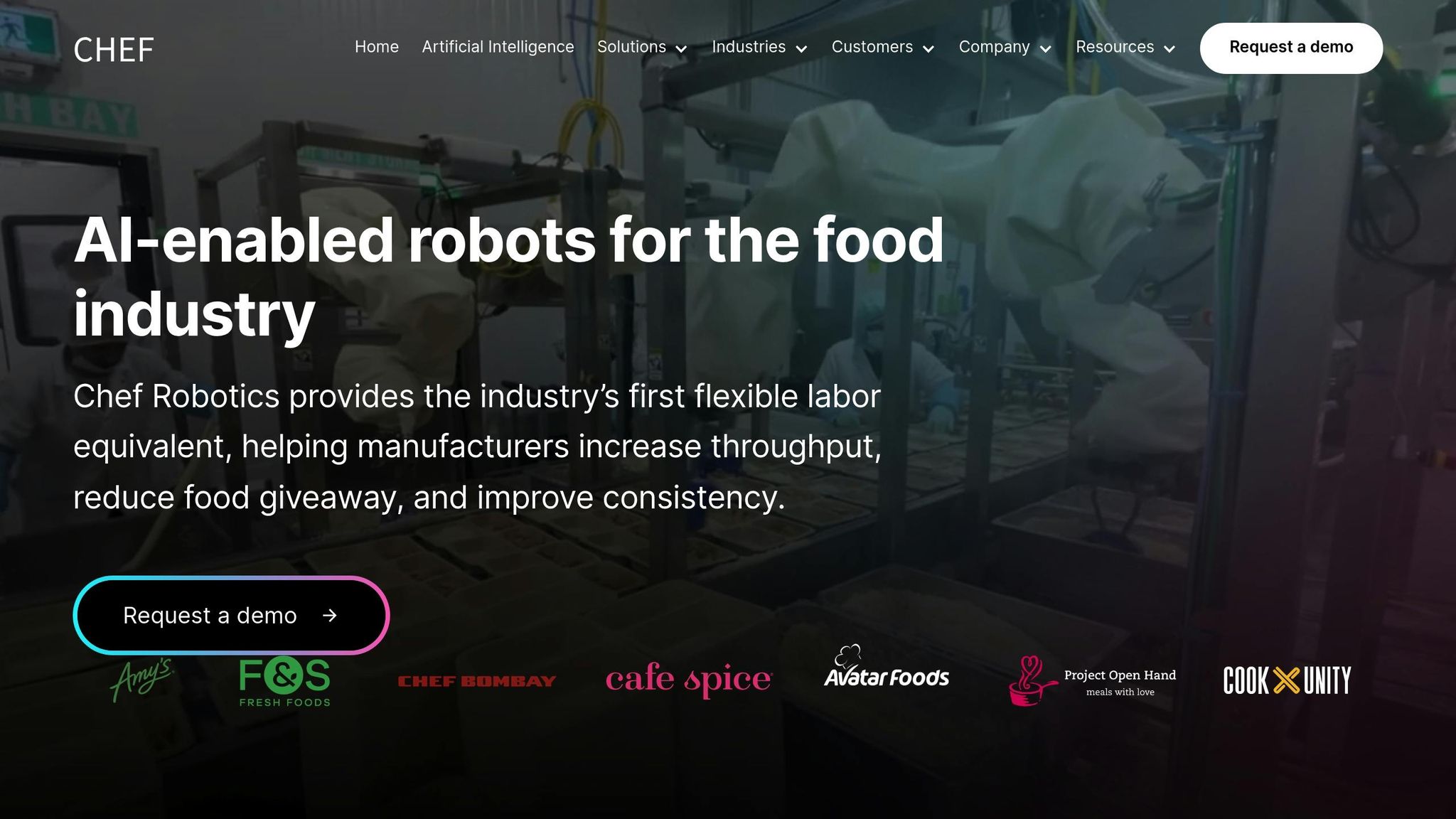
The Chef Robotics C-001748, also known as the ChefRobot Ultracook, is a standout in the world of AI-powered kitchen gadgets. With 15+ cooking modes, this device can handle everything from sautéing and kneading to mixing and steaming. Its AI-driven system adjusts cooking times and temperatures automatically, making meal prep easier and more precise. Perfect for busy households, this robot allows you to focus on other tasks - whether you're working from home or managing household chores - while it takes care of dinner.
One of its most practical features is the built-in 11-pound scale, which eliminates the need for separate measuring tools. This integrated functionality simplifies meal preparation, turning the robot into a one-stop kitchen solution. With a vast recipe library and a user-friendly interface, even novice cooks can create dishes that rival restaurant-quality meals.
LG CLOiD
The LG CLOiD takes kitchen automation to the next level by integrating seamlessly into smart home ecosystems. But it doesn't stop at cooking - this versatile robot can also unload dishwashers and fold clothes, making it a multifunctional tool for managing daily household chores.
Its smart connectivity allows remote control through mobile apps, so you can start dinner prep from the office or adjust settings while running errands. For those who value a unified smart home experience, the CLOiD offers a level of convenience and automation that extends well beyond the kitchen.
SwitchBot Onero H1
The SwitchBot Onero H1 is a humanoid robot designed to handle a variety of domestic tasks. Equipped with articulated robotic arms (known as "A1") and 22 degrees of freedom, it excels at cooking, making coffee, loading dishwashers, and even doing laundry. This flexibility makes it a versatile addition to any home.
What makes the Onero H1 unique is its OmniSense VLA model, an AI system that learns and adapts locally without relying on cloud connectivity. This ensures both data privacy and uninterrupted performance. Its compact design is ideal for small kitchens, and its humanoid form allows it to use standard kitchen tools without needing specialized equipment. This makes it a practical option for those looking to maximize functionality in limited spaces.
Top 5 AI-Powered Kitchen Robots to Own in 2026 | Smart Cooking Revolution
Feature Comparison Table
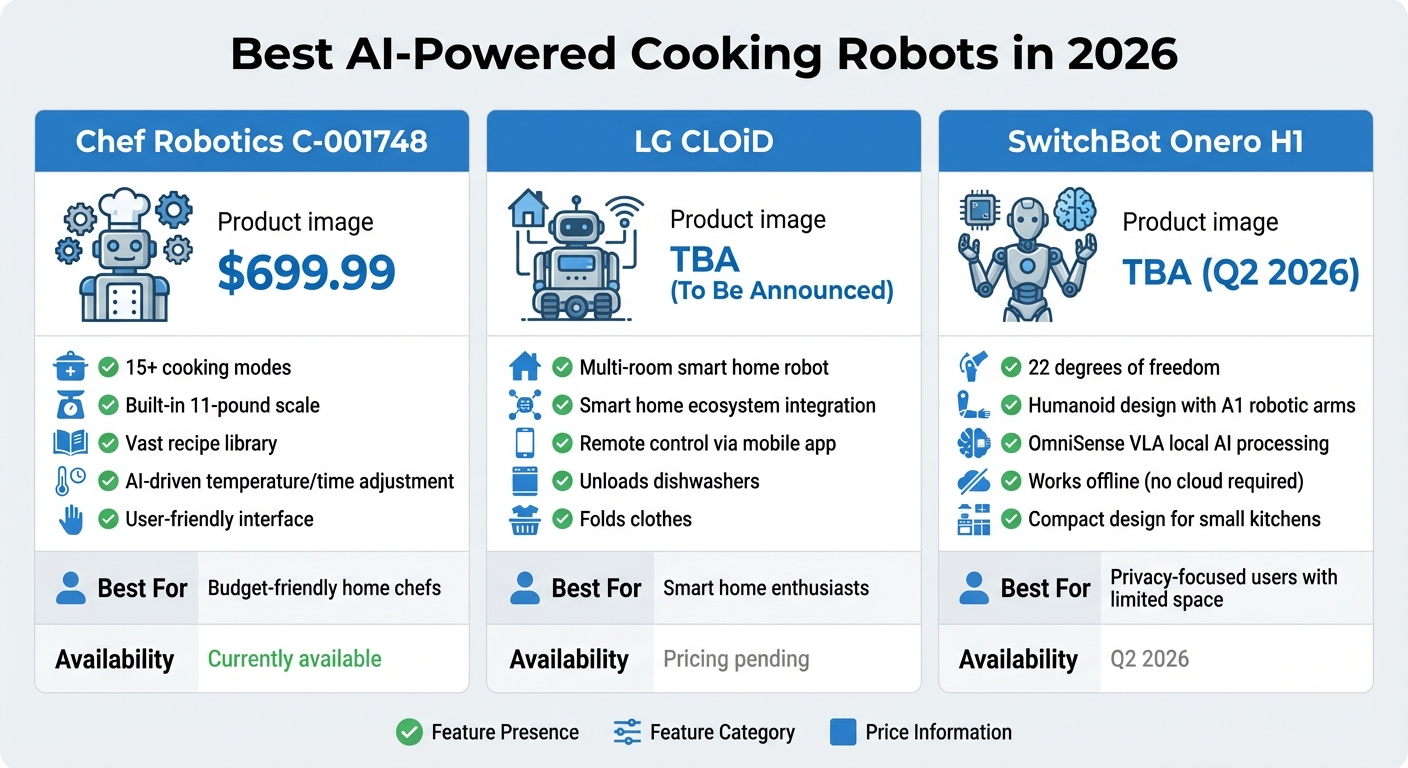
AI Cooking Robots 2026: Feature and Price Comparison Chart
When shopping for an AI-powered cooking robot for your home kitchen in 2026, understanding the key differences between models can help you make the best choice. Each device offers its own spin on kitchen automation, catering to different needs and preferences. Here's a quick breakdown of their standout features:
- Chef Robotics C-001748: This model is all about enhancing cooking efficiency. It comes with a built-in scale and supports 15 distinct cooking modes. At $699.99, it’s a budget-friendly option for home chefs who want functionality without breaking the bank.
- LG CLOiD: Designed as a multi-room smart home robot, this model seamlessly integrates with connected home systems. While its specs are still under wraps, it’s clear that its sleek design and ability to handle tasks beyond the kitchen set it apart. Pricing details for the U.S. market are yet to be announced.
- SwitchBot Onero H1: Featuring a humanoid design, this robot is perfect for everyday kitchen tasks. Its local AI processing ensures it remains reliable even if your internet connection drops. Pricing for the Onero H1 will be revealed in Q2 2026.
Each of these options brings something unique to the table, whether it’s affordability, smart home integration, or reliable performance.
How to Choose the Right Cooking Robot
Start by deciding on your budget and evaluating your counter space. Cooking robots range widely in price, from entry-level models ($130–$400) to premium options that can exceed $2,500. If space is tight, look for all-in-one devices that combine functions like blending, steaming, sautéing, and kneading into a single compact unit. This can save both space and the hassle of managing multiple appliances.
Next, consider the capacity and features that suit your household. Bowl sizes typically range from 2.2 liters (ideal for couples) to 6 liters (great for larger families). Think about the features you’ll actually use - some models come loaded with options like automatic stirring, burn detection, or even cameras for food recognition. If access to thousands of guided recipes is appealing, WiFi-enabled models are a great choice, but keep in mind they require a reliable internet connection for cloud syncing and updates.
App compatibility is another key factor. Make sure your cooking robot integrates smoothly with your meal-planning tools. For example, apps like Honeydew Recipe Manager allow you to import recipes, plan meals, and even order groceries. Check if the robot supports features like "Open API" or works with platforms like Samsung SmartThings. A good tip is to download the robot's companion app before purchasing to see if it supports importing recipes or lists compatible third-party apps. Honeydew, for instance, can pull recipes from platforms like TikTok and Instagram and sync them with grocery services like Instacart, which works best if your cooking robot can directly receive those imported recipes.
Ease of cleaning is also important. Look for models with self-cleaning options and dishwasher-safe parts. Robots equipped with optical sensors or internal cameras need regular cleaning to maintain accuracy for features like food identification and burn detection. Additionally, check the privacy policy to understand how the robot handles your data, especially if it uses cloud services or cameras.
Finally, confirm that the unit supports U.S. measurement standards (cups, ounces, °F). For example, the TOKIT Omni Cook C2 has an average rating of 4.4 out of 5 stars from 89 reviews, while the Upliance AI Assistant has a 4.1 out of 5 rating from 249 reviews. Compare these ratings alongside factors like cost, smart home compatibility, and how well they integrate with your meal-planning workflow. This ensures your cooking robot fits seamlessly into your kitchen and delivers reliable performance with minimal hassle.
What's Next for Kitchen Automation
The future of kitchen technology is heading toward deeper automation, with kitchens transitioning from being simply smart to becoming almost intuitive. By 2030, cooking robots will be more than just tools that follow recipes - they’ll evolve into adaptable, intelligent cooking companions. The home cooking robot market is predicted to hit $20.22 billion by 2030, with global sales reaching 15 million units. This surge is fueled by advancements in visual cooking technologies, predictive meal planning, and interconnected smart devices.
Robots are becoming increasingly sophisticated, using RGB and thermal cameras combined with advanced infrared spectroscopy to monitor moisture levels and browning with precision in real time. These capabilities promise to elevate cooking accuracy and consistency.
Predictive meal planning is another game-changer on the horizon. AI is now capable of analyzing pantry inventory, dietary preferences, and past cooking habits to suggest meals proactively, saving time and effort. This "pantry-first" strategy has proven to cut household food expenses by 23%. Apps like Honeydew Recipe Manager already demonstrate this concept, allowing users to import recipes from social media or snap photos of their fridge to generate meal ideas instantly. Future systems will take this further, crafting meal plans entirely based on what’s available at home.
Seamless integration among smart kitchen devices is also shaping the future of automation. Protocols like Matter are enabling devices from different brands to communicate effortlessly within a single ecosystem. Meanwhile, collaborations between companies, such as HelloFresh partnering with robot manufacturers to enable QR code recipe downloads, are streamlining the process from meal planning to automated execution. These developments are laying the groundwork for even more advanced edge computing solutions in kitchen automation.
Speaking of edge computing, its advancements now allow for real-time adjustments and predictive maintenance alerts, reducing the need for cloud-based processing. The Neural Processing Unit (NPU) market for smart appliances is projected to grow at an annual rate of 21.5% between 2025 and 2034. This technology enables cooking robots to process data locally, monitor motor performance, and notify users of potential issues before they arise. These features will make kitchen robotics an essential part of the modern home, offering a near-autonomous cooking experience with minimal human intervention.
Conclusion
AI-powered cooking robots are reshaping home kitchens by taking over complex tasks and simplifying meal preparation. These devices handle a variety of functions with real-time precision, making them a game-changer for both beginners and busy professionals. Whether you opt for a basic model or a high-end system, these robots deliver consistent results every time.
By combining automated cooking with smart meal planning, they create a hassle-free kitchen experience. For instance, tools like Honeydew Recipe Manager can sync recipes and generate grocery lists tailored to your robot’s needs. This ensures your ingredients are ready to go - perfectly formatted for the robot’s automated cycles - eliminating the stress of manual preparation.
With advanced vision systems monitoring bubbling and texture in real time, these robots continue to improve. Start with guided recipes to help the AI understand your tastes, then gradually experiment with manual adjustments as you get more familiar with its features.
FAQs
How do AI-powered cooking robots work with smart home devices?
AI-powered cooking robots are bringing a new level of ease and precision to meal preparation by working hand-in-hand with smart home devices. Equipped with sensors, these robots can keep tabs on critical cooking factors like temperature, humidity, and timing. They even make real-time adjustments - like tweaking heat levels or stirring - so your meals are cooked to perfection without the hassle.
Many of these robots connect to smart home systems through Wi-Fi or Bluetooth, integrating smoothly with appliances such as ovens, refrigerators, and even voice assistants. This means you can remotely control and monitor your kitchen, get helpful notifications, and automate tasks like preheating the oven or keeping track of ingredients. Together, these features make your kitchen a more connected and efficient space.
What should I look for when choosing an AI cooking robot for a small kitchen?
When picking an AI cooking robot for a small kitchen, there are a few important things to keep in mind to make sure it suits your space and needs. Size and design should be your first consideration - look for compact models that won’t take over your limited counter space.
Next, think about functionality. A robot that can handle multiple tasks like chopping, stirring, cooking, and even cleaning can save you both time and space by reducing the need for additional gadgets.
Don’t forget to check the robot’s capacity - it should be able to prepare enough food for your household without being too bulky. Smart features are another big plus; simple controls and compatibility with your existing smart devices can make your cooking experience smoother and more efficient.
Finally, take a close look at price and value. A device that combines multiple functions into one can be a smart investment, especially when you’re working with a smaller kitchen. It offers convenience without the clutter of extra appliances.
How can AI-powered cooking robots make meal planning easier and help reduce food waste?
AI-powered cooking robots make meal planning easier by analyzing what’s already in your kitchen and suggesting recipes that make the most of those ingredients. They can even create customized grocery lists and adjust portion sizes, so you’re only buying exactly what you need.
These robots also offer smart ingredient swaps and precise measurements, helping to cut down on food waste while catering to dietary needs or restrictions. The result? Meal prep becomes more efficient, budget-friendly, and better for the planet.