Butter Substitutes for French Recipes
• Updated
When it comes to French cooking, butter is often irreplaceable due to its role in flavor, moisture, and texture. But if you're looking for alternatives - whether for dietary needs, health reasons, or convenience - there are plenty of options that can work well with the right adjustments. Here's a quick breakdown:
- Olive Oil: Great for savory dishes like sautés and oil-based cakes; use 3/4 cup for every 1 cup of butter.
- Coconut Oil: Works well in pastries and desserts; replace butter 1:1 but adjust liquids since it lacks water content.
- Ghee: Ideal for high-heat cooking like searing; substitute 1:1 but note it doesn’t create flaky layers in pastries.
- Miyoko's Vegan Butter: Perfect for baking and flaky pastries; a 1:1 substitute with a tangy, creamy flavor.
- Avocado Oil: Best for roasting and sautéing; swap 1:1 but avoid recipes needing solid fats.
- Duck Fat: Adds savory richness to roasted vegetables and meats; replace butter 1:1.
- Plant-Based Margarine: Suitable for baking and creaming; use 1:1 but check for dairy derivatives if avoiding all dairy.
- Greek Yogurt: Adds tang and moisture to baked goods; replace butter 1:1 but expect denser results.
- Applesauce: A low-fat option for baked goods; replace up to half the butter for moisture without the fat.
Quick Comparison
| Substitute | Best Uses | Substitution Ratio | Pros | Cons |
|---|---|---|---|---|
| Olive Oil | Sautéing, oil-based cakes | 3/4 cup per 1 cup | Heart-healthy, rich flavor | Overpowers delicate dishes, no flaky layers |
| Coconut Oil | Baking, sautéing | 1:1 | Vegan, versatile | High saturated fat, melts quickly |
| Ghee | High-heat cooking, sauces | 1:1 | Lactose-free, nutty flavor | Not for pastries needing water content |
| Miyoko's Butter | Baking, pastries | 1:1 | Vegan, mimics butter well | Expensive |
| Avocado Oil | Roasting, sautéing | 1:1 | High smoke point, mild flavor | Liquid form limits baking uses |
| Duck Fat | Roasting, frying | 1:1 | Crispy textures, rich flavor | Not vegan or vegetarian |
| Margarine | Baking, creaming | 1:1 | Affordable | May contain dairy derivatives |
| Greek Yogurt | Moist cakes, sauces | 1:1 (adjust liquids) | High protein, tangy flavor | Denser texture in baked goods |
| Applesauce | Quick breads, dense cakes | Replace half | Low-fat, moist results | Adds sweetness, not for flaky pastries |
Each substitute has its strengths and limitations. For recipes where butter’s unique properties are critical - like croissants or beurre blanc - sticking with butter may be best. But for most other French recipes, these alternatives can help you achieve delicious results.
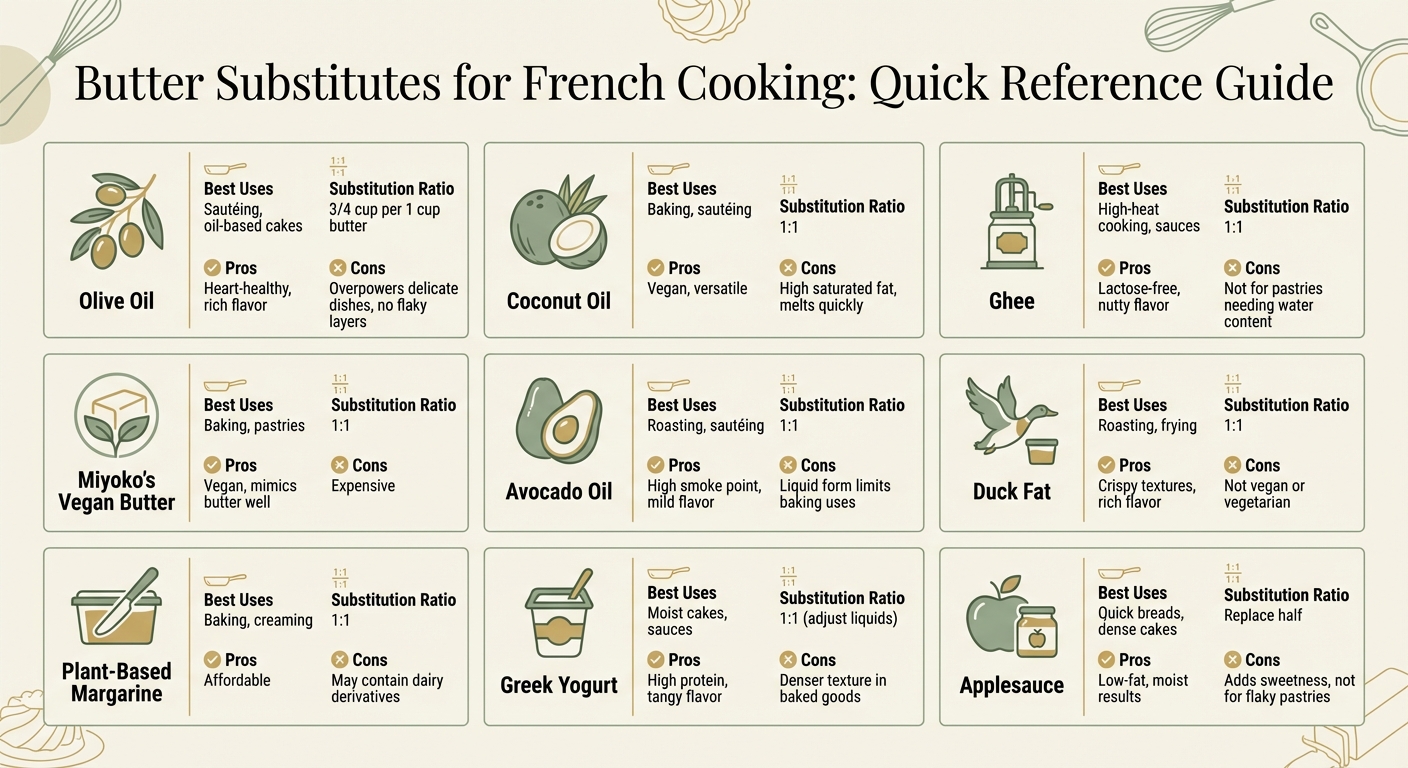
Butter Substitutes for French Cooking: Quick Comparison Guide
1. Olive Oil
Flavor Profile
Extra-virgin olive oil stands out for its spicy, fresh, and rich taste, often described as vibrant and full-bodied. Depending on the variety, it can also bring fruity, nutty, or savory undertones to the table, which pair beautifully with many French recipes. These flavors shine in dishes that feature ingredients like chocolate, nuts, or the aromatic blend of Herbes de Provence.
Best French Uses
Olive oil's unique character makes it a natural fit for certain French dishes. Its higher smoke point - compared to butter's range of 200°F–250°F - makes it perfect for sautéing vegetables and proteins. It’s also a fantastic choice for oil-based cakes, which often turn out more tender and moist than their butter-based counterparts. A drizzle of extra-virgin olive oil over roasted fish or vegetables can instantly add a Provençal touch. That said, olive oil isn’t the best choice for recipes where butter’s rich, creamy flavor is a key component.
Substitution Ratio
When swapping butter for olive oil, the ratio matters. Use 3/4 cup of olive oil to replace 1 cup of solid butter. For melted butter, a straightforward 1:1 substitution works well. For bold, savory dishes, extra-virgin olive oil is ideal, while virgin olive oil, with its milder taste, is better suited for delicate baked goods.
Pros and Cons
Olive oil brings several advantages to the kitchen. It’s packed with heart-healthy monounsaturated fats and keeps baked goods moist since it stays liquid at room temperature. This makes it a great option for braised dishes, sautéed greens, and quick breads. However, it’s not without limitations. Olive oil can’t trap air the way butter does, which is essential for recipes that rely on creaming butter and sugar. It also doesn’t create the flaky layers or the nutty, browned flavor that butter produces through steam and Maillard reactions. If you’re substituting olive oil, you might need to tweak the liquid-to-dry ingredient ratio in your recipe for the best results.
2. Coconut Oil
Flavor Profile
Coconut oil offers two main varieties to choose from: virgin coconut oil and refined coconut oil. Virgin coconut oil has a tropical sweetness that pairs wonderfully with chocolate desserts. On the other hand, refined coconut oil has a neutral taste, making it a better fit for dishes where you want to maintain traditional French flavors. Your choice will depend on the specific dish you're preparing.
Best French Uses
Refined coconut oil shines in savory French cuisine. With its high smoke point (up to 400°F/204°C), it’s perfect for sautéing vegetables, mushrooms, or poultry. It also works well in pastry-making, such as pâte brisée; when used in its solid form (below 72°F), it creates beautifully flaky layers.
Virgin coconut oil, with its subtle sweetness, is ideal for chocolate-based desserts like ganache or mousse. It enhances the richness of cocoa without overwhelming it. For an extra touch, you can brush it onto brioche or madeleines before baking to achieve a golden-brown finish.
Substitution Ratio
Coconut oil can replace butter in a 1:1 ratio. For recipes that call for softened butter, use solid coconut oil instead. However, keep in mind that coconut oil lacks the water content found in butter, so you may need to adjust the liquid ingredients accordingly.
Pros and Cons
Coconut oil is incredibly versatile. It can be used in its solid form for pastry work or melted for quick breads, mimicking butter’s behavior quite closely. Refined coconut oil’s high smoke point makes it especially useful for frying dishes like pain perdu (French toast), delivering crispy edges without the risk of burning, as butter’s milk proteins might. Additionally, it’s an excellent dairy-free alternative.
However, there are some drawbacks. Coconut oil melts faster than butter, which can affect dough texture in warmer conditions. It also doesn’t incorporate air as well during the creaming process, often leading to denser baked goods. Finally, the tropical flavor of virgin coconut oil may not suit classic French recipes that rely on a neutral taste profile.
Next, let’s take a look at Ghee as another strong contender for butter substitution in French cooking.
3. Ghee
Flavor Profile
Ghee is essentially butter that's been clarified and simmered until the water evaporates and the milk solids toast. This process gives it a rich, nutty, and caramel-like flavor that's often described as "more buttery than butter" .
Best French Uses
Thanks to its high smoke point (375°F–485°F compared to butter's ~350°F), ghee is excellent for sautéing and searing . It’s also a great choice for finishing sauces where you want a deeper, toasted flavor. However, keep in mind that it won’t create the same creamy emulsion as cold whole butter in a reduction .
In baking, ghee shines in recipes for artisanal breads, cookies, and sponge cakes, adding a warm, nutty aroma. On the other hand, it’s not ideal for delicate pastries like croissants or puff pastry. These rely on butter's 15–20% water content to produce steam, which helps create those signature light and flaky layers. Since ghee is about 99.5% fat, baked goods tend to turn out denser and more tender instead .
Substitution Ratio
You can generally substitute ghee for butter at a 1:1 ratio in most French recipes . For savory dishes like sautéed vegetables or pan-seared meats, the swap is simple. In baking, however, you might need to tweak the recipe slightly - perhaps by adding a splash of liquid or a bit more flour - to make up for ghee's lack of water.
Pros and Cons
Ghee offers some clear benefits. It’s shelf-stable, doesn’t require refrigeration, and has a high heat tolerance. Plus, it’s nearly free of lactose and casein, making it a good option for those with mild dairy sensitivities .
Nutritionally, one tablespoon of ghee contains about 123 calories and 13.9 grams of fat, compared to butter’s 102 calories and 11.5 grams. However, because it’s almost pure fat, ghee can lead to denser results in baked goods compared to butter.
Next, let’s take a look at a plant-based alternative: Miyoko's Cultured Vegan Butter.
4. Miyoko's Cultured Vegan Butter

Flavor Profile
Miyoko's Cultured Vegan Butter is crafted using the French beurre de baratte method, which gives it a tangy, slightly acidic flavor reminiscent of high-quality European butter. This sets it apart from the sweeter taste of standard American butter, making it a favorite among French pastry chefs for its richness.
Best French Uses
This plant-based butter shines in French cuisine. For baking, it’s perfect for pastries, tarts, cakes, muffins, and brioche, as it can be creamed with sugar - something liquid oils can’t achieve. When it comes to savory dishes, food writer Wini Moranville highlights its versatility:
Honestly, it browns beautifully for a Fish Meunière (fish with lemon and browned butter sauce), works gorgeously for sautéing pan-fried potatoes, and expertly thickens pan sauces in the same way a few pats of butter do.
It also performs well in flour-thickened sauces like Béchamel, adding a smooth finish to classic recipes. Plus, its 1:1 substitution ratio ensures recipes maintain their original texture and flavor.
Substitution Ratio
Miyoko's works as a direct 1:1 substitute for traditional butter in nearly any French recipe. If you choose the salted version, just reduce the additional salt in your recipe to keep the flavors balanced.
Pros and Cons
Miyoko's mimics dairy butter’s moisture, flakiness, and leavening properties, making it a dependable choice for both traditional and modern French dishes. However, at around $6.00 for an 8 oz package, it’s more expensive than typical margarines or oils. Additionally, some varieties include added sodium, so slight recipe tweaks might be necessary.
5. Avocado Oil
Flavor Profile
Avocado oil brings a light and subtly fruity flavor to the table, setting it apart from more neutral options like canola oil. While it doesn't replicate the creamy richness of butter, its gentle taste complements delicate French dishes beautifully. Unlike butter, which develops a nutty aroma when browned, avocado oil keeps its mild character even under high heat.
Best French Uses
With its high smoke point, avocado oil is a great choice for cooking methods that require high heat, like searing proteins or sautéing vegetables. It also works well in classic French sauces, such as Béchamel or Velouté, as a butter substitute when making a roux. For baked goods like quick breads, muffins, and certain cakes that call for melted butter, avocado oil can be used as a direct replacement. And as a finishing touch, a drizzle of avocado oil over poached or grilled fish adds a heart-healthy flair.
Substitution Ratio
You can substitute avocado oil for butter at a 1:1 ratio in most recipes involving cooking, sauces, or melted butter. However, because liquid oil cannot incorporate air like creamed butter, it's not suitable for recipes that rely on creaming butter and sugar together.
Pros and Cons
Avocado oil offers several health perks, including being cholesterol-free and rich in monounsaturated fats and Vitamin E. It's also vegan and free from dairy, making it a versatile choice for a variety of diets. However, its liquid form means it can't be used in recipes like puff pastry, where solid fats are essential for creating flaky layers. Additionally, it won't deliver the nutty, caramelized flavor of browned butter (beurre noisette), a hallmark in some French dishes.
French-Style Vegan Butter: Dairy-Free Recipe for Realistic Taste & Texture
6. Duck Fat
Duck fat stands out as a rich, animal-based alternative, offering a luxurious touch to many dishes, particularly in French cuisine.
Flavor Profile
Known for its deep, savory flavor, duck fat enhances dishes without overpowering the main ingredients. As Carl Hanson, Senior Editor at Allrecipes, explains:
Duck fat is delicious. It develops tremendous texture and rich, savory flavors.
This makes it a go-to choice for recipes where the goal is to complement, not overshadow, the star ingredients.
Best French Uses
Duck fat shines in classic French dishes like confit and cassoulet, as well as for searing meats. It’s perfect for creating crisp textures, making it a favorite for golden-brown roasted potatoes or steak fries. Its versatility allows it to be used as a direct butter substitute, particularly in savory recipes.
Substitution Ratio
You can replace butter with duck fat at a 1:1 ratio in most savory dishes. With a higher smoke point of 375°F, it performs better than butter in high-heat methods like roasting and searing, where butter might burn or become bitter.
Pros and Cons
Duck fat aligns with traditional French cooking while offering some health advantages. It contains 33% saturated fat compared to butter's 51% and is rich in oleic acid, which supports heart health. It’s unparalleled for achieving crispy textures in fried and roasted dishes. On the downside, it’s not suitable for vegan or vegetarian recipes. Properly stored in the refrigerator, opened duck fat can last up to six months.
7. Plant-Based Margarine
Flavor Profile
Plant-based margarine is crafted from a mix of vegetable oils, water, and salt, aiming to mimic the texture and mild, buttery flavor of dairy butter. While it achieves a smooth and subtle buttery taste, it lacks the deep richness of traditional butter. This is especially noticeable in recipes like beurre noisette, where the absence of milk solids prevents the Maillard reaction that creates its signature nutty complexity.
Best French Uses
Thanks to its mild flavor, plant-based margarine fits seamlessly into both sweet and savory French recipes. It’s particularly useful in baking. For example, its soft texture makes it perfect for creaming with sugar in cakes, cookies, and frostings. Charlotte Strong, a baking expert from The Hummingbird Bakery, explains:
Margarine has long been a choice ingredient for bakers as its soft texture makes it easy to cream into sugar for a sponge cake.
Beyond baking, it works well for sautéing vegetables and proteins, as well as serving as a base for classic French sauces like béchamel or velouté. When baking, opt for margarine sticks rather than tub varieties for better results.
Substitution Ratio
You can swap butter with plant-based margarine at a 1:1 ratio in most recipes, whether savory or sweet. For the best results, choose a margarine with a fat content of over 75%. If you're using a salted version, make sure to adjust the recipe by skipping any additional salt.
Pros and Cons
Plant-based margarine offers a vegan-friendly option and contains less saturated fat compared to butter, which has about 7 grams per tablespoon. It's especially effective in cookies, helping them retain their shape during baking. However, it does have some drawbacks. Its higher water content can lead to a softer crumb in pastries, and it cannot replicate the rich, nutty flavors developed when browning butter. Additionally, not all margarine is completely dairy-free - some may include milk or whey. If you're avoiding all dairy, look for products labeled "vegan certified".
8. Greek Yogurt
Flavor Profile
Greek yogurt brings a tart, tangy flavor to the table, offering a sharp contrast to butter's rich sweetness. Like buttermilk, it enhances depth without overwhelming other ingredients. For the best results, stick to full-fat Greek yogurt. Christine Gallary, Senior Recipe Editor at The Kitchn, points out that nonfat versions often contain thickeners and stabilizers, which can leave a chalky taste and affect the texture of cooked dishes. This tangy addition works well in both baked goods and savory sauces.
Best French Uses
Greek yogurt is a favorite in French baking, especially in recipes like Gâteau au Yaourt (French Yogurt Cake), where its tang and moisture are key to the dessert's character. It helps create baked goods that are soft and tender, though slightly denser than those made with butter. Beyond baking, it’s a great addition to pan sauces or vegetable purées like mashed potatoes or carrot purée. Just be cautious with high heat, as it can curdle.
Substitution Ratio
You can swap butter for Greek yogurt using a 1:1 ratio. For recipes requiring more than 1 cup of yogurt, add an extra 1/4 cup of flour or reduce the liquid in the recipe by the same amount to balance its higher water content.
Pros and Cons
Greek yogurt comes with some nutritional perks - it’s packed with protein and calcium and contains less saturated fat than butter. Plus, the fermentation process turns some of its saturated fats into heart-healthier unsaturated fats. However, it does alter the texture of baked goods. While butter gives a light and fluffy result, Greek yogurt adds moisture, leading to a denser texture. As Brianna Elliott, RD, explains:
If dairy is not an issue, using Greek yogurt adds protein to your recipes and replaces sweetness with a tangy flavor. Full-fat yogurt is best for keeping baked goods creamy and tender.
9. Applesauce
Flavor Profile
Applesauce brings a mild, fruity sweetness and a cozy hint of warmth to baked goods. Unlike butter's rich and creamy taste, it has a lighter touch, making it perfect for reducing calories while keeping your treats moist. In recipes with strong flavors, like chocolate-heavy brownies, the apple taste often fades into the background [2, 3]. To control sugar levels in your recipe, stick to unsweetened applesauce. If you're using a sweetened version, adjust the added sugar accordingly.
Best French Uses
In French baking, applesauce shines in recipes like gâteaux, muffins, or pain d'épices - dense cakes that benefit from its moisture and subtle flavor. However, it’s not suited for airy pastries or traditional techniques like sautéing, beurre blanc, or pâte feuilletée. These methods rely on butter's fat content and heat tolerance, which applesauce can't replicate. As Shilpa Uskokovic, Senior Test Kitchen Editor at Bon Appétit, explains:
Applesauce, with its high moisture content and slack nature, doesn't have the physical ability to trap air, resulting in dry, brick-like baked goods.
This makes precise substitution ratios a must when baking with applesauce.
Substitution Ratio
For best results, replace half the butter in your recipe with applesauce. This 50% substitution helps maintain texture while reducing fat and calories. If the batter seems too runny, add a tablespoon of flour to balance it out [37, 36].
Pros and Cons
Applesauce is a go-to for cutting calories - just one tablespoon of butter contains about 7 grams of saturated fat (35% of your daily value), while applesauce has virtually none. Thanks to its pectin and fiber, it can mimic some of the structural roles of fat in baking. However, there’s a trade-off: butter is about 80% fat, while applesauce is mostly water. This high moisture content can lead to more gluten development, sometimes resulting in baked goods that are denser or tougher. Still, as one nutrition expert points out, applesauce can be a sneaky way to lower calories in recipes like brownies without leaving a noticeable apple flavor. While it’s a fantastic low-fat option, applesauce isn’t suitable for high-heat cooking or recipes that depend on butter’s structure.
10. Honeydew Recipe Manager (Smart Ingredient Substitutions)
Best French Uses
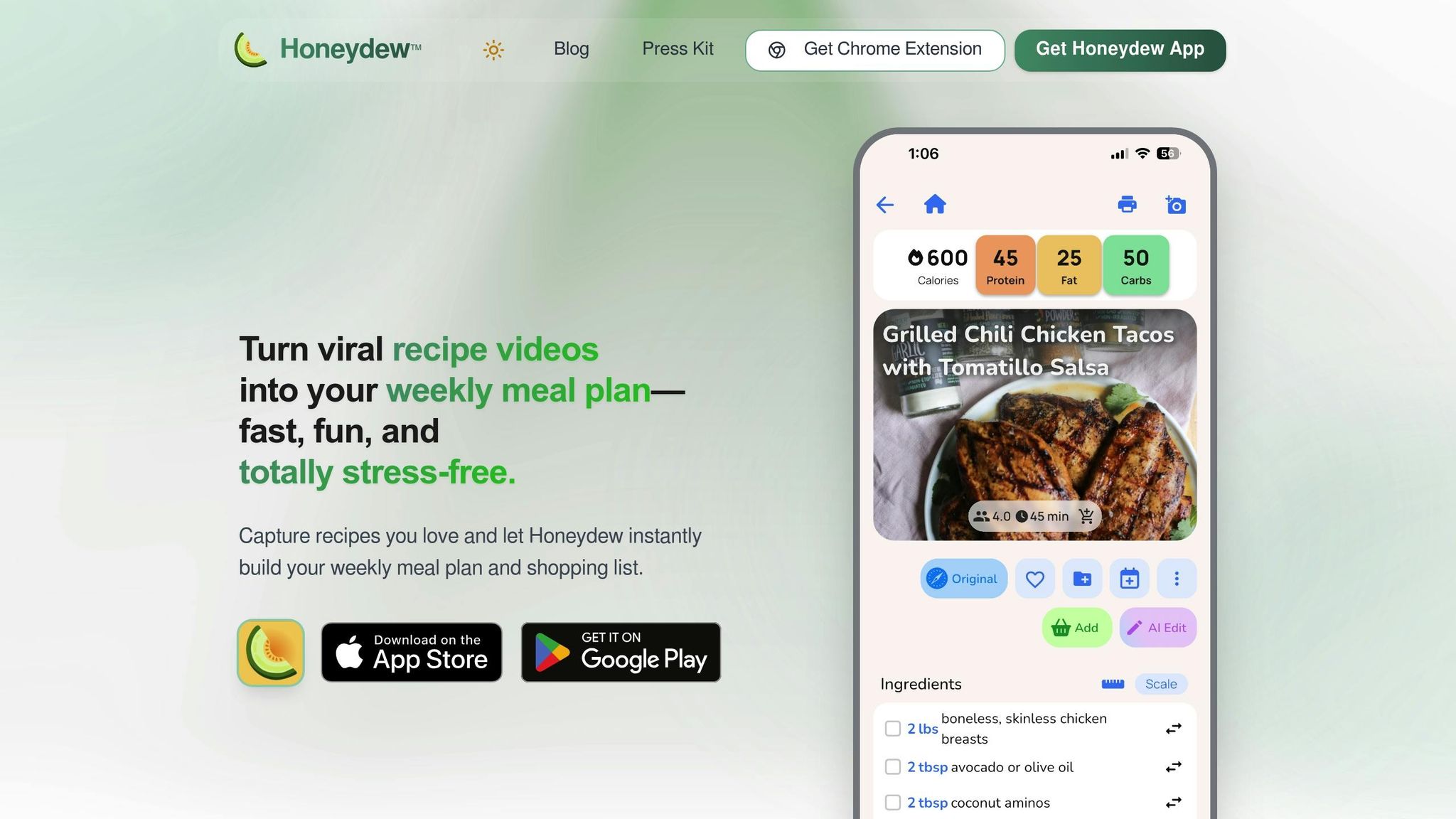
When it comes to French recipes, finding the right butter substitute can be tricky, especially since so many techniques rely on butter's unique properties. Honeydew Recipe Manager steps in with its smart substitution feature, which tailors recommendations based on your cooking method. Whether you're sautéing, finishing a sauce, or baking, the app suggests substitutes that align with your needs - like oils with a high smoke point for sautéing or creamier options for delicate sauces.
Substitution Ratio
French recipes often call for premium-quality butter, but Honeydew Recipe Manager takes the hassle out of substitutions by handling the math for you. It automatically calculates the proper substitution ratios, making it easier to adjust measurements, scale recipes, or switch between imperial and metric units. This automation saves time and ensures accuracy.
Pros and Cons
The app doesn’t just offer generic swaps - it provides method-specific recommendations tailored to French cooking styles. By factoring in moisture levels, fat content, and flavor profiles, it helps maintain the essence of your dish. However, it also acknowledges when traditional butter is irreplaceable for certain classic techniques, giving you guidance on when to stick with the original ingredient for the best results.
Comparison Table
Choosing the right butter substitute depends on your dish and the flavor profile you're aiming for. Each substitute offers different benefits, from smoke points to fat content, and can influence the texture and taste of your recipe. Below is a helpful table summarizing the key traits of each option, along with tips for substitution. Keep in mind that substitution ratios may vary depending on whether you're replacing melted or creamed butter. As Regan Cafiso from Food Network Kitchen explains:
Substituting oil in baked goods that require creaming softened butter and sugar together... yields a finished product that is flatter and denser than usual.
Here’s a quick guide to help you make the best choice for your next French-inspired dish:
| Substitute | Flavor Profile | Best French Cooking Uses | Substitution Ratio | Pros | Cons |
|---|---|---|---|---|---|
| Olive Oil | Savory, peppery | Sautéing vegetables, brushing baguettes, savory cakes | 1:1 (melted butter) | Rich in heart-healthy monounsaturated fats; cholesterol-free | Low smoke point (about 350°F); strong flavor may overpower delicate dishes |
| Coconut Oil | Nutty (virgin) or neutral (refined) | Sautéing and seasoning sauces | 3/4 cup for 1 cup of solid butter; 1:1 for melted butter | Great for vegan desserts; adds crunch in cookies | High in saturated fat (90%); may raise LDL cholesterol like butter |
| Ghee | Rich, nutty, buttery | High-heat frying and searing meats | 1:1 | High smoke point; nearly lactose-free | Contains milk proteins; high cholesterol (around 36 mg per tablespoon) |
| Miyoko's Cultured Vegan Butter | Tangy, creamy (dairy butter-like) | Croissants, puff pastry, tart shells, creaming sugar | 1:1 | Dairy-free; ideal for flaky pastries | Texture and quality can vary depending on the brand |
| Avocado Oil | Mild, slightly buttery | Roasting and high-heat sautéing | 1:1 | High smoke point; subtle fruity flavor | Typically more expensive than other oils |
| Margarine | Neutral, less rich | Large-batch baking, creaming | 1:1 | Affordable; stabilizes cookie shapes | Often processed; may contain dairy derivatives like whey |
| Greek Yogurt | Tangy, tart | Moist cakes, vegetable garnishes | Adjust quantity for moisture needs | Adds protein; lowers fat content | Using too much (over 1 cup) may result in a soggy texture |
| Applesauce | Sweet, fruity | Quick breads, fat-reduced cakes | 1:1 (replaces up to half) | Lowers fat and calorie content | Can create a denser texture; adds noticeable sweetness |
This table offers a quick way to match a substitute to your recipe's needs, especially when working with French cooking techniques.
Note: French butter contains at least 82% butterfat, slightly higher than the U.S. standard of 80%. This difference can significantly impact the flavor and texture of dishes. For recipes where butter's properties are crucial - like classic beurre blanc or laminated pastries - traditional butter might still be your best bet.
Conclusion
Whether you're out of butter, managing dietary restrictions, or exploring healthier options, these substitutes offer practical solutions for a variety of French cooking techniques. The trick lies in pairing the right substitute with the specific cooking method - ghee for high-heat searing up to 485°F, olive oil for savory sautés, Miyoko's Cultured Vegan Butter for flaky pastries, or Greek yogurt for moist, tender cakes.
French butter, with its minimum 82% butterfat content compared to the U.S. standard of 80%, may require slight adjustments in recipes due to the difference in fat composition. For dishes where butter's unique qualities are irreplaceable - like a classic beurre blanc or laminated croissant dough - traditional butter remains the gold standard. However, for most everyday French recipes, these alternatives perform wonderfully.
When swapping out butter, keep three important factors in mind: the substitute's smoke point for your cooking temperature, its flavor profile, and whether your recipe needs a solid or liquid fat to achieve the desired texture. These considerations can make substitutions a breeze with the right tools.
For an even smoother experience, Honeydew Recipe Manager simplifies ingredient substitutions with its smart features. Missing butter for a French recipe? The app suggests substitutes tailored to your dish and automatically adjusts ratios. You can import recipes from TikTok, Instagram, YouTube, or any website, and its AI assistant will recommend the best alternative for your technique - whether you're making a roux, searing duck breast, or baking madeleines. Plus, its meal planning feature helps you create weekly French menus while factoring in dietary needs and pantry limitations.
FAQs
What’s the best alternative to butter for high-heat French cooking?
For high-heat French cooking, clarified butter (ghee) is a fantastic option. With its higher smoke point, it’s perfect for sautéing or frying without the risk of burning, all while preserving that deep, buttery taste.
For non-dairy alternatives, olive oil is a solid pick. It performs well under moderate to high heat and brings a hint of Mediterranean flair to your meals. If you prefer something with a neutral flavor, avocado oil is worth considering. It boasts a high smoke point and works seamlessly across a wide range of recipes.
Can I substitute olive oil for butter when baking French pastries?
Yes, you can swap out butter for olive oil in certain French pastries, but it’s crucial to think about how it will affect both flavor and texture. Olive oil shines in recipes like olive oil cakes or tarts, where its unique taste adds depth to the dish. Stick with a mild, high-quality olive oil to ensure the flavor doesn’t overpower the pastry. Also, keep in mind that olive oil is more liquid than butter, so you’ll need to adjust the measurements slightly. This substitution works best in recipes that don’t depend on butter for creating flakiness or structure - so it’s not the best choice for things like croissants or puff pastry.
What happens to the texture of French baked goods when you use Greek yogurt instead of butter?
Greek yogurt can be a fantastic butter substitute in French baked goods, offering a way to make them softer and more tender. It brings moisture to the recipe along with a subtle tang that elevates the overall flavor without taking over. Plus, its slight acidity helps cut through sweetness, creating a more balanced and nuanced taste in your pastries.