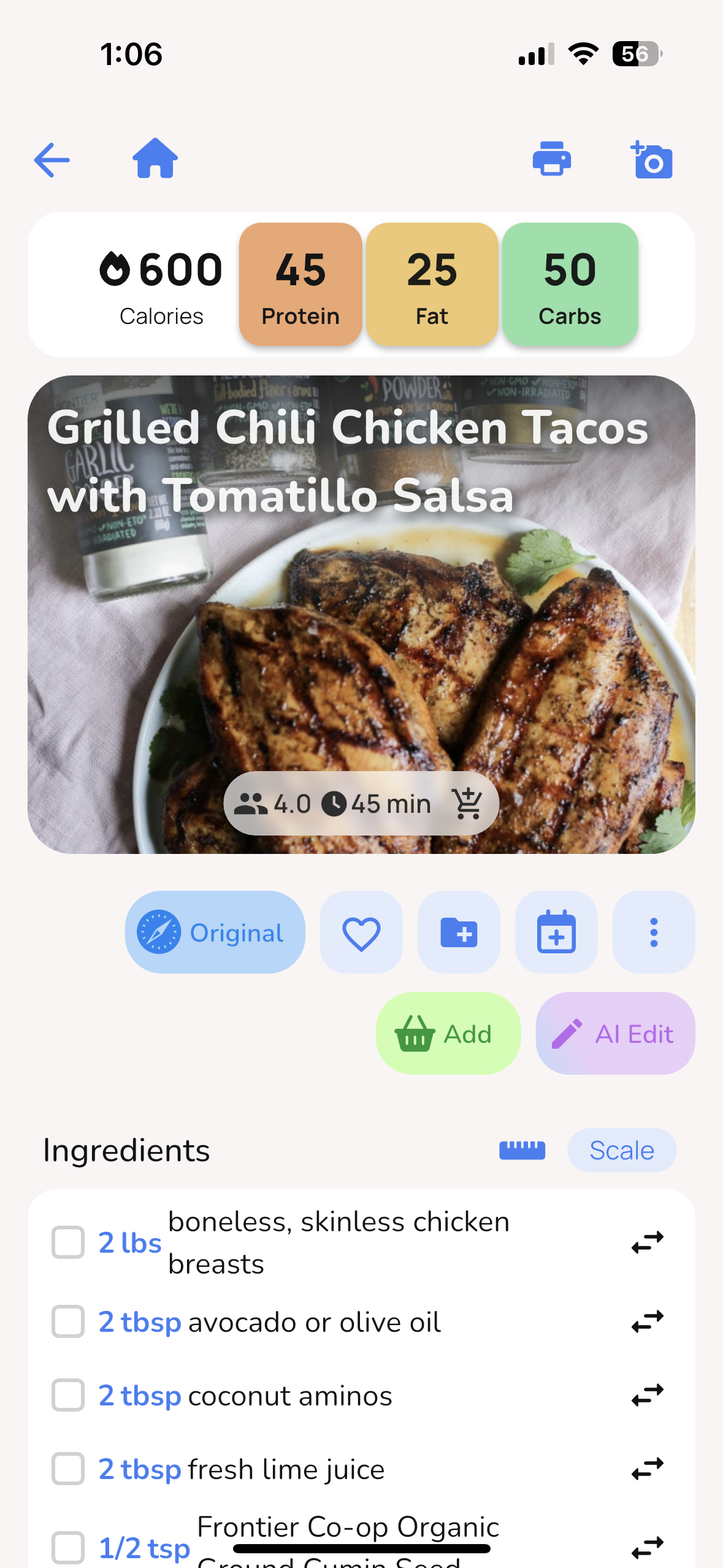
Gluten-Free Ingredient Swaps for Family Meals
• Updated
Switching to gluten-free cooking doesn't mean giving up your favorite family meals. With simple ingredient swaps, you can create safe, delicious dishes that everyone will enjoy. Here's how:
- Flour Alternatives: Use oat, almond, chickpea, or rice flour for baking and breading.
- Pasta Substitutes: Try chickpea pasta, rice noodles, or spiralized vegetables.
- Grains: Replace wheat-based options with quinoa, millet, or cauliflower rice.
- Sauces: Swap soy sauce for tamari or coconut aminos, and thicken with cornstarch instead of wheat flour.
- Bread Crumbs: Use crushed gluten-free crackers or nuts.
For baking, gluten-free flour blends with xanthan gum work well. Tools like Honeydew Recipe Manager simplify meal planning by suggesting gluten-free recipes and substitutions based on your pantry. With these tips, gluten-free cooking becomes straightforward and family-friendly.
Gluten-Free Basics & Beyond | GF Tips, Ingredient Swaps, Guides, Recipes from America's Test Kitchen
Gluten-Free Flour Substitutions
Finding diet-friendly flour swaps doesn’t have to be complicated. The trick lies in knowing which flours work best for specific recipes and how to combine them for the right texture and flavor.
Single-Ingredient Flour Options
Oat flour is a fantastic alternative to wheat flour. Lindsay Grimes, author of Something Sweet, shares:
"If I'm trying to sub a regular traditional flour, I tend to grab oat flour since that mimics wheat flour beautifully."
It has a naturally sweet, creamy flavor and creates a soft, pillowy texture. For reference, one cup of oat flour weighs about 100 grams, compared to almond flour’s 120 grams.
Almond flour, with its rich, nutty flavor, shines in recipes like cookies and pie crusts. It adds moisture and a dense crumb but doesn’t rise as much as wheat flour because of its higher fat and protein content. When using almond flour, start by substituting just 1/4 cup of the total flour to avoid altering the texture too much.
For savory dishes, chickpea flour (also called garbanzo bean flour) is a great choice. It lends a mild bean flavor and creates a sturdy texture, making it ideal for fritters, flatbreads, or breading. On the other hand, rice flour is a versatile option. Brown rice flour adds structure with a nutty undertone, while white rice flour is lighter and more neutral. To avoid grittiness, choose superfine rice flour or pair it with tapioca starch.
Gluten-Free Flour Blends
Sometimes, combining flours in a blend works better than using just one. Making your own all-purpose blend gives you control over the texture and can save money. A common ratio is the 60/40 rule: 60% whole-grain flours for structure and protein, and 40% starches for lightness and binding. For example, a simple DIY blend might include:
- 4 cups superfine brown rice flour
- 1 1/3 cups potato starch
- 2/3 cup tapioca flour
- 4 teaspoons xanthan gum
Homemade blends cost around $0.21 per ounce, compared to $0.45 for store-bought options.
For breading and frying, single-ingredient flours like rice flour or cornstarch work well as a 1:1 substitute for coating meats or vegetables. Store your blends in airtight containers in a cool, dark spot for up to 3–4 months. To extend the shelf life of nut-based flours, freeze them for up to a year.
Adding Xanthan Gum and Guar Gum
Binding agents like xanthan gum and guar gum are essential for gluten-free baking. These ingredients replicate the elasticity of gluten, helping dough rise and preventing it from crumbling. Use about 1 teaspoon per cup of flour blend for breads and pizza dough, and up to 1/4 teaspoon per cup for cookies or biscuits. Be sure to check commercial mixes, as they may already include these gums.
To avoid clumping, mix the gums thoroughly with your dry ingredients before adding any liquids. Frank Tegethoff, Research and Development Specialist at King Arthur Baking Company, emphasizes:
"I think the most important of the substitution rules is only replace one structural ingredient at a time: wheat flour, sugar, eggs, milk, etc."
Next, dive into gluten-free grain and rice alternatives to broaden your cooking repertoire. You can also use a smart meal planning tool to organize these new ingredients into your weekly routine.
Gluten-Free Grain and Rice Swaps
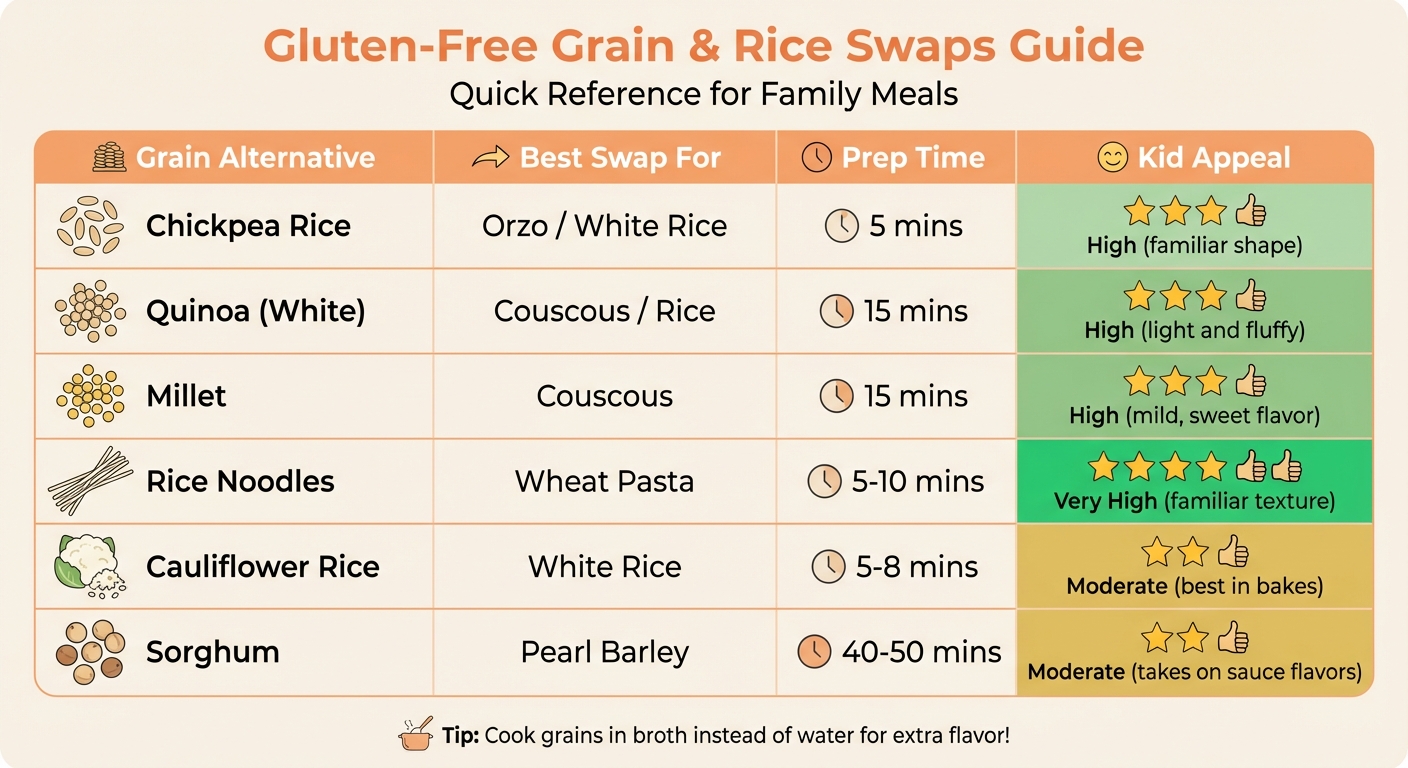
Gluten-Free Grain Substitution Guide: Cooking Times and Kid Appeal
Grain Substitution Options
Rice is a gluten-free staple that comes in various types like white, brown, jasmine, and basmati. White rice is quick to prepare, taking about 20 minutes, and has a neutral flavor that pairs well with most dishes. Brown rice, while taking longer to cook (around 40 minutes), offers more nutrients, with 25% more protein and six times the fiber compared to white rice.
Quinoa is another excellent choice, especially since it’s a complete protein, containing all nine essential amino acids. It cooks in just 15 minutes and works as a substitute for couscous or rice. To avoid a bitter taste, rinse quinoa in a fine-mesh sieve before cooking to remove its natural coating of saponins.
For a mild and slightly sweet flavor, millet is a great option. According to the Gluten Intolerance Group:
"Millet is a tasty, versatile, and nutrient-dense grain that is worth trying, even though you may know it best as an ingredient in birdseed".
Millet cooks in about 15 minutes and has a fluffy texture that’s often a hit with picky eaters. On the other hand, sorghum offers a chewy texture similar to pearl barley but requires a longer cooking time of 40–50 minutes.
If you’re looking for a low-carb alternative, cauliflower rice is a fantastic option. It has just 25 calories and 5 grams of carbohydrates per cup, compared to the 216 calories and 45 grams in brown rice. It mimics the look and feel of white rice and absorbs flavors from any dish. For pasta lovers, rice noodles provide a familiar texture and cook quickly in about 5–10 minutes.
Preparation Time and Kid Appeal
Cooking grains in broth instead of water can make them more flavorful and appealing to kids. Chickpea rice, for instance, cooks in just 5 minutes and has a neutral flavor similar to orzo. As A Nourishing Plate notes:
"Grains (gluten-free or not) tend to be pretty bland on their own. Adding seasoning to the water will really help flavor it during the cooking time".
To enhance flavor further, toasting grains like millet or amaranth in a dry pan for a few minutes before adding liquid creates a nuttier, richer taste.
For creamy, comforting textures, polenta and grits are fantastic options. Polenta, in particular, can be cooled and sliced into wedges, serving as a fun alternative to lasagna noodles. When making gluten-free pasta, cooking it slightly less than the recommended time on the package helps prevent it from becoming mushy.
| Grain/Alternative | Best Swap For | Prep Time | Kid Appeal |
|---|---|---|---|
| Chickpea Rice | Orzo / White Rice | 5 mins | High (familiar shape) |
| Quinoa (White) | Couscous / Rice | 15 mins | High (light and fluffy) |
| Millet | Couscous | 15 mins | High (mild, sweet flavor) |
| Rice Noodles | Wheat Pasta | 5–10 mins | Very High (familiar texture) |
| Cauliflower Rice | White Rice | 5–8 mins | Moderate (best in bakes) |
| Sorghum | Pearl Barley | 40–50 mins | Moderate (takes on sauce flavors) |
These swaps make it easier to create gluten-free meals that are both nutritious and appealing, even for picky eaters. With a little creativity, you can turn these grains and alternatives into dishes that everyone at the table will enjoy.
Gluten-Free Protein and Vegetable Options
Legumes and Quinoa as Protein Sources
Quinoa stands out as one of the rare plant-based foods that provide all nine essential amino acids, making it a complete protein. Patty Maguire, a culinary expert at Naturally Gluten-Free, explains:
"Quinoa is one of the few plant foods that is a complete protein source. This means it contains all 9 essential amino acids necessary for building and repairing tissues".
A single cup of cooked quinoa contains 8 grams of protein, making it a versatile option for gluten-free meals. You can use it as a substitute for noodles in soups or as a base for chili. Just be sure to rinse it thoroughly using a fine sieve before cooking to remove the naturally bitter saponin coating.
Legumes are another excellent way to boost both protein and fiber in your meals. Chickpeas, black beans, and lentils can be easily incorporated into one-pot dishes. For example, toss chickpeas into a quick stir-fry with bell peppers and zucchini, or add kidney beans to a hearty quinoa chili with butternut squash. If you're pressed for time, canned beans are a convenient alternative to dried ones. For families with picky eaters, try finely chopping vegetables to blend them into the dish, or let kids get involved by counting chickpeas or sorting colorful veggies - it makes dinnertime more fun.
For an even bigger protein boost, consider red lentil pasta, which provides about 20 grams of protein per serving. It’s a great choice for creamy one-pot recipes. As noted by Mom's Meals:
"Pastas made from legumes get bonus points because they have more protein, fiber and minerals than wheat pasta".
Vegetable-Based Pasta Alternatives
If you’re looking for gluten-free pasta substitutes, spiralized zucchini (zoodles) and spaghetti squash are excellent options that work well with a variety of sauces. Nutritionally, one large raw zucchini has about 55 calories and 10 grams of carbs, while a cup of spaghetti squash contains 42 calories and 10 grams of carbs.
Ali Maffucci, founder of Inspiralized, highlights their appeal:
"Spiralized veggies are the most pasta-like alternatives!".
To get the best flavor and texture, sauté spiralized zucchini until lightly browned, which enhances its taste. For spaghetti squash, roasting it until the strands are firm (not mushy) ensures a more pasta-like consistency. If you’re short on time, you can even roast spaghetti squash in a pressure cooker in under 15 minutes. For a fun twist, try serving "zucchini boats" or lasagna inside a halved spaghetti squash - kids often enjoy the interactive presentation.
These creative gluten-free swaps not only simplify meal planning but also make it more enjoyable for the entire family.
Using Honeydew Recipe Manager for Gluten-Free Cooking
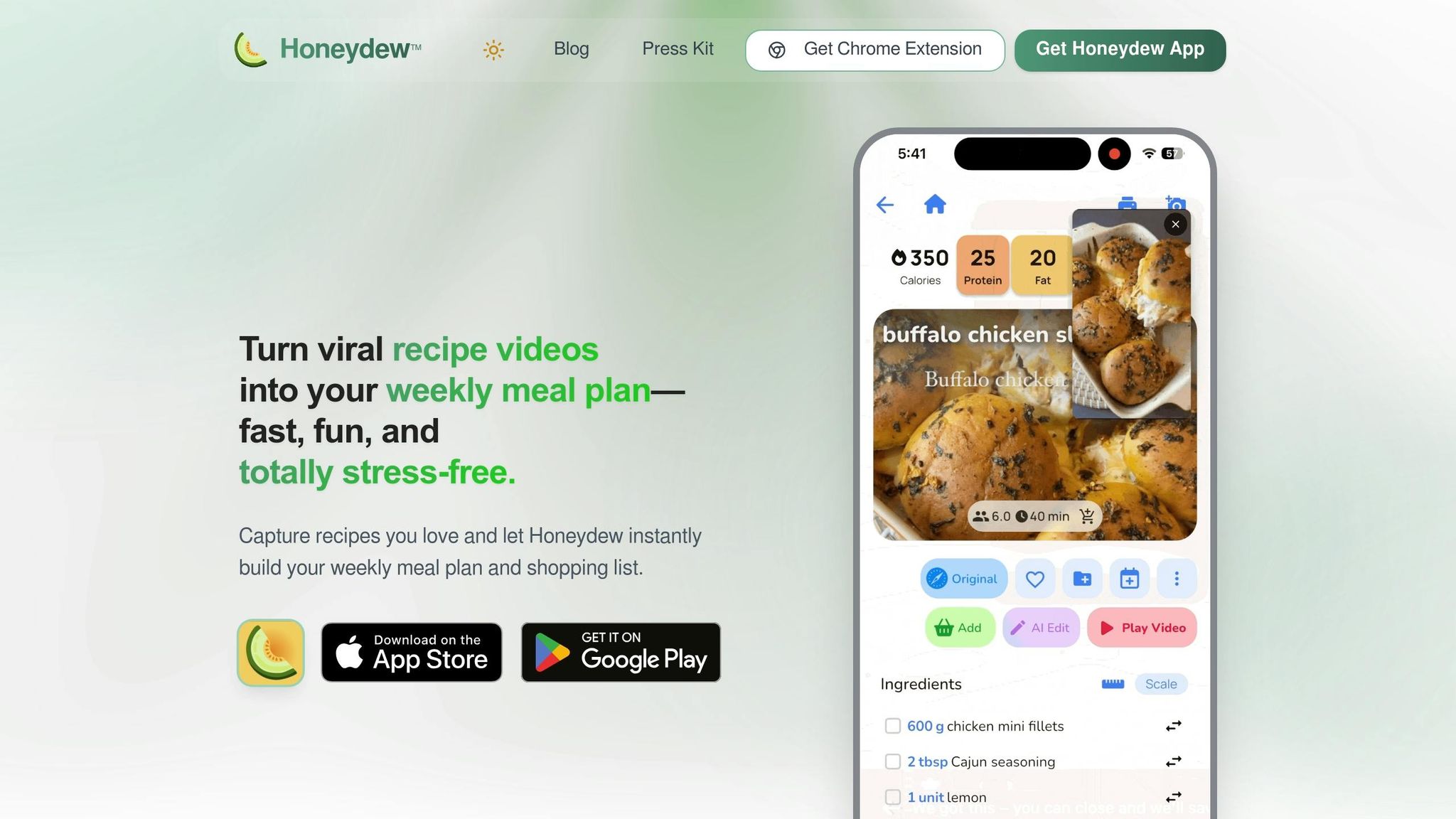
Modern tools like Honeydew Recipe Manager make gluten-free cooking simpler and more accessible, building on the ingredient swaps already discussed.
Smart Ingredient Substitution Feature
Honeydew Recipe Manager takes the hassle out of adapting recipes. Just type "convert this recipe to gluten free" into its "Ask Honey" AI assistant, and the app adjusts the ingredients and instructions for you. Introduced in version 1.4.0 in June 2025, this feature even works with recipes imported from platforms like YouTube, TikTok, or Instagram, making it incredibly versatile.
Another standout feature is Pantry Mode, which uses your phone's camera to scan your pantry or fridge. It suggests recipes based on what you have and identifies gluten-free substitutes when needed. This tool is perfect for crafting family-friendly, gluten-free meals with minimal effort.
AI Meal Planning for Gluten-Free Diets
The app’s AI meal planner creates personalized weekly menus tailored to your family’s dietary needs, whether gluten-free, keto, vegan, or high-protein. It's especially helpful for families with picky eaters or specific allergies, offering balanced meal plans that even kids will enjoy. Plus, it suggests recipes using ingredients already in your pantry, so you’re not constantly running to the store.
With the household sharing feature, up to six family members can sync their meal plans in real time. Kids and teens can even pick their favorite gluten-free meals for the week, making dinner planning a collaborative effort. Users consistently give the app a perfect 5-star rating on the Apple App Store, often praising the household sharing feature for its role in keeping busy families organized.
These meal plans work hand-in-hand with your substitution strategies, simplifying grocery shopping and meal prep.
Grocery Lists and Instacart Integration
After setting your gluten-free meal plan, Honeydew automatically generates a grocery list organized by aisle. You can customize the list by skipping ingredients you don’t need, ensuring you only buy the gluten-free items required. The list syncs across all your devices for added convenience.
For even smoother shopping, the app integrates with Instacart, allowing you to order ingredients with a single click. If something is out of stock, it suggests alternatives, so you never have to worry about missing key items. By combining precise ingredient swaps with smart shopping features, Honeydew makes gluten-free cooking stress-free and efficient.
Conclusion
Main Gluten-Free Substitutions
Adjusting family meals for a gluten-free diet doesn’t have to be overwhelming. The key is knowing a few simple swaps. For baking, 1-to-1 gluten-free flour blends are your go-to. When it comes to pasta, options like rice noodles or chickpea pasta step in seamlessly. For side dishes, try quinoa, buckwheat, or cauliflower rice as naturally gluten-free alternatives. Need a breadcrumb replacement? Crushed gluten-free crackers or nuts do the trick for coating chicken or binding meatballs. And for tacos or wraps, corn or cassava tortillas are excellent substitutes.
In sauces and stir-fries, replace soy sauce with tamari or coconut aminos, and use cornstarch or arrowroot instead of wheat flour to thicken. One tip: measure gluten-free flour by weight for accuracy, and include a teaspoon of xanthan gum to help ingredients bind properly.
How Honeydew Simplifies Gluten-Free Cooking
With these substitutions in mind, managing gluten-free meals becomes even easier with tools like the Honeydew Recipe Manager. This app takes the guesswork out of meal planning by allowing you to convert any recipe to gluten-free with help from its AI assistant. Honeydew’s Pantry Mode scans what you already have at home and suggests gluten-free recipes, saving you from unnecessary trips to the store.
The app also syncs grocery lists across devices, organizing gluten-free ingredients by aisle. Plus, with Instacart integration, you can order everything online in one click, and if something is unavailable, Honeydew suggests alternatives. For just $4.17 per month, Honeydew Plus offers unlimited recipe storage, advanced meal planning, and household sharing. It’s an easy way to turn gluten-free cooking from a challenge into a smooth, stress-free routine.
FAQs
How can I avoid cross-contamination at home?
To avoid cross-contamination, set aside specific tools and spaces exclusively for gluten-free foods. This means using separate sponges, towels, and utensils in gluten-free areas. Make sure to clean everything thoroughly with soap and water. While gluten can’t make someone sick through skin contact - only by being consumed - gloves are optional. The key to maintaining a safe gluten-free environment is regular cleaning and keeping gluten-containing items well-separated.
Why did my gluten-free baked goods turn out gummy or dry?
Gluten-free baked goods can sometimes turn out gummy or dry, and this usually comes down to ingredient ratios or technique. Common problems include skipping binding agents like xanthan gum, misjudging moisture levels, or overbaking. To get a better texture, stick closely to gluten-free recipes, measure your ingredients with precision, and consider small tweaks - like adding an extra egg or a bit more oil - to improve moisture and structure.
What are the best kid-friendly gluten-free swaps for pasta night?
For a kid-approved gluten-free pasta night, consider using legume-based pastas made from beans, lentils, or peas. These options pack a punch with protein and fiber, and they often win over younger taste buds. Another great choice is rice noodles - naturally gluten-free and incredibly versatile. For a fun and nutritious twist, try spiralized vegetable noodles like zucchini zoodles. They're easy to make at home and add a fresh, wholesome touch to your meal. These swaps are simple to prepare and perfect for family dinners.