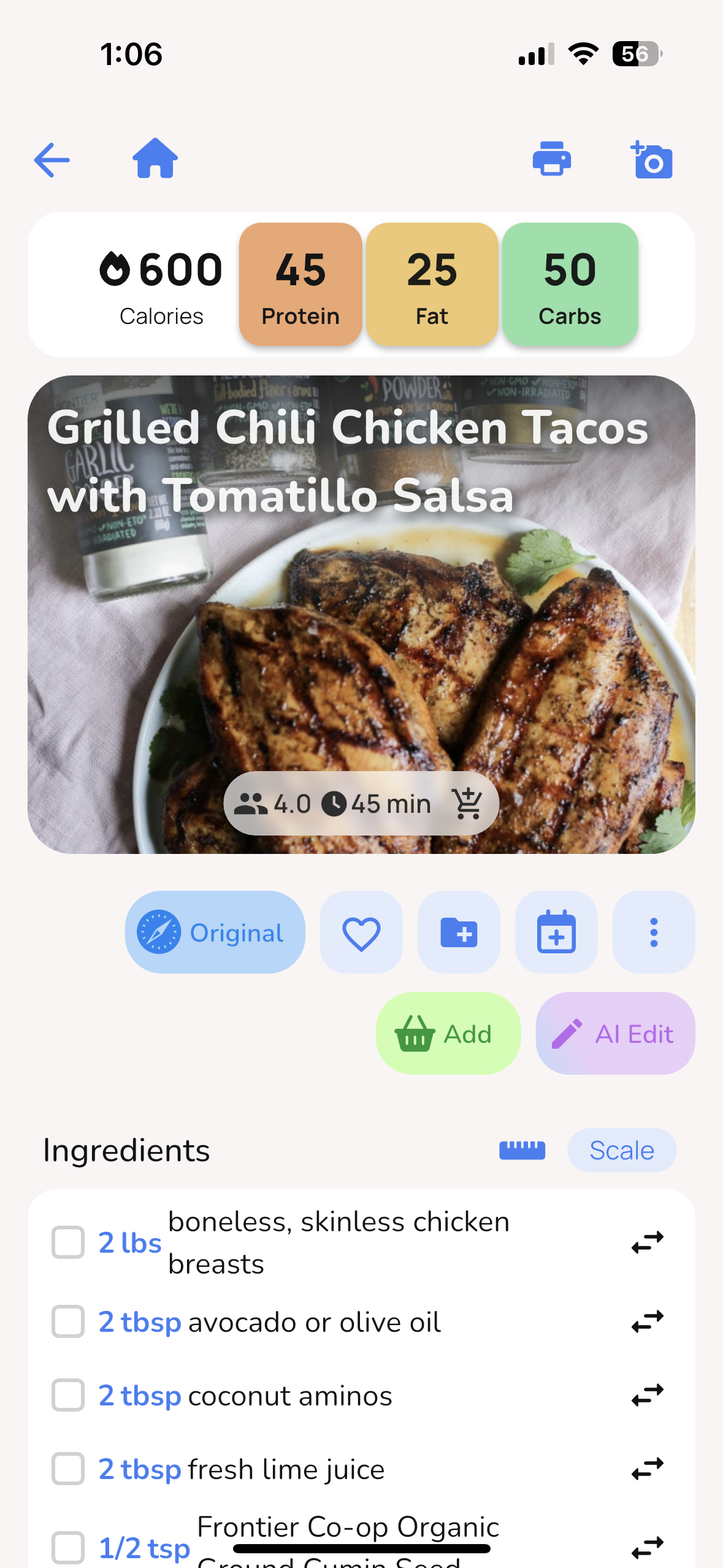
How to Involve Kids in Meal Planning
• Updated
Getting kids involved in meal planning is a smart way to teach them life skills, encourage healthier eating habits, and create meaningful family moments. By letting them participate in choosing recipes, grocery shopping, and cooking, you help them build confidence, try new foods, and learn practical skills like budgeting and reading nutrition labels. Here’s how you can make meal planning a fun, age-appropriate activity for your kids:
- Ages 3–5: Simple tasks like washing fruits, tearing lettuce, and counting items during shopping.
- Ages 6–8: Basic cooking skills such as cracking eggs, measuring ingredients, and making sandwiches.
- Ages 9–12: More advanced tasks like chopping vegetables, following recipes, and comparing prices at the store.
- Teens: Full meal preparation, from planning to cooking and serving.
Tips for success:
- Choose a regular day for family meal planning, like Saturday mornings.
- Use themes like "Taco Tuesday" to make meals fun and structured.
- Let kids pick one recipe a week to keep them engaged.
- Turn grocery shopping into an educational activity with scavenger hunts and price comparisons.
To make the process easier, tools like Honeydew Recipe Manager can help organize recipes, create grocery lists, and even teach kids about balanced meals. Start small, involve everyone, and watch as meal planning becomes a rewarding family tradition.
How I'm Feeding My Kids All Summer Without Losing My Mind!
Why Kids Should Help Plan Meals
Getting kids involved in meal planning does more than just lighten your workload - it fosters healthier habits, teaches valuable skills, and strengthens family connections. Here's a closer look at how this simple activity can make a big impact.
Encouraging Healthier Food Choices
When kids take part in planning meals, they’re more likely to explore and embrace new foods. Picking out ingredients and helping prepare meals sparks their curiosity and makes them excited to try different flavors.
"Bringing your kids into the kitchen with you will help teach them lifelong skills and habits to keep them healthy for good!" - American Heart Association
Meal planning also becomes a hands-on lesson in nutrition. As you prepare meals together, you can talk about the benefits of different food groups - like how dairy supports strong bones, protein fuels the body, and fruits and vegetables provide important vitamins and fiber. These conversations can teach kids how to read nutrition labels and make smarter choices at the grocery store.
Building Life Skills Through Meal Planning
Meal planning isn’t just about food; it’s also a great way to teach practical skills. Whether it’s reading recipes, creating shopping lists, or measuring ingredients, kids practice reading, math, and even budgeting. Comparing prices at the store or following a recipe step-by-step helps sharpen their ability to plan and multitask. Plus, they gain an understanding of food safety basics, which is a lesson they’ll carry with them for life.
Bringing Families Closer Together
One of the best parts of meal planning is how it strengthens family bonds. Cooking together creates opportunities to share stories, pass down traditions, and make lasting memories. Assigning age-appropriate tasks - like washing vegetables, measuring ingredients, or setting the table - gives kids a sense of responsibility and shows them their contributions matter. Letting them choose a side dish or pick a new vegetable to try empowers them and builds their confidence.
What Kids Can Do at Different Ages
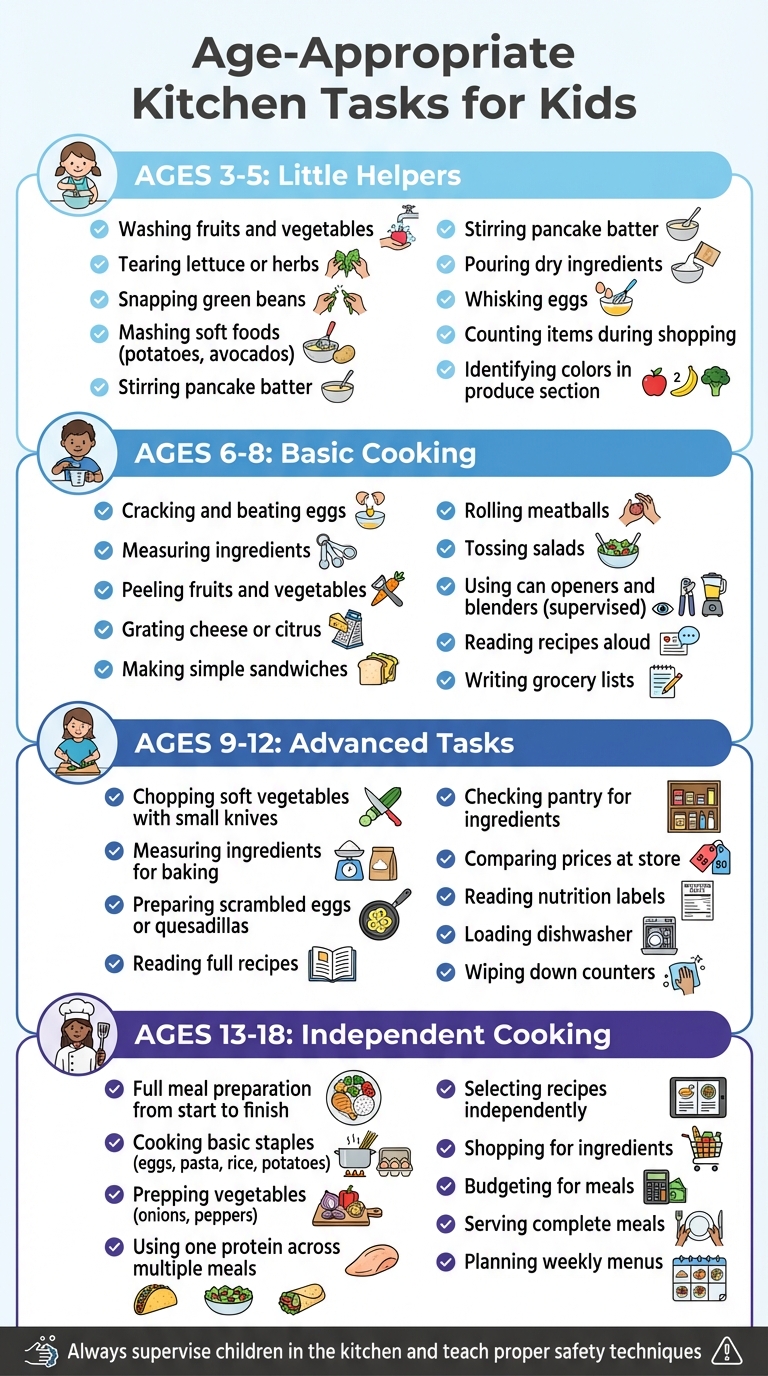
Age-Appropriate Kitchen Tasks for Kids: Ages 3-18
Getting kids involved in meal planning and preparation can be both fun and educational. By assigning tasks that match their age and abilities, you can teach them valuable skills while keeping the process safe and engaging. Here's a breakdown of what kids can do at different stages and how to make the experience enjoyable for everyone.
Ages 3–5: Simple Tasks for Little Helpers
Preschoolers love being included in hands-on activities, especially in the kitchen. At this age, they can take on easy tasks like washing fruits and vegetables, tearing lettuce or herbs, snapping green beans, and mashing soft foods like potatoes or avocados. Stirring pancake batter, pouring dry ingredients, and whisking eggs are also great ways to help them develop motor skills.
"Involving kids in the kitchen does not have to be stressful... give them quick and easy jobs to keep their attention."
– Stephanie Marino, Michigan State University Extension
Turn grocery shopping into a fun learning experience by asking them to identify colors or count items. Let them choose one new fruit or vegetable each week to try at home. To make handwashing more enjoyable, sing "Happy Birthday" twice to hit the recommended 20 seconds.
Ages 6–8: Stepping Up with Basic Cooking Tasks
Kids in this age group are ready for slightly more advanced responsibilities, with supervision. They can crack and beat eggs, measure ingredients, peel fruits and vegetables, and grate items like cheese or citrus. They’re also capable of making simple sandwiches, rolling meatballs, tossing salads, and using basic tools like can openers and blenders.
Incorporate learning into their activities. Have them read recipes aloud, write grocery lists, or use measuring cups to practice math skills. For a fun twist, try a "Food Critic" game where they pick a new food, taste it, and rate it like a professional reviewer. Always remind them about safety, like turning pan handles inward and using clean spoons for tasting.
Ages 9–12: Tackling More Advanced Tasks
Preteens are ready for more complex kitchen duties. With guidance, they can use small knives to chop soft vegetables, measure ingredients for baking, and prepare simple dishes like scrambled eggs or quesadillas. They can also read full recipes, check the pantry for ingredients, and add items to the grocery list.
At the store, involve them in comparing prices and reading nutrition labels to help them understand budgeting and healthy eating. Preteens can also handle cleanup tasks like loading the dishwasher or wiping down counters, reinforcing the idea that cooking involves more than just making the meal.
Teens: Cooking with Independence
Teenagers are capable of managing meals from start to finish. Start by ensuring they can cook basic staples like eggs, pasta, rice, and potatoes, and teach them how to prep vegetables like onions and peppers. Show them how to use one protein across multiple meals - like roasted chicken for tacos, pasta, or salads.
"Teens - and children in general - are more likely to try new foods when their hands helped to create that meal. They have more of a personal investment when they get to participate."
– Tyler Florek, Registered Dietitian, Banner Health
Encourage teens to take charge of the entire meal process on certain days, from selecting recipes to cooking and serving. You might even let them shop for ingredients on their own to build budgeting skills. While fostering independence, check in occasionally to ensure they’re making balanced choices, and inspire them with cooking shows to explore new techniques.
How to Start Meal Planning with Your Family
Creating a regular meal planning routine is a great way to bring the family together and make everyone feel involved in what’s on the table. It’s not just about deciding what to eat - it’s about teaching kids important life skills while making the process enjoyable. Here’s how you can set up a system that works for your family.
Pick a Regular Planning Day Each Week
Set aside a specific day and time each week for the family to plan meals together. Many families find that Sunday afternoons or Saturday mornings are ideal, giving everyone a chance to map out the week ahead. Put this time on your calendar to make it a priority.
"When you block time, it's easier to follow through. And it may make your shopping trip go faster."
– Nemours KidsHealth
Get the kids involved by having them check the pantry and fridge for what’s already available. This small task helps them feel included and teaches them to take stock of what’s on hand.
Make It Fun with Meal Themes
Adding weekly meal themes can simplify decision-making and keep things exciting for kids. Think Taco Tuesday, Meatless Monday, or Breakfast for Dinner. These themes provide structure while leaving room for creativity. For example, one week could be fish tacos, and the next could feature chicken tacos. Let the kids brainstorm variations - they’ll love contributing their ideas, and it keeps meals interesting without starting from scratch every week.
Let Kids Pick the Recipes
A great way to get kids excited about meal planning is to let them choose at least one meal each week. According to the American Heart Association, this approach encourages children to try new foods. Set some basic guidelines to ensure balanced meals, like including a protein, a vegetable, and a whole grain, or aiming for a colorful plate.
"Empower your kids to plan the family menu for at least one meal each week. Set some rules."
– American Heart Association
Kids can find inspiration in library cookbooks, YouTube cooking shows, or recipe apps like Honeydew Recipe Manager, which hosts about 270,000 recipes every month. Younger kids might enjoy flipping through picture-heavy cookbooks, while older ones can search by ingredients or cuisines. Even children’s books can introduce new foods before they make their way onto the menu.
Build Grocery Lists as a Team
Once you’ve chosen recipes, work together to create the grocery list. Younger kids can practice handwriting by jotting down items, while older children can help organize the list into categories like produce, dairy, and meat. This not only reinforces reading and math skills but also teaches them how to plan effectively.
Have your kids check what’s already in the kitchen and add any missing ingredients to the list. Tools like Honeydew Recipe Manager can make this step even easier by generating shopping lists directly from saved recipes. One user shared:
"The smart grocery lists save me hundreds of dollars a month. I love how it suggests recipes based on what I already have!"
– James L.
To keep things interesting, encourage your kids to pick one new fruit or vegetable each week to try. This helps expand their taste buds gradually, and it’s worth noting that kids often need to try a new food several times before deciding if they like it.
Making Grocery Shopping Educational and Fun
Grocery shopping can double as a hands-on learning experience for kids. DeeBee's Organics highlights this by saying, "Grocery shopping provides children with learning opportunities and parents with teaching moments". Before heading out, it’s helpful to set clear expectations about behavior and budget to keep things smooth. Choosing a time when the store is less crowded and your kids are well-rested and fed can also make a big difference. By incorporating interactive tasks, grocery trips can evolve from routine errands into engaging, skill-building adventures.
Play Ingredient Scavenger Hunts
Why not turn your shopping list into a treasure hunt? Hand it over to your kids and let them track down the items, crossing them off as they go. For younger children, you can make it even simpler - ask them to find something orange in the produce section or locate a specific shape or texture. Older kids can tackle more detailed tasks, like finding specific ingredients on their own. This activity not only keeps them entertained but also turns them into "accountability partners", helping you stick to your list and avoid impulse buys.
Encourage your kids to explore the textures and aromas of different foods while shopping - it’s a great sensory experience. To add another layer of learning, introduce price comparisons. This not only makes the activity more engaging but also teaches valuable skills.
Teach Price Comparison and Nutrition Labels
The grocery store serves as an ideal setting to introduce financial literacy and nutrition basics. Older kids can learn to spot sales, calculate price-per-ounce, and understand how to make budget-friendly choices. For example, if asparagus is discounted but broccoli isn’t, you can show them how swapping items saves money while keeping meals nutritious. Letting kids add up prices as you shop reinforces math skills and gives them a better grasp of budgeting.
You can also make them "label detectives." Have them compare similar products to see which has less sodium, fewer added sugars, or more whole grains. The American Heart Association notes, "Having your kids go with you to the grocery store helps them learn about the variety of foods available, see how meals are made from the different food groups and begin to understand a budget. It's also a great time to talk about what makes some foods healthier than others". For older kids, turn it into a game - challenge them to find hidden ingredients like added sugars in canned fruits, cereals, or flavored yogurts.
Try One New Food Each Week
Make trying new foods exciting by turning it into a "Food Critic" activity. Let your kids evaluate the flavor, texture, and appearance of a new item each week. Once you’re home, create a fun rating system for them to score the food. MyPlate.gov points out that "Kids are more likely to try new foods when they take the lead". Keep in mind, it might take up to 15 tries before a child accepts a new food. To keep the experience positive, allow them to spit out foods they don’t like into a napkin - this low-pressure approach reduces anxiety and makes trying new things more enjoyable.
Using Honeydew Recipe Manager for Family Meal Planning

When it comes to family meal planning, smart tools like Honeydew Recipe Manager can make all the difference. With busy schedules, keeping everyone fed and happy can feel like a juggling act, but Honeydew simplifies the process. From discovering recipes to organizing grocery lists, it’s designed to bring families closer around the dinner table. With users saving around 270,000 recipes every month, it's clear that this app is helping families streamline their meal prep routines. Let’s dive into how Honeydew makes recipe saving and grocery shopping easier.
Import Recipes and Generate Shopping Lists
These days, kids are finding recipes from platforms like TikTok and Instagram. With Honeydew, they can save these recipes using the app’s Share Sheet feature or even by snapping a quick photo. The app’s AI transforms these into neatly structured recipes, complete with ingredients and step-by-step instructions. As one user, David K., put it:
"Honeydew has made meal planning fun again. The interface is intuitive and the suggestions are accurate!"
Once recipes are saved, Honeydew takes it a step further by creating grocery lists organized by store sections. No more scribbling down ingredients or juggling different tools. It even turns shopping into a fun activity with features like scavenger hunts. For families watching their spending, the app helps stretch the budget. James L., another user, shared:
"The smart grocery lists save me hundreds of dollars a month. I love how it suggests recipes based on what I already have!"
AI Meal Plans and Ingredient Swaps
Beyond recipe organization, Honeydew’s AI meal planner can map out a full week of meals in just seconds. It’s a game-changer for families struggling with the daily “What’s for dinner?” question. This tool also makes it easy to teach kids about balanced nutrition and variety. If you’re missing an ingredient or need to adjust for allergies, the app suggests alternatives - like swapping out asparagus for broccoli when one is more affordable. Younger kids can even get involved by using the barcode scanner to track pantry items, making meal planning a family activity.
Share Meal Plans with the Whole Family
For larger households, Honeydew Plus offers a budget-friendly solution at $4.17 per month (billed annually at $39.99). Up to six family members can share access to meal plans and grocery lists, all synced in real-time. This means everyone can see updates as items are added or checked off, keeping the entire family on the same page. Alex P., a parent of five, shared their experience:
"My family of five uses Honeydew for all our meal planning. The household sharing feature keeps everyone organized."
This collaborative approach not only keeps things running smoothly but also teaches kids responsibility and makes grocery shopping a team effort. With Honeydew, meal planning becomes less of a chore and more of a bonding experience.
Conclusion
Getting kids involved in meal planning isn’t just about making dinner; it’s about building skills, habits, and memories that last a lifetime. When kids help pick recipes, compare prices at the store, or chop veggies in the kitchen, they’re learning practical math, reading, budgeting, and nutrition - lessons that stick far better than lectures. As Toni, Founder of TheHappyHousewife.com, wisely says:
"Teaching kids great habits by letting them plan and shop with you when they are young goes a long way towards raising budget conscious and healthy young adults."
Kids who take part in meal planning often become more adventurous eaters and gain confidence in their abilities. They also pick up essential life skills like understanding nutrition, managing money, and choosing ingredients - knowledge that sets them up for independence and success.
Smart tools can make this process even easier. For example, the Honeydew Recipe Manager app simplifies family meal planning by organizing recipes, creating grocery lists sorted by store sections, and allowing up to six family members to share plans - all for $4.17 a month. Kids can even snap photos of recipes they’d like to try or use AI features to help plan meals, turning meal prep into a fun, shared experience.
Start small - maybe one meal a week. Let your child pick a recipe, help write the grocery list, and take on tasks suited to their age, whether it’s washing veggies or learning to sauté. These little steps build confidence and make family time in the kitchen something to look forward to. By blending traditional cooking with modern tools, meal planning becomes not only simpler but also a meaningful way to connect and grow together. With a little patience and the right resources, it can easily become a family favorite activity.
FAQs
How can I get my kids excited about meal planning?
Engaging kids in meal planning can be both enjoyable and rewarding when you make them feel like an important part of the process. Start by offering them simple choices, like picking out a vegetable, fruit, or protein for a meal. You could also compile a list of family-favorite recipes and invite them to suggest new dishes they’d like to try. Adding theme nights - like taco Tuesdays or build-your-own-pizza evenings - can bring an extra layer of fun and encourage their creativity.
For younger kids, grocery shopping can become an adventure. Turn it into a game by challenging them to "hunt" for specific ingredients or to find fruits and vegetables of certain colors. Watching kid-friendly cooking shows together or flipping through cookbooks can also spark their interest in helping out in the kitchen.
A tool like Honeydew Recipe Manager can make the experience even more interactive. Kids can import recipes they discover on social media, tag them with playful labels, and help put together grocery lists. The app’s AI feature suggests balanced meal options based on their picks, and its family-sharing option allows everyone to collaborate on the weekly menu. By blending hands-on activities with digital tools, meal planning transforms into a fun and creative bonding experience for the whole family.
How can I teach my kids to understand nutrition labels?
Teaching kids how to read nutrition labels can be both fun and educational, setting them up to make smarter food choices. Start by explaining the basics, like the serving size. Show them how the numbers on the label apply to just one serving - not the whole package - and how things like calories and nutrients increase if they eat more than one serving. Point out key nutrients such as saturated fats, added sugars, and sodium, and discuss why it’s important to keep these in check. The % Daily Value column is also a great tool for comparing foods and spotting items that are higher or lower in specific nutrients.
To make it interactive, let your kids pick out a product, locate the label, and answer simple questions like, "How much sugar is in one serving?" or "Where does the protein come from?" You can also bring this learning experience into your kitchen by using tools like Honeydew Recipe Manager. Together, you can import recipes, create grocery lists, and track nutrients, turning a lesson on nutrition labels into a hands-on activity. This approach not only makes learning fun but also gives kids a sense of ownership over their food choices.
How can I get my picky eater to try new foods?
Encouraging picky eaters to try new foods can become a smoother process when you make it enjoyable and interactive. Start by setting an example - when kids see you eating and enjoying a variety of foods, they’re more likely to follow suit. Keep mealtimes relaxed and positive, focusing on the experience of being together rather than how much or what exactly is being eaten. Pairing new foods with familiar ones can also make them feel less overwhelming.
Get your child involved in the kitchen and meal planning. Let them choose a fruit or vegetable at the store, assist with simple tasks like washing or stirring, or decide between two options (like broccoli or carrots). Presenting food in fun ways - cutting it into shapes or serving it with dips - can make it more appealing. And don’t forget, repeated exposure matters. It often takes several tries before kids warm up to a new food.
A tool like Honeydew Recipe Manager can make this process even more engaging. Kids can help pick recipes, create shopping lists, and see their choices come to life on the dinner table. When they feel involved, they’re more likely to taste what they helped prepare. With a mix of patience, creativity, and the right approach, even the pickiest eaters can start exploring new foods.