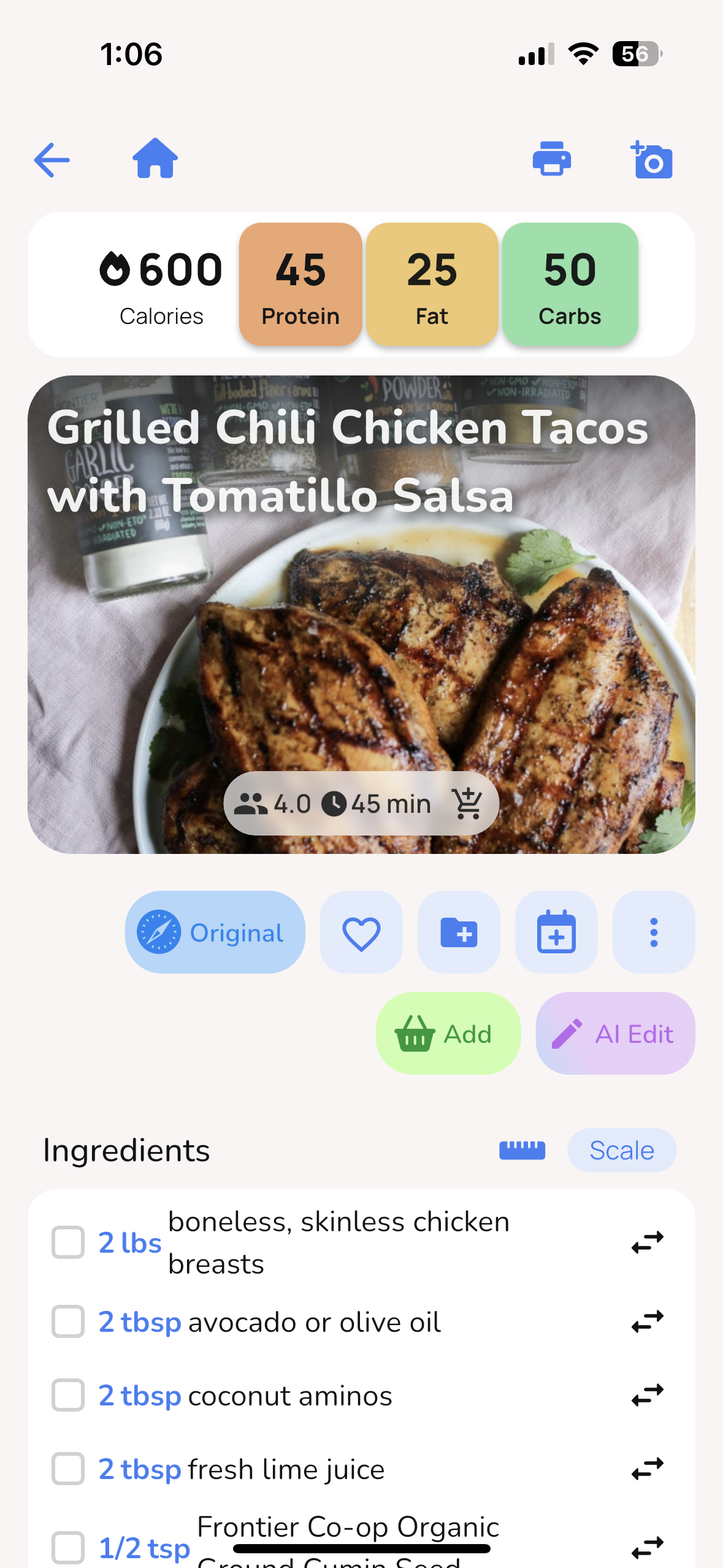
Top 5 Recipe Apps with Allergen Detection
• Updated
Managing food allergies can be stressful, especially when grocery shopping or cooking. Thankfully, allergen detection apps can simplify this process. Here are five standout apps that help you avoid allergens, customize recipes, and streamline meal planning:
- Honeydew Recipe Manager: Features an AI assistant for allergen flagging, recipe customization, and grocery integration with Instacart. Cost: $4.17/month (billed annually).
- Yummly: Filters recipes based on 10 common allergens and dietary preferences. Includes a Virtual Pantry and hands-free cooking. Cost: $2.50/month (billed annually).
- Foodient: Uses AI to scan ingredient labels and menus, supporting over 30 allergies. Offers symptom tracking and tailored recipes. Cost: $44.99/year.
- Fig: Scans barcodes using a traffic light system for over 2,800 dietary restrictions. Ideal for grocery shopping and managing multiple profiles. Free with limited scans; premium options available.
- allergIA: Analyzes recipe text for allergens and suggests safe substitutes. Offers recipe management tools. Cost: $59/year or $6/month.
These apps provide practical tools to make cooking and shopping safer for those with food sensitivities. Below is a quick comparison of their key features.
Quick Comparison
| App | Allergen Detection | Recipe Customization | Shopping Integration | Cost |
|---|---|---|---|---|
| Honeydew | AI allergen flagging | Yes | Instacart | $4.17/month (annual) |
| Yummly | Filters 10 allergens | Yes | Basketful (Instacart, Walmart) | $2.50/month (annual) |
| Foodient | AI photo and barcode scan | Yes | No | $44.99/year |
| Fig | Barcode scanner | Limited | Grocery store integration | Free (limited scans) |
| allergIA | Recipe text analysis | Yes (substitution engine) | No | $59/year or $6/month |
Each app offers unique features tailored to different needs, so choosing the right one depends on your lifestyle and priorities.
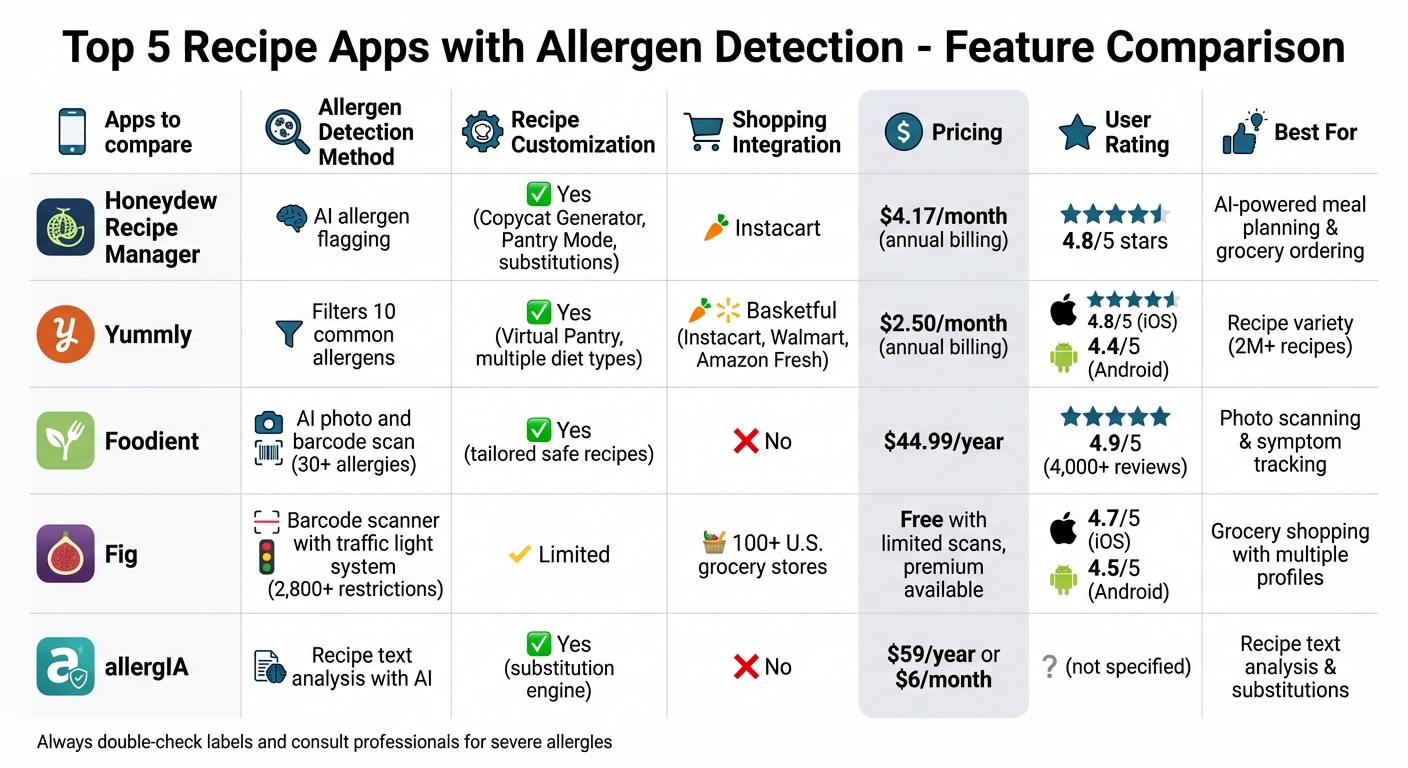
Recipe Apps with Allergen Detection: Feature and Price Comparison Chart
1. Honeydew Recipe Manager
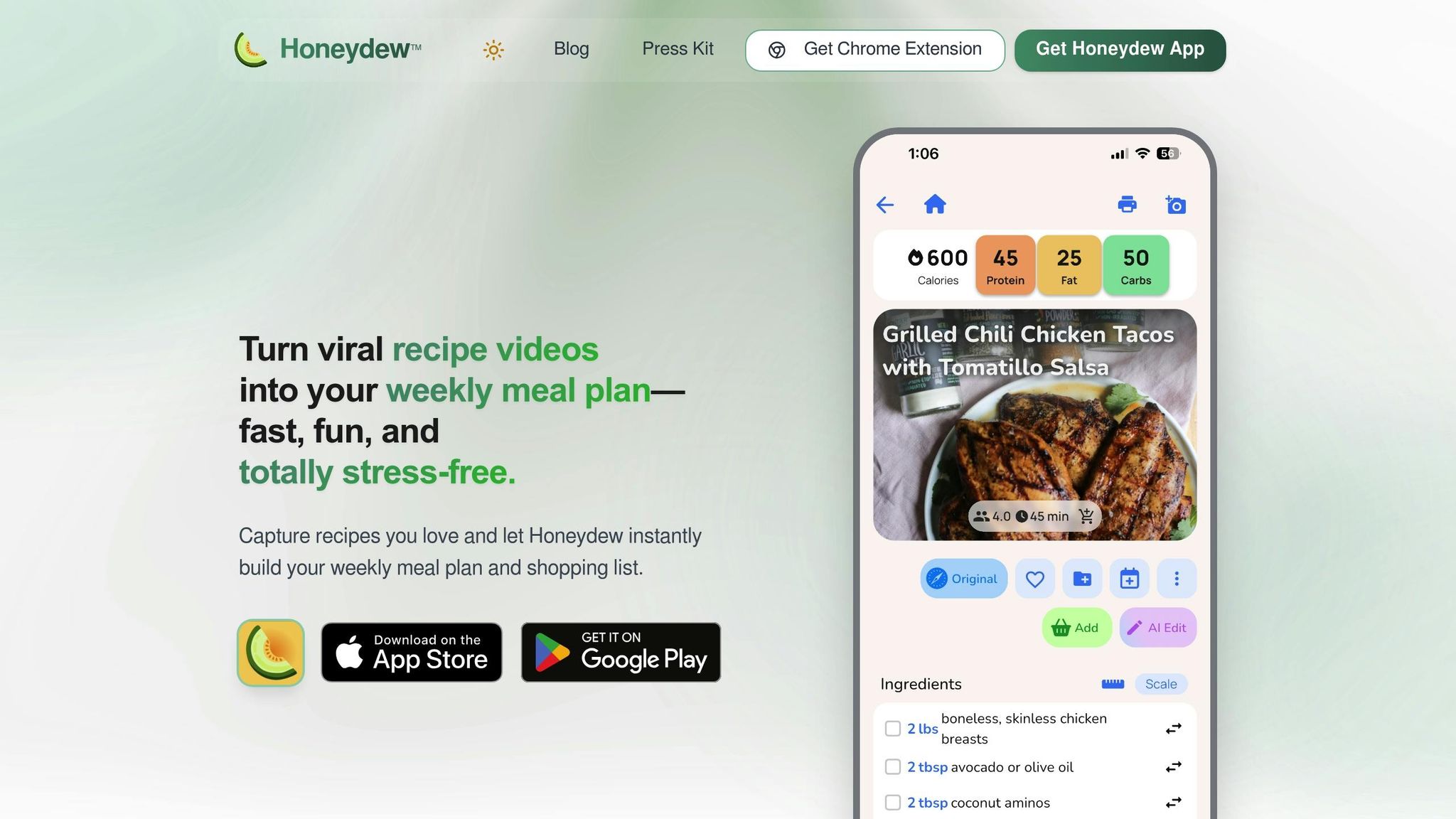
Honeydew Recipe Manager brings a fresh twist to recipe management with its standout feature, the "Ask Honey" AI assistant. This tool lets users flag allergens and tweak recipes on the spot when browsing online, making it easy to align meals with specific dietary needs.
Recipe Customization and Variety
Honeydew goes beyond basic recipe storage by offering tools that make cooking more fun and personalized. With the Copycat Generator, you can recreate your favorite restaurant dishes from just a photo. The Pantry Mode helps you whip up meals using ingredients you already have on hand. Plus, the app includes handy features like measurement conversion, translation for international recipes, and allergen-specific adjustments, giving you full control over your culinary creations.
Integration with Shopping/Grocery Platforms
Shopping for ingredients is a breeze with Honeydew’s direct integration with Instacart. The app auto-sorts your grocery lists, saving you time and effort during your shopping trips.
Additional Features
Honeydew has earned a solid 4.8-star rating on major app platforms. It offers a free plan that supports up to 10 recipe imports, while Honeydew Plus - priced at $4.17/month (billed annually) - provides unlimited storage, ad-free browsing, and multi-member sharing. Users also love the social media import tool and the ability to organize recipes into a digital cookbook. However, some have noted minor glitches with family sharing and AI-generated recipe summaries.
2. Yummly
Yummly helps users navigate over 2 million recipes by tailoring results to their personalized allergen profiles. The app filters for 10 common allergens: dairy, egg, gluten, peanut, seafood, sesame, soy, sulfite, tree nut, and wheat, ensuring a safer cooking experience.
Allergen Detection Capabilities
Yummly simplifies allergen management with user-friendly settings. Under "Dietary Preferences", you can select allergens to exclude from recipe suggestions. These include dairy, egg, gluten, peanut, seafood, sesame, soy, sulfite, tree nut, and wheat. For allergies outside this list, the "Disliked Ingredients" feature allows you to manually add specific exclusions. Paul Berens from The Wellness Way praised the app, saying:
"It makes sticking to their food allergies so much easier when cooking for themselves. That means they get back to being healthier quicker".
Recipe Customization and Variety
Yummly caters to various dietary needs, supporting options like Vegan, Keto, Paleo, Low FODMAP, and Kosher diets. The app’s Virtual Pantry feature uses ingredient recognition to suggest recipes that align with your allergen filters and dietary preferences. With high ratings - 4.8/5 on the Apple App Store and 4.4/5 on Google Play - users appreciate its flexibility and usability.
Integration with Shopping/Grocery Platforms
Yummly works seamlessly with Basketful to connect users to services like Instacart, Amazon Fresh, Shipt, and Walmart. When you select a recipe, the app generates an automated grocery shopping checklist for easy delivery. With 15 million active monthly users, this integration makes weekly meal planning even more convenient.
Additional Features
Yummly offers hands-free cooking assistance with voice commands through "Hey Yummly", letting you navigate recipes step-by-step while cooking. The app is free to download and includes basic features, but premium step-by-step video tutorials are available through a subscription. Additionally, the Yummly Smart Meat Thermometer provides real-time cooking alerts for perfect results every time.
3. Foodient
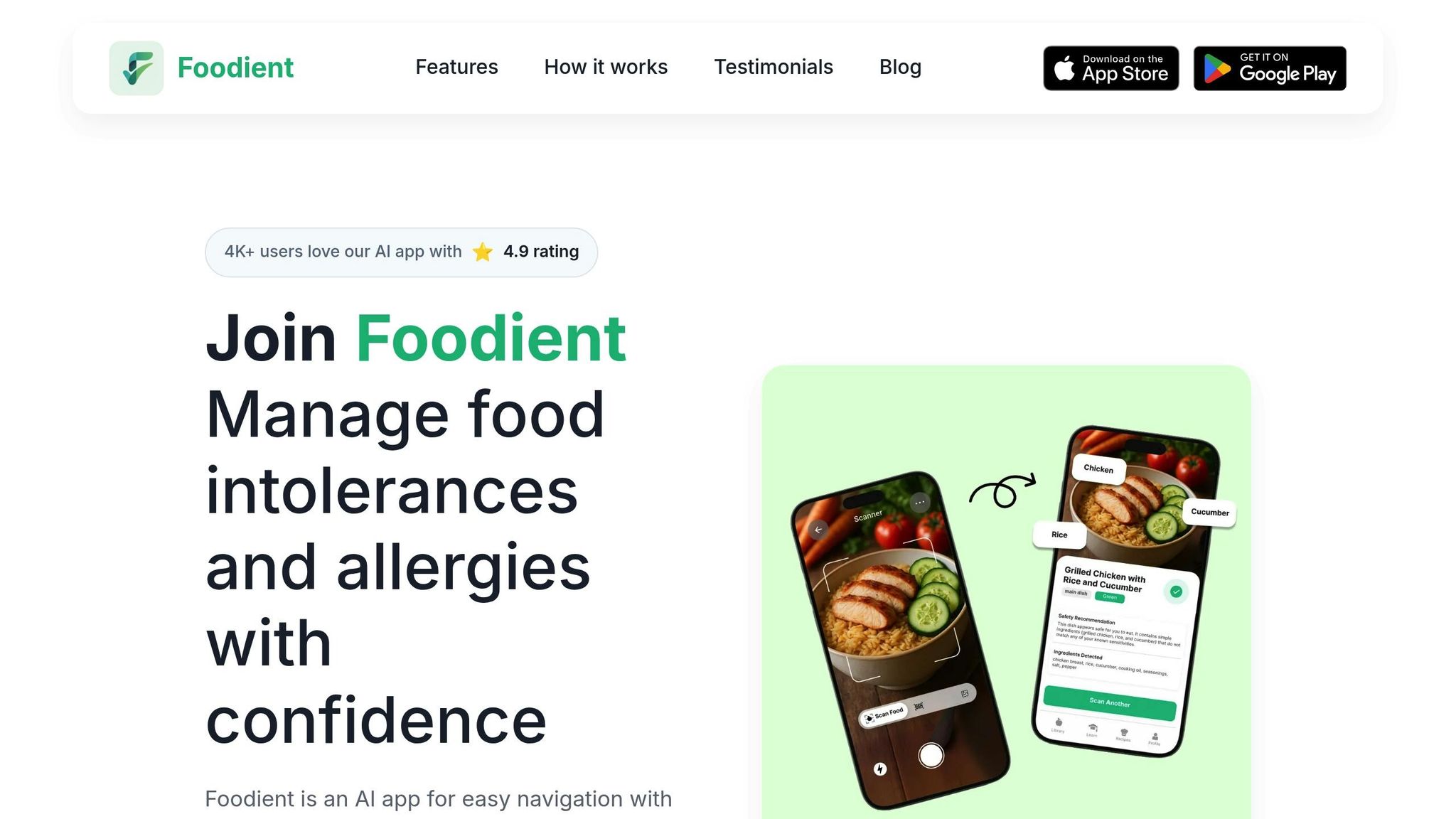
Foodient uses AI-powered photo scanning to evaluate ingredient lists, menus, and meals. It supports over 30 allergies and intolerances - including histamine, lactose, gluten, fructose, and the US Top 9 allergens. You can even adjust sensitivity levels, from mild to severe, to create a highly personalized profile.
Allergen Detection Capabilities
The AI Food Scanner analyzes photos of ingredient labels, menus, or even meals to flag potential allergens. Its barcode scanner provides instant feedback on allergen safety based on your unique profile. Plus, you can add custom notes to fine-tune the analysis. This precise scanning process helps ensure safer food choices and personalized recipe recommendations.
Daniel S. shared his thoughts:
"Easy way to track my intolerances and scan food to see what's safe to eat (without having to remember everything myself)."
Recipe Customization and Variety
The Safe Recipe Discovery feature offers recipes tailored to your needs, excluding any trigger ingredients. Each recipe comes with step-by-step instructions, nutritional info, and photos to guide you.
David S. highlighted this feature:
"The food scans are great and work nice with my intolerances. Generating recipes are a nice touch - I know I can cook and eat the meals because no foods that trigger my intolerances are included!"
Additional Features
Foodient also includes symptom tracking and educational tools like articles and quizzes to help manage conditions such as histamine or fructose intolerance. With a stellar 4.9/5 rating from over 4,000 App Store users, Foodient offers a free plan with limited scans. Premium subscriptions, which provide unlimited scans and full recipe access, start at $44.99 per year.
4. Fig

Fig is a platform designed to cater to a wide range of dietary needs. Its database supports over 2,800 dietary restrictions and ingredients, covering everything from the Top 9 allergens to specific needs like Alpha-Gal, Low FODMAP, and Oral Allergy Syndrome. With 1 million members as of early 2026, Fig has become a go-to resource for those managing complex food sensitivities.
Allergen Detection Capabilities
Fig’s barcode scanner simplifies label reading by identifying ingredients in less than a second. Using a traffic light system - green for safe, yellow for caution, and red for unsafe - it customizes results based on individual dietary needs. This precision is powered by a database of millions of ingredient ratings, reviewed by over 11 expert dietitians. With coverage of more than 300,000 products, Fig helps users identify hidden allergens that might otherwise go unnoticed.
Allegra K., a user, shared her experience:
"Fig has changed my life. Being able to easily scan labels and quickly see if a product is safe for me to eat has been a game changer. I used to cry almost every time I went to the store."
Integration with Shopping and Grocery Platforms
Fig enhances the shopping experience by helping users find safe products at over 100 U.S. grocery stores and restaurant chains. It also allows users to refine searches by store and create shopping lists with safe options.
Additional Features
The app’s "Multiple Figs" feature enables families to manage multiple allergy profiles under a single account. When an unsafe product is scanned, the app suggests safer ingredient alternatives. Fig offers a free version with limited barcode scans, while the premium Fig+ subscription provides unlimited scanning, access to restaurant menus, and advanced family profile options. It has earned a 4.7/5 rating on the Apple App Store and a 4.5/5 rating on Google Play, based on thousands of user reviews.
5. allergIA
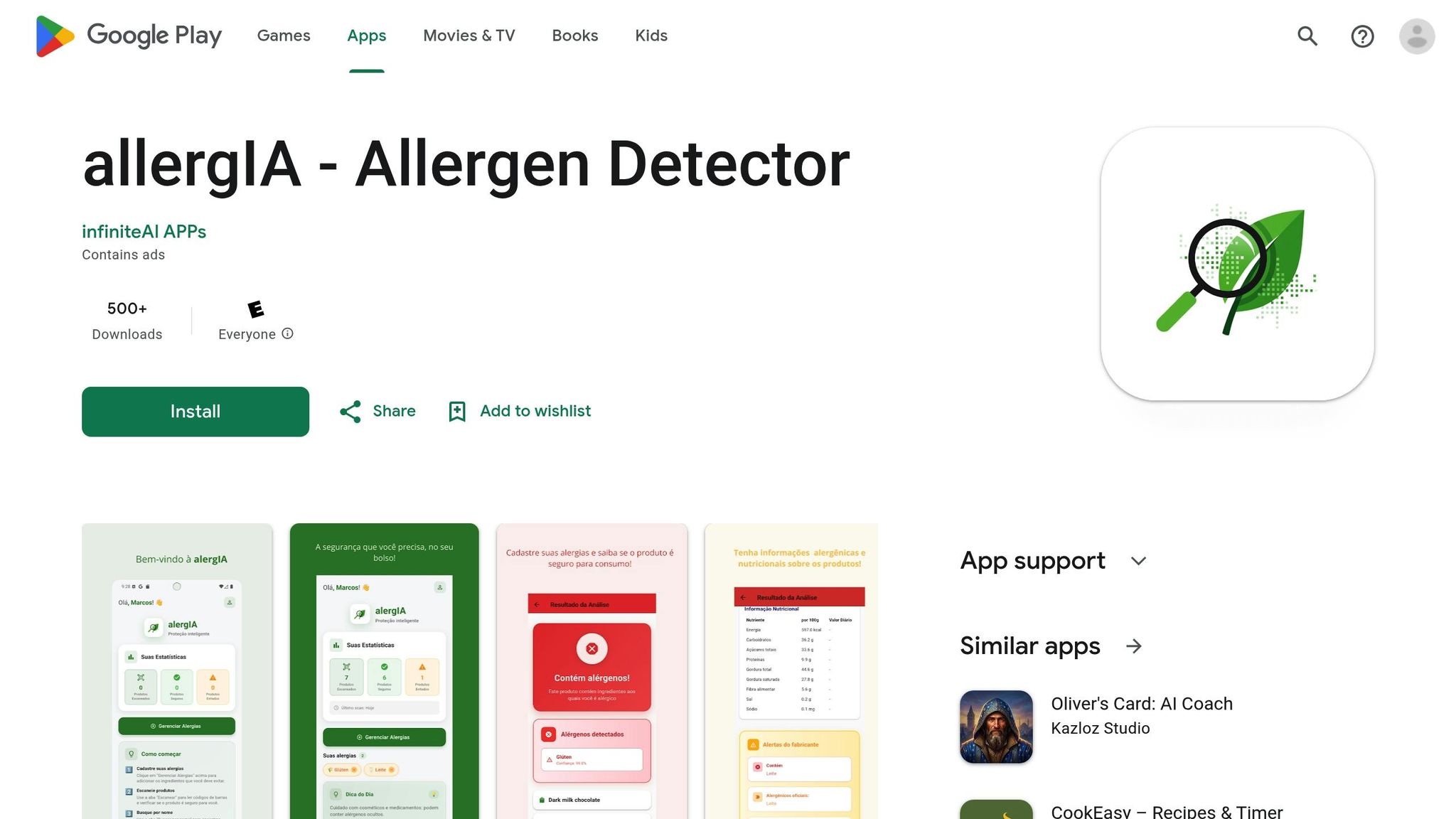
allergIA takes safe cooking to the next level by scanning recipe text against your allergen profile. It uses AI and natural language processing to identify ingredients that might not work for you, making it easier to plan meals without worry. You can find more meal planning insights on our blog.
How It Detects Allergens
The app leverages AI and large language models to pinpoint ingredients that could trigger allergies. Even if allergens are listed under different names, allergIA’s dynamic database keeps up, ensuring it catches potential risks. This makes it a reliable tool for anyone with dietary sensitivities.
Tailoring Recipes to Your Needs
One standout feature is its substitution engine. If an ingredient doesn’t fit your diet, the app flags it and suggests safe replacements. This means you can tweak your favorite recipes instead of giving them up entirely.
More Than Just Detection
allergIA goes beyond identifying allergens. It offers tools to manage your recipes - whether it’s creating, editing, or sharing safe dishes. It’s like having a personal assistant for your kitchen, focused on keeping meals both safe and delicious.
Conclusion
Choosing the right allergen detection app depends on your lifestyle and needs. If you're looking for a tool that combines AI-powered ingredient substitutions, meal planning, and grocery ordering, Honeydew Recipe Manager is a strong option. Its Instacart integration and ability to import recipes from social media make it especially convenient. For those who love exploring recipes, Yummly offers access to over 2 million recipes with detailed allergen filtering, perfect for home cooks seeking variety.
If grocery shopping is your main concern, Fig is a great choice with its barcode scanner and advanced customization for multiple dietary needs. Meanwhile, allergIA shines with its AI-powered substitution engine, helping you spot allergens and find safe alternatives for your favorite recipes.
Beyond allergen detection, these apps provide peace of mind by reducing the stress of constant label-checking. As Emily R., a user with a peanut allergy, puts it:
"I quickly scan snacks and feel more confident about what I'm eating".
This confidence can transform your daily routine, whether you're planning meals or navigating the grocery store.
Each app comes with its own pricing structure. Honeydew Plus offers unlimited features for $4.17/month, allergIA costs $6/month or $59/year, Yummly is priced at $2.50/month when billed annually, and Fig includes five free scans monthly before requiring a subscription. Whether you need full access for daily use or prefer free options for occasional help, there's a plan to match your needs.
While these tools are incredibly helpful, always double-check labels and consult professionals for managing severe allergies.
FAQs
How accurate is allergen detection in recipe and barcode-scanning apps?
The reliability of allergen detection in recipe and barcode-scanning apps can differ significantly. While AI-driven tools often deliver results with high confidence and offer detailed explanations, they aren't foolproof. False positives and occasional uncertainties may arise, especially when relying on backup methods like barcode scans or image recognition. To stay safe, it's always wise to double-check ingredient lists yourself.
What should I do if an app doesn’t cover my specific allergy or sensitivity?
If an app doesn’t completely meet your needs for managing allergies or sensitivities, there are ways to make it work better for you. Features like ingredient substitutions or personalized filters can help you tweak recipes to fit your requirements. You can also import recipes from social media and adjust the ingredients yourself to avoid allergens.
For extra guidance, consider reaching out to a healthcare provider or dietitian. They can help you create meal plans tailored to your specific needs. Combining the app’s tools with manual adjustments ensures you’re covering all bases when it comes to your dietary health.
Can these apps help prevent cross-contamination, or only flag ingredients?
These apps work by scanning barcodes, images, or text to identify ingredients and flag potential allergens. Many go a step further by offering features like ingredient analysis and allergen severity indicators, which can pinpoint traces of allergens and help minimize the risk of cross-contamination.