How Smart Apps Manage Cooking Energy Automatically
• Updated
Smart cooking apps are transforming kitchens by making energy use more efficient, precise, and cost-effective. These apps use AI, sensors, and real-time data to maintain steady temperatures, predict cooking times, and monitor energy consumption. This means better meals, less waste, and lower energy bills.
Key Takeaways:
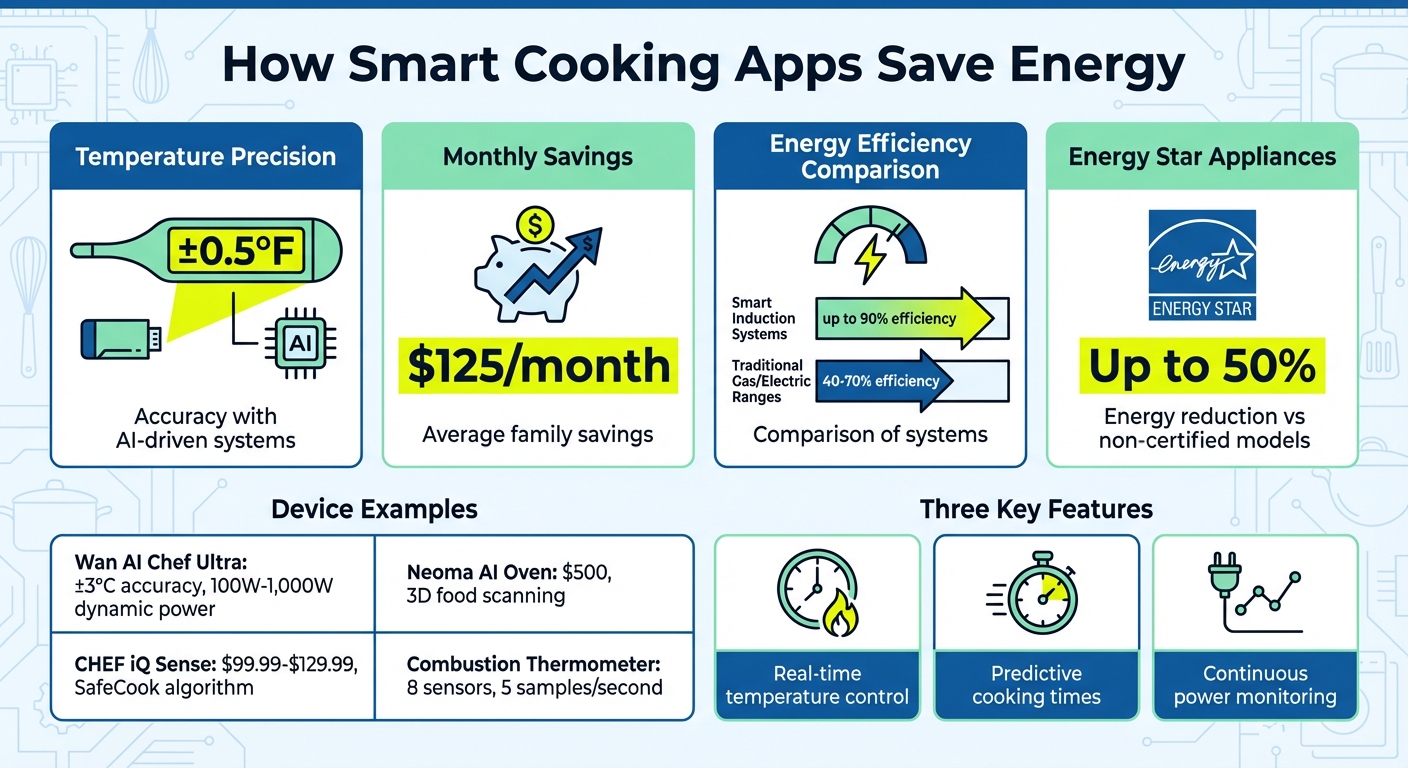
- Temperature Control: AI-driven systems maintain accuracy within ±0.5°F, ensuring perfect cooking results.
- Energy Savings: Families save an average of $125/month by reducing waste with AI meal planning and optimizing routines.
- Predictive Cooking: Apps calculate exact cooking times and adjust heat dynamically for efficiency.
- IoT Integration: Smart apps sync with appliances to automate cooking and track energy use.
Want to reduce energy waste while improving your cooking results? These apps might be the solution.
Smart Cooking Apps Energy Savings and Efficiency Statistics
The Future of Home Technology Ep.5 | Smart Cooking and the Connected Kitchen
How Smart Apps Manage Cooking Energy
Smart apps are changing the way we cook by focusing on three key areas: real-time temperature control, accurate cooking time predictions, and ongoing power monitoring. By using advanced sensors and AI algorithms, these systems remove the guesswork that often leads to wasted energy. Together, these features ensure consistent and energy-efficient cooking.
AI-Driven Temperature Adjustments
Smart cooking systems rely on visual and thermal data to fine-tune heat levels. For example, the Wan AI Chef Ultra, launched in August 2024, uses an NVIDIA Jetson Orin Nano processor paired with a Heimann Infrared Sensor to maintain a temperature accuracy of ±3°C (±5.4°F). Its power output adjusts dynamically between 100W and 1,000W based on the type of ingredients detected. This innovation earned it the prestigious AWE 2025 Gold Innovation Prize.
On the other hand, the Neoma AI Countertop Oven, introduced on Kickstarter in February 2026 for $500, employs a different strategy. Its Vera AI system uses built-in cameras for 3D food scanning, analyzing thickness and moisture levels to adapt heat in real time. According to Brisk It, this technology continuously modifies heat settings to respond to changes as they happen, avoiding the need for prolonged high-heat exposure.
Predictive Cooking Times
AI algorithms also shine in calculating precise cooking times by modeling heat dynamics and evaporative cooling. The Combustion Predictive Thermometer, for instance, uses eight sensors that sample data five times per second. Its Physics-based Prediction Engine™ analyzes this information to accurately predict when your food will be ready.
The SafeCook algorithm, found in devices like the CHEF iQ Sense (priced between $99.99 and $129.99), demonstrates how predictive timing can save energy. Instead of cooking chicken to the standard 165°F, it calculates that holding the meat at 150°F for three minutes meets USDA safety standards while using less energy and delivering juicier results.
These predictive features work hand-in-hand with continuous energy monitoring to further optimize performance.
Real-Time Energy Monitoring
Integrated sensors in smart cooking systems closely track power usage throughout the process, identifying inefficiencies. For instance, smart induction systems achieve up to 90% energy efficiency, compared to the 40–70% efficiency of traditional gas or electric ranges. This is possible because they make micro-adjustments to match heat output precisely to cooking needs, avoiding the on-off cycling of traditional settings.
Even for households using older appliances, tools like smart plugs and circuit monitors can provide valuable insights into real-time energy consumption. These gadgets help identify energy-draining devices and encourage more smart meal planning and efficient cooking habits.
Integration with Smart Kitchen Appliances
Smart cooking apps are taking energy-controlled cooking to the next level by working hand-in-hand with modern kitchen appliances to improve efficiency and precision.
Dynamic Appliance Control
Using Wi-Fi for larger appliances and Bluetooth for smaller tools, these apps can now send detailed instructions - like temperature settings, cooking modes, and timing - directly to appliances. Platforms and protocols such as Matter make this communication seamless, reducing energy waste caused by human error or extended cooking times.
Some apps go even further by automating adjustments based on real-time data. Advanced thermal and moisture sensors, for example, allow appliances to fine-tune heat levels and cooking modes. Features like "Automatic Sensing Phases" enable appliances to detect food size and quantity, then tailor the cooking process accordingly. A standout example is the SmarterView IoT platform, which recently demonstrated how these technologies can deliver significant annual energy savings through load-balancing audits. This kind of integration doesn’t just save energy - it also highlights the broader potential of IoT in the kitchen.
Benefits of IoT Connectivity
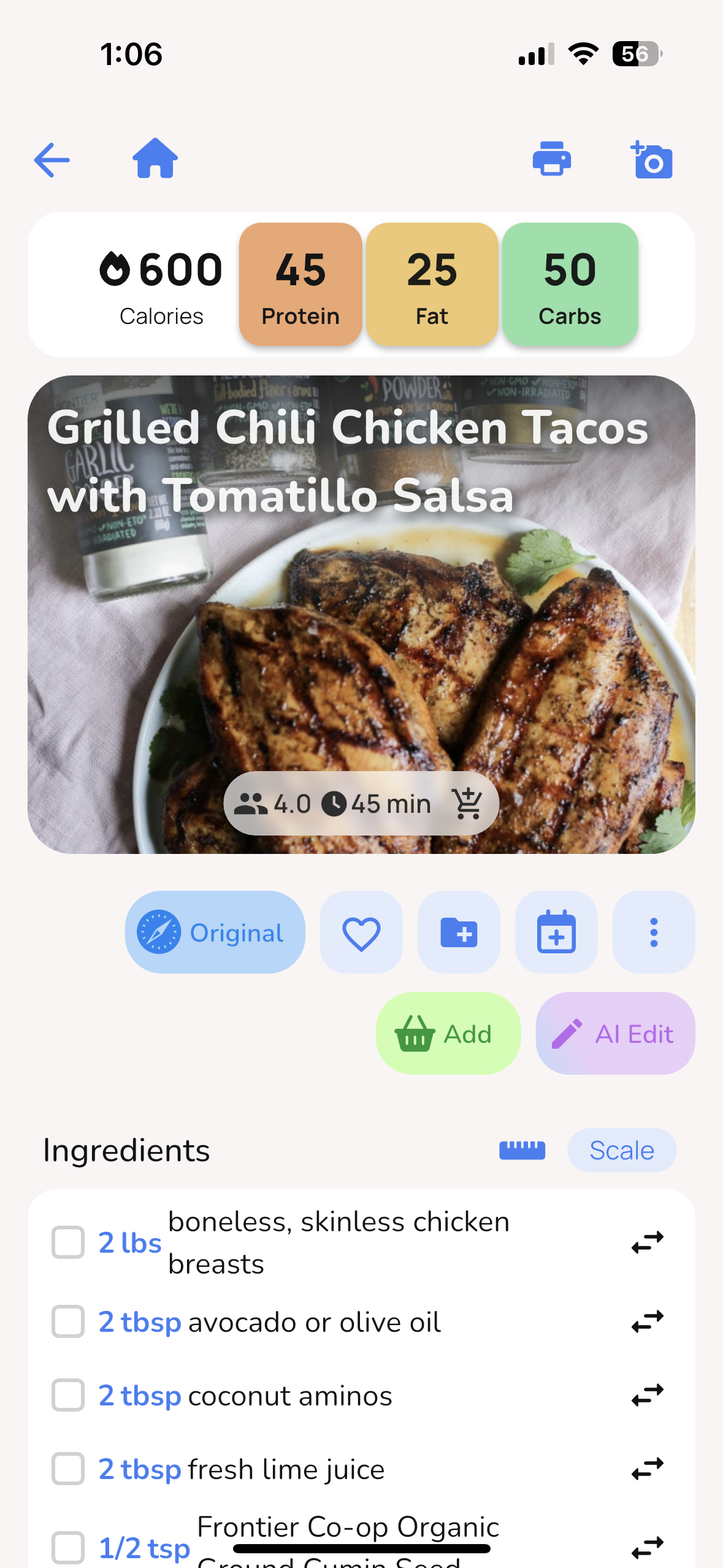
By connecting apps to smart appliances, households can enjoy clear energy savings and convenience. For instance, the Honeydew Recipe Manager uses IoT integration to simplify meal planning while promoting energy-efficient cooking practices. Energy Star-rated smart appliances can cut energy use by up to 50% compared to non-certified models, and smart ovens achieve precise temperature control within 0.5°F.
IoT connectivity also opens the door to predictive maintenance, where appliances monitor their own performance and notify users of potential issues - like filter replacements or firmware updates - before they lead to increased energy usage. Keeping firmware updated ensures appliances benefit from the latest energy-saving algorithms. For kitchens with devices from different brands, tools like Fresco or Innit act as cross-platform assistants, allowing users to manage their entire kitchen from a single app, streamlining both energy use and overall functionality.
Energy-Saving Features in Honeydew Recipe Manager
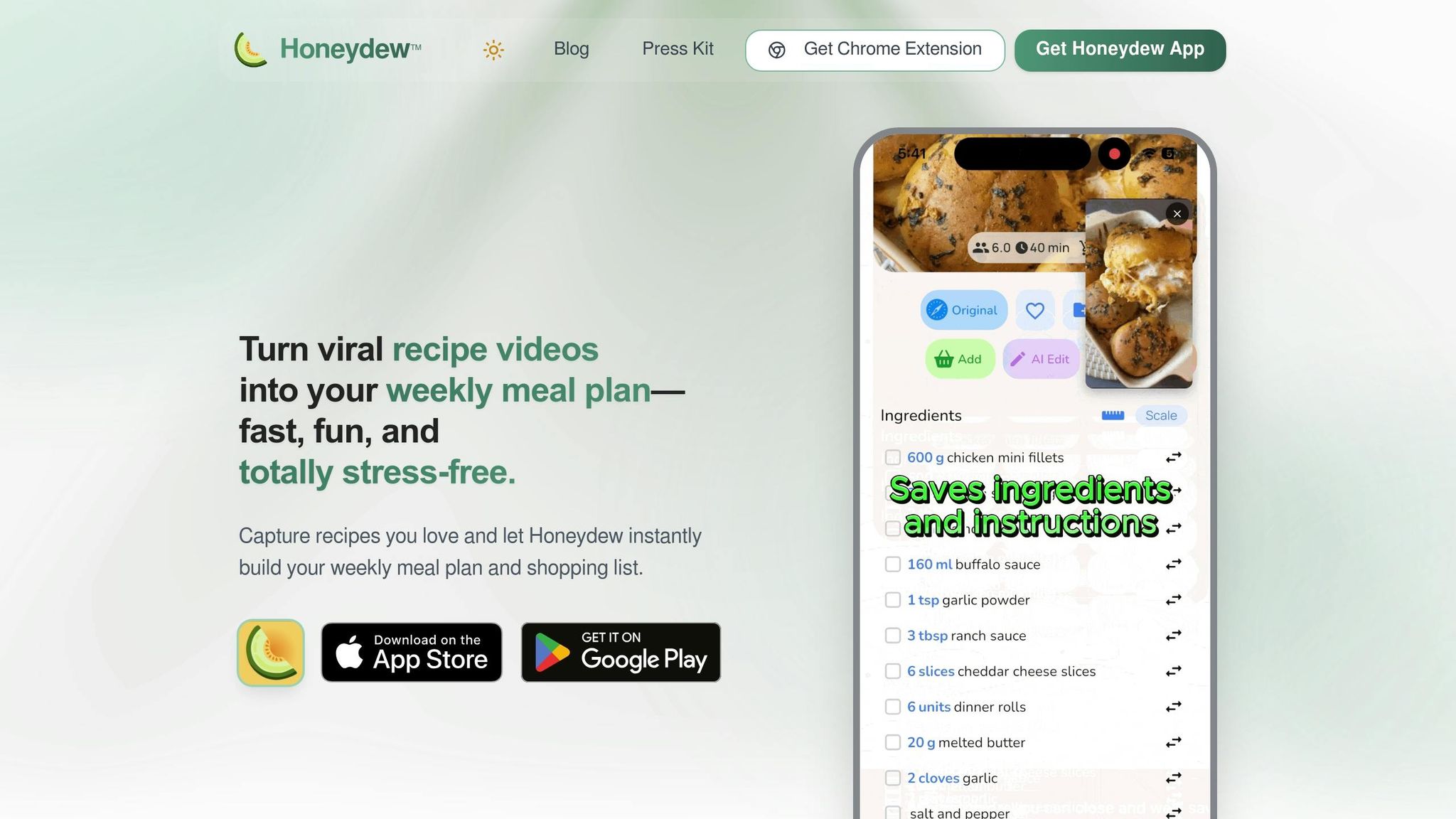
The Honeydew Recipe Manager doesn’t just help with meal planning - it also brings smart energy-saving solutions to your kitchen. By combining IoT connectivity with thoughtful design, it helps streamline cooking while reducing energy use.
Smart Serving Size Scaling
One standout feature is Smart Serving Size Scaling, which tailors ingredient quantities based on your desired portions. This not only cuts down on food waste but also reduces how much energy your appliances need. By using precise measurements, Honeydew ensures you're cooking efficiently without overusing resources.
AI Cooking Assistance
The app’s AI cooking assistant takes it a step further. It provides real-time guidance to help you cook more efficiently, avoiding unnecessary energy consumption from prolonged appliance use. It’s like having a virtual sous chef that helps you save energy while preparing meals.
Offline Access for Efficiency
Even when you’re offline, Honeydew keeps things running smoothly. You can access recipes without an internet connection, and its "screen stays on while cooking" feature prevents interruptions. This thoughtful design not only saves time but also helps conserve energy. With a stellar 4.8/5 user rating, it’s clear that these features are making a difference in creating a smarter, more efficient cooking experience.
Conclusion
Smart cooking apps are reshaping how households approach energy use in the kitchen. By using AI to adjust temperatures and monitor energy in real time, these tools make cooking more efficient while cutting down on waste.
"Home cooking is no longer focused on just getting dinner on the table. It is about precision, cultural connection, and smart tools that help every cook achieve professional‑quality results without wasted time or an extra mess" - Stephen Svajian, Co-Founder and CEO of Anova Culinary
Smart appliances take this a step further by syncing with AI-driven ovens to maintain precise temperatures, reducing energy waste. These devices enable automated cooking processes, requiring little to no oversight.
Take Honeydew Recipe Manager, for example. It simplifies energy-efficient cooking with features like AI meal planning and ingredient prep, smart serving size adjustments, AI cooking guidance, and offline functionality. The app keeps your screen active while you cook, ensuring fewer interruptions and smoother meal prep.
FAQs
Do I need smart appliances to save energy?
No, smart appliances aren't a must for saving energy, but they can make a big difference in how efficiently energy is used. With features like automatic adjustments and real-time monitoring, these appliances can fine-tune settings - like temperature and humidity - to ensure consistent performance while cutting down on energy consumption. Tools powered by AI take this a step further, simplifying the process and delivering these perks with minimal effort.
How does AI prevent overcooking and wasted power?
AI is transforming the way we cook by fine-tuning cooking times and temperatures automatically. It observes how ingredients react during the process and adjusts settings accordingly. When paired with smart appliances, this approach not only ensures perfectly cooked meals but also helps cut down on energy consumption.
Will these apps work if my Wi‑Fi goes out?
Apps like these often rely heavily on internet access to function as intended. Features such as recipe updates, real-time energy tracking, and syncing data typically depend on a stable Wi‑Fi connection. For the best experience and full access to all features, it's a good idea to ensure your internet connection is reliable.