Top Trends in Vegan Fusion Cuisine 2026
• Updated
Vegan fusion cuisine in 2026 is all about bold flavors, global influences, and a focus on health. Here's what you need to know:
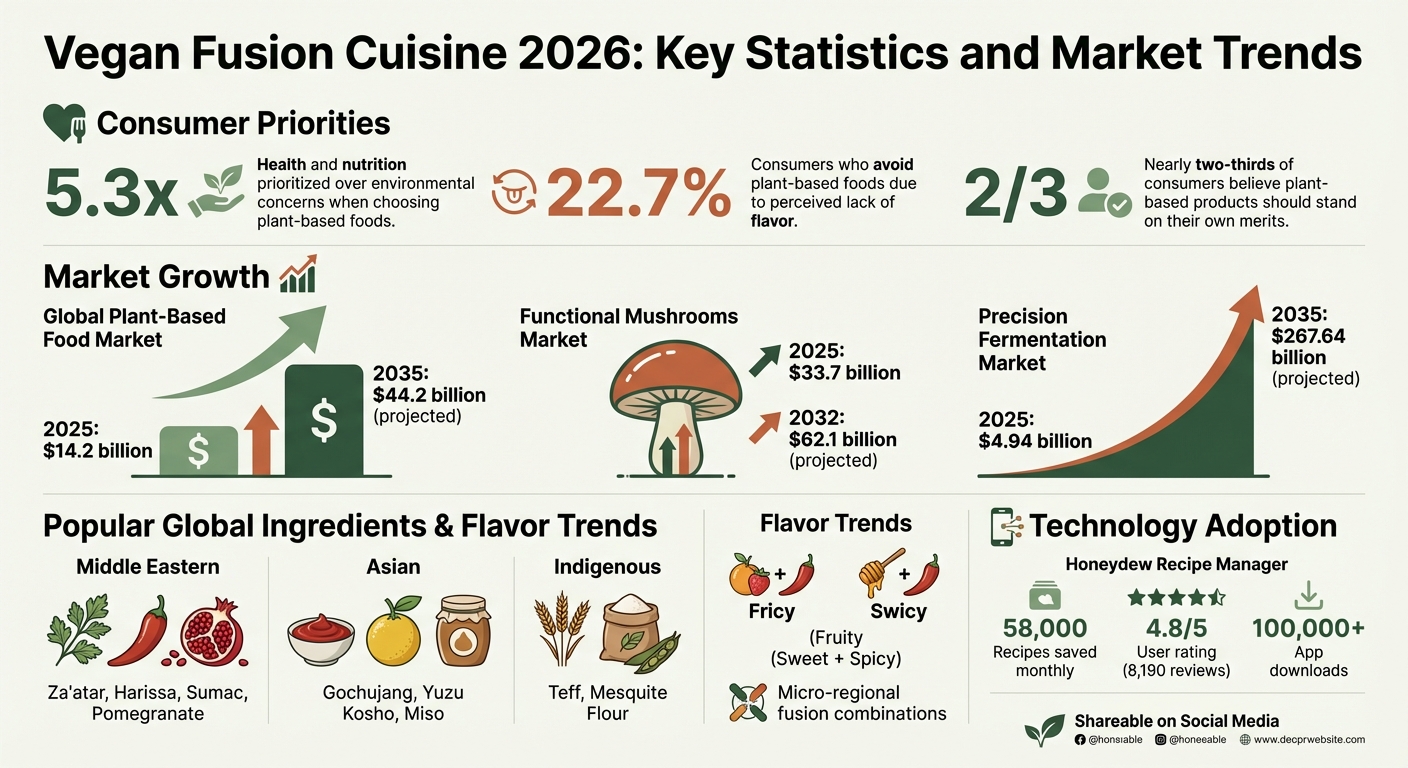
- Health over environment: Consumers prioritize nutrition 5.3 times more than ecological concerns when choosing plant-based foods.
- Ingredient-driven meals: Whole foods like mushrooms, tempeh, and tofu are replacing ultra-processed meat substitutes.
- Global pantry staples: Items like za'atar, gochujang, and yuzu kosho are now common in American kitchens.
- Flavor mashups: Popular combinations include fruity-spicy ("fricy") and micro-regional pairings, such as Oaxacan and Southern Thai influences.
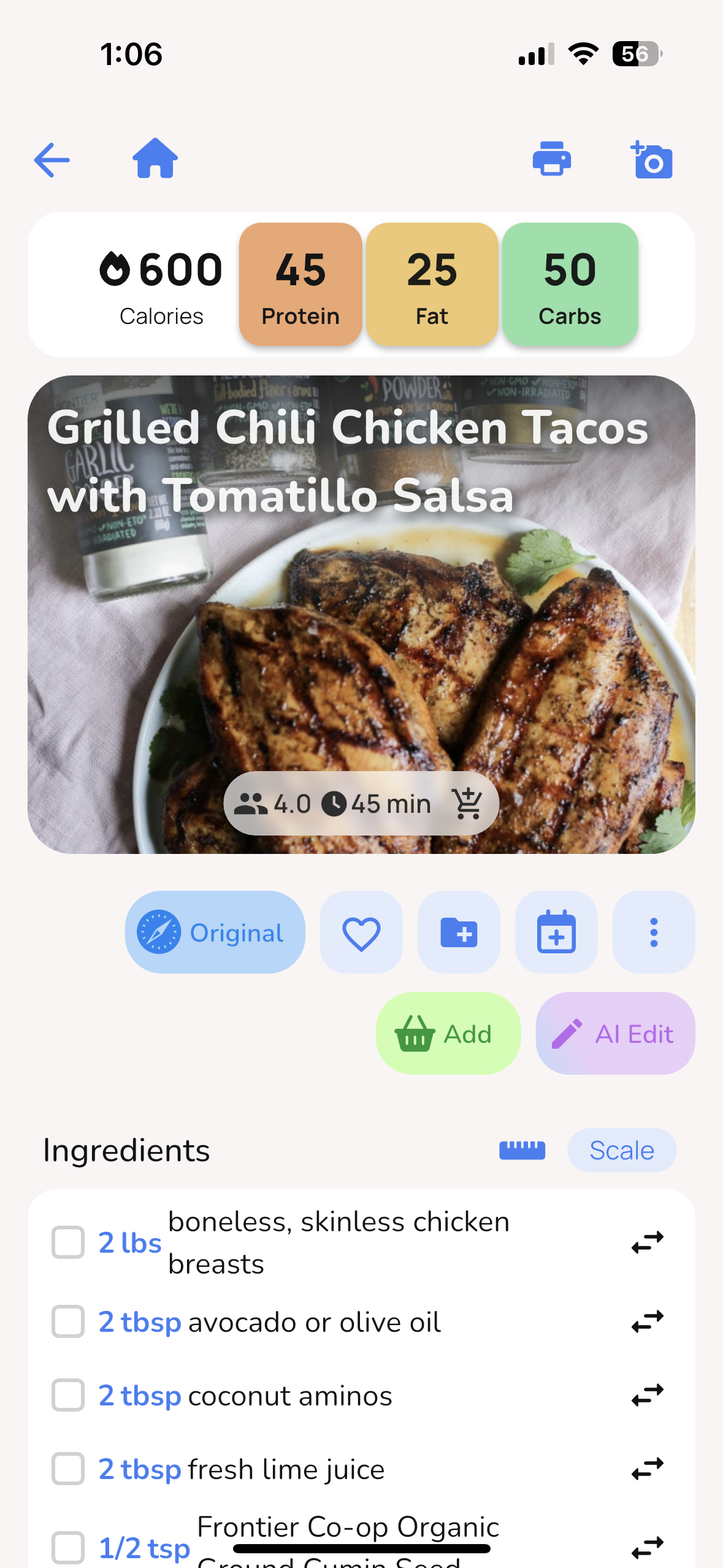
- Tech in cooking: Tools like Honeydew Recipe Manager simplify discovering and cooking vegan fusion dishes, offering features like AI ingredient swaps, recipe translation, and meal planning.
This culinary shift reflects growing interest in nutrient-packed, globally inspired dishes that balance bold tastes with simplicity.
Vegan Fusion Cuisine 2026: Key Statistics and Market Trends
1. Vegan Fusion Cuisine Trends 2026
Trend Accessibility
Ingredients once considered exotic are now pantry staples in many American homes. Middle Eastern essentials like sumac, za'atar, and harissa have joined Korean gochujang and Japanese yuzu kosho on grocery store shelves. Retailers such as Trader Joe's are making it even easier for home cooks to experiment with fusion dishes by offering frozen options like vegan kimbap, tikka masala, and Thai green curry. As Suzy Badaracco, President of Culinary Tides Inc., notes:
"Middle Eastern flavors... align with the 2026 desire for calm, sensual flavor experiences. Its ingredients, including harissa, pomegranate, pistachio, labneh, and za'atar, are versatile, recognizable, and easy to integrate".
Functional mushrooms are also playing a key role in this trend. Known for their umami depth, they are increasingly used in fusion recipes. The market for these mushrooms, valued at $33.7 billion in 2025, is projected to grow to $62.1 billion by 2032.
Recipe Adaptability
What keeps these fusion trends appealing is their ability to adapt to beloved American comfort foods. Picture dishes like miso mac and cheese, hummus pasta, or hoisin tofu tacos - familiar formats infused with international flavors. This approach makes trying out global tastes less intimidating for home cooks.
There's also a noticeable move toward whole-food ingredients as opposed to heavily processed meat substitutes. In 2026, the UK-based chain Wagamama introduced a menu featuring mushrooms, tempeh, and tofu as the main proteins. This shift aligns with consumer preferences: 22.7% of people avoid plant-based foods due to a perceived lack of flavor. By focusing on naturally flavorful ingredients, chefs are moving away from synthetic alternatives.
Cultural Fusion Depth
Fusion cuisine is evolving beyond broad pairings like "Asian-Mexican." The focus in 2026 is on micro-regional combinations, such as blending Oaxacan techniques with Southern Thai flavors or applying Hokkaido methods to Nordic ingredients. This "Fusion 3.0" approach delivers more nuanced and authentic culinary experiences.
Another emerging movement is Indigenous Futurism, which brings native food traditions into the modern culinary world. Māori Chef Niki Nepia explains:
"Indigenous futurism in cuisine isn't about preserving traditions in amber - it's about evolving them on our own terms".
This concept includes incorporating drought-resistant grains like Ethiopian teff or Native American mesquite flour into cross-cultural recipes, addressing both environmental concerns and cultural heritage.
Practical Usability
The preference for "clean labels" is making fusion recipes more accessible for everyday cooking. Home cooks are gravitating toward simple, recognizable ingredients like lentils, chickpeas, and root vegetables instead of complex meat analogs . This trend reflects a growing emphasis on health and simplicity.
Adding to this accessibility is the rise of "fricy" flavors - a combination of fruity and spicy notes. These bold profiles show up in dishes like Korean-Mexican or Middle Eastern-Italian mashups, offering exciting tastes without requiring advanced culinary skills. Nemanja Golubovic, Founder of Kale My Name, emphasizes:
"The restaurants that survive and thrive will be the ones that adapt, build community, and offer something beyond what people can get everywhere else".
This principle applies just as much to home kitchens, where fusion cooking continues to grow in popularity.
2. Honeydew Recipe Manager

Trend Accessibility
Honeydew Recipe Manager is making waves in the world of fusion cuisine by simplifying how users discover and adapt recipes. The app allows you to tap into viral vegan fusion trends with ease, offering one-tap imports from platforms like TikTok, Instagram Reels, YouTube, and Facebook Reels. When you spot a recipe you love, Honeydew’s AI steps in, pulling out all the details and even creating a shopping list on the spot. With users saving around 58,000 recipes every month and an impressive 4.8/5 star rating from 8,190 reviews on the Google Play Store, it’s clear that this app has become a go-to for exploring the latest fusion creations.
Recipe Adaptability
Fusion cooking often comes with its own set of challenges, especially when certain ingredients aren’t readily available. Honeydew’s Smart Substitution feature takes care of that by suggesting plant-based alternatives tailored to your dietary needs, allergies, or even what’s already in your pantry. As one user, Emily C., shares:
"The ingredient substitution feature is a game-changer for my dietary restrictions. I can adapt any recipe easily!"
But that’s not all. The app also offers a Copycat Recipe Generator, which lets you snap a photo of a restaurant dish and get an AI-generated version you can recreate at home. Whether it’s a trendy fusion bowl or a unique vegan dessert, Honeydew makes it easy to bring these dishes to your own kitchen.
Cultural Fusion Depth
For those who love experimenting with international flavors, Honeydew’s Cookbook Translator is a standout feature. With support for nine languages, including Arabic, Hindi, and Simplified Chinese, it breaks down language barriers so you can explore recipes from across the globe with just one tap. Lisa H. sums it up perfectly:
"Honeydew's recipe translation feature lets me try recipes from around the world. It's like having a personal chef!"
This tool not only encourages culinary exploration but also helps you confidently blend flavors from different cultures into your vegan fusion dishes.
Practical Usability
Honeydew doesn’t just help you find and adapt recipes - it also makes cooking them easier. Its Pantry Mode lets you snap a photo of your ingredients and generates recipe ideas based on what you have on hand. Other handy features, like keeping your screen active while cooking, offline access, and the ability to scale serving sizes between Imperial and Metric measurements, make the app incredibly user-friendly. Plus, for households, the app’s sharing feature syncs meal plans and grocery lists for up to six members, making it perfect for families. These tools make tackling even the most complex fusion recipes straightforward, supporting the growing interest in creative vegan cuisine as we move into 2026.
Pros and Cons
The vegan fusion movement in 2026 presents both exciting opportunities and notable challenges. On the positive side, plant-based options have moved from being a niche market to becoming a mainstream choice. This shift includes the emergence of "affordable better" products made with local superfoods like walnuts and flaxseeds. At the same time, advanced technologies like precision fermentation are making waves, with the market expected to grow from $4.94 billion in 2025 to a staggering $267.64 billion by 2035. However, challenges remain, such as regulatory hurdles like the EU's proposed ban on meat-related naming conventions, which could confuse or deter everyday consumers from embracing these products.
Technological innovations are also reshaping the culinary landscape. AI-assisted recipe development and the rise of "quietly hybrid" products have made it easier for flexitarians to enjoy plant-based meals. But as ultra-processed imitation meats fall out of favor, chefs are being pushed to rely on their culinary expertise to bring out the best in whole, plant-based ingredients. Chef Constantine "Dino" Kolitsas of Greca Mediterranean Kitchen + Bar puts it bluntly:
"Chefs that rely on a processed approach to vegan dishes either lack the knowledge or creativity to serve the vegan community".
Another critical aspect of vegan fusion is maintaining cultural authenticity. In 2026, there’s a growing emphasis on using heritage ingredients like legumes and grains while honoring naturally vegan traditions from around the world. However, this focus comes with risks. For instance, some brands misuse cultural terms like "regenerative" without proper standardization, and others rely on chemically processed vegetables that clash with traditional culinary values. Nearly two-thirds of consumers believe plant-based products should stand on their own, further highlighting the need for thoughtful and respectful approaches to recipe creation.
Tools like Honeydew Recipe Manager are stepping in to address some of these challenges. This app offers smart ingredient substitutions for hard-to-find fusion components, translates international recipes to maintain cultural integrity, and even generates recipes based on pantry photos to help reduce food waste.
In 2026, vegan fusion trends bring unprecedented variety and acceptance into the mainstream. However, they also demand greater culinary skill, transparency, and respect for cultural traditions. Tools like Honeydew Recipe Manager are making it easier for home cooks to navigate these complexities while embracing the movement’s possibilities.
Conclusion
Vegan fusion cuisine in 2026 has evolved far beyond simple meat replacements. It now thrives on ingredient-driven creativity, showcasing whole, nutrient-packed components in dishes like multi-course degustations, Korean-inspired bulgogi, and Middle Eastern spice blends such as za'atar and harissa.
The growing popularity of plant-based dining reflects this shift. The global plant-based food market is expected to expand from $14.2 billion in 2025 to $44.2 billion by 2035. Interestingly, health and nutrition are now prioritized 5.3 times more by consumers than environmental concerns, leading home cooks to seek bold flavors paired with clear nutritional benefits. The challenge lies in blending cultural authenticity with experimentation, such as sweet-and-spicy ("swicy") flavor combinations and functional ingredients like adaptogens.
Technology is also playing a key role in this culinary revolution. Honeydew Recipe Manager simplifies the process of importing, translating, and adapting recipes for vegan fusion cooking. Its copycat recipe generator allows users to recreate fusion dishes at home. This seamless integration of tech and culinary exploration captures the forward-thinking essence of vegan fusion cuisine in 2026.
Emma Gregory, Category Development Manager at Vegetarian Express, sums it up perfectly:
"Plant-forward cooking isn't a trend anymore - it's the future of flavour".
From experimenting with precision fermentation techniques to incorporating functional mushrooms - valued at $33.7 billion in 2025 - or even adding Korean mochi cakes to your weekly meals, the possibilities are endless. Honeydew makes it easy to explore these trends by importing recipes from social media, organizing them by flavor profile, and handling meal planning and grocery lists.
With over 100,000 downloads and a 4.8/5-star rating, Honeydew users save around 58,000 recipes each month. This makes global plant-based cuisine more accessible and exciting than ever.
FAQs
How can I start vegan fusion cooking without buying lots of specialty items?
Dive into vegan fusion cooking by blending familiar ingredients and flavors from various cuisines using everyday pantry staples. Start with versatile combinations of herbs, spices, and condiments to create exciting flavor profiles. Simple cooking methods like sautéing or braising are great for exploring new tastes without overcomplicating the process.
To make things easier, use recipe apps to tweak dishes with ingredient swaps. This lets you craft creative meals with what’s already in your kitchen, helping you save money and skip unnecessary specialty items.
What whole-food proteins are best for fusion dishes instead of fake meat?
Whole-food proteins such as beans, lentils, chickpeas, tofu, and seeds are perfect for creating fusion dishes. Packed with protein and fiber, these ingredients bring both nutrition and flexibility to the table. Their ability to pair seamlessly with a variety of cooking methods and spice combinations makes them a fantastic option for experimenting with flavors from different cuisines. Plus, they serve as a wholesome alternative to processed meat substitutes.
How can I keep fusion recipes respectful to the cultures they draw from?
Creating fusion recipes that truly honor their origins requires a thoughtful and respectful approach. Start by understanding the history and cultural significance behind the ingredients, techniques, and flavors you're working with. Instead of relying on clichés or stereotypical pairings, aim to preserve the essence of each cuisine. The goal is to create dishes that balance flavors while respecting the identity of the traditions that inspire them. By celebrating the rich stories and heritage behind these cuisines, fusion cooking can bring something fresh to the table without losing sight of its roots.